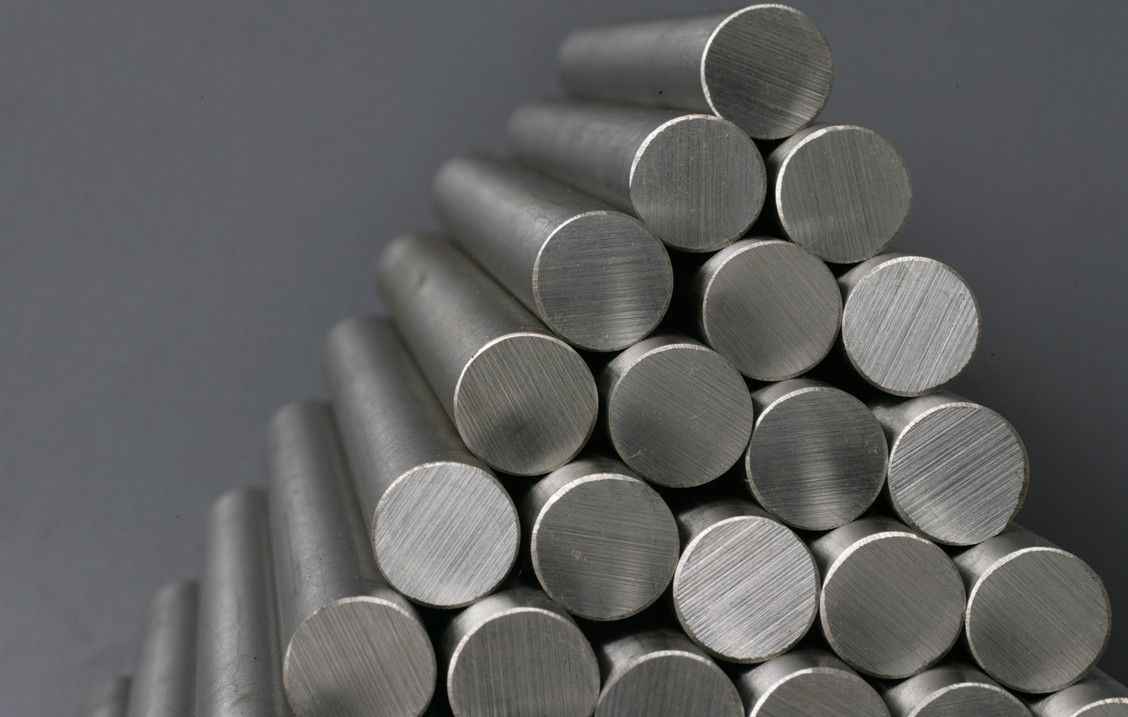
EN31 steel should be used for applications requiring high hardness, wear resistance, and fatigue strength such as bearings, shafts, and precision components. It should be avoided in applications requiring high impact resistance, welding, or cost efficiency.
1. High Wear Resistance Applications
EN31 is best used when components are exposed to continuous friction, abrasion, or surface contact.
Typical applications include:
- Ball and roller bearings
- Wear plates and rollers
- Bushings and guides
Its chromium content forms hard carbides, making it highly resistant to wear.
2. Rolling Contact & Fatigue Loading
EN31 is specifically engineered for rolling contact fatigue resistance.
Use it in:
- Bearing races
- Gear components
- Rotating shafts
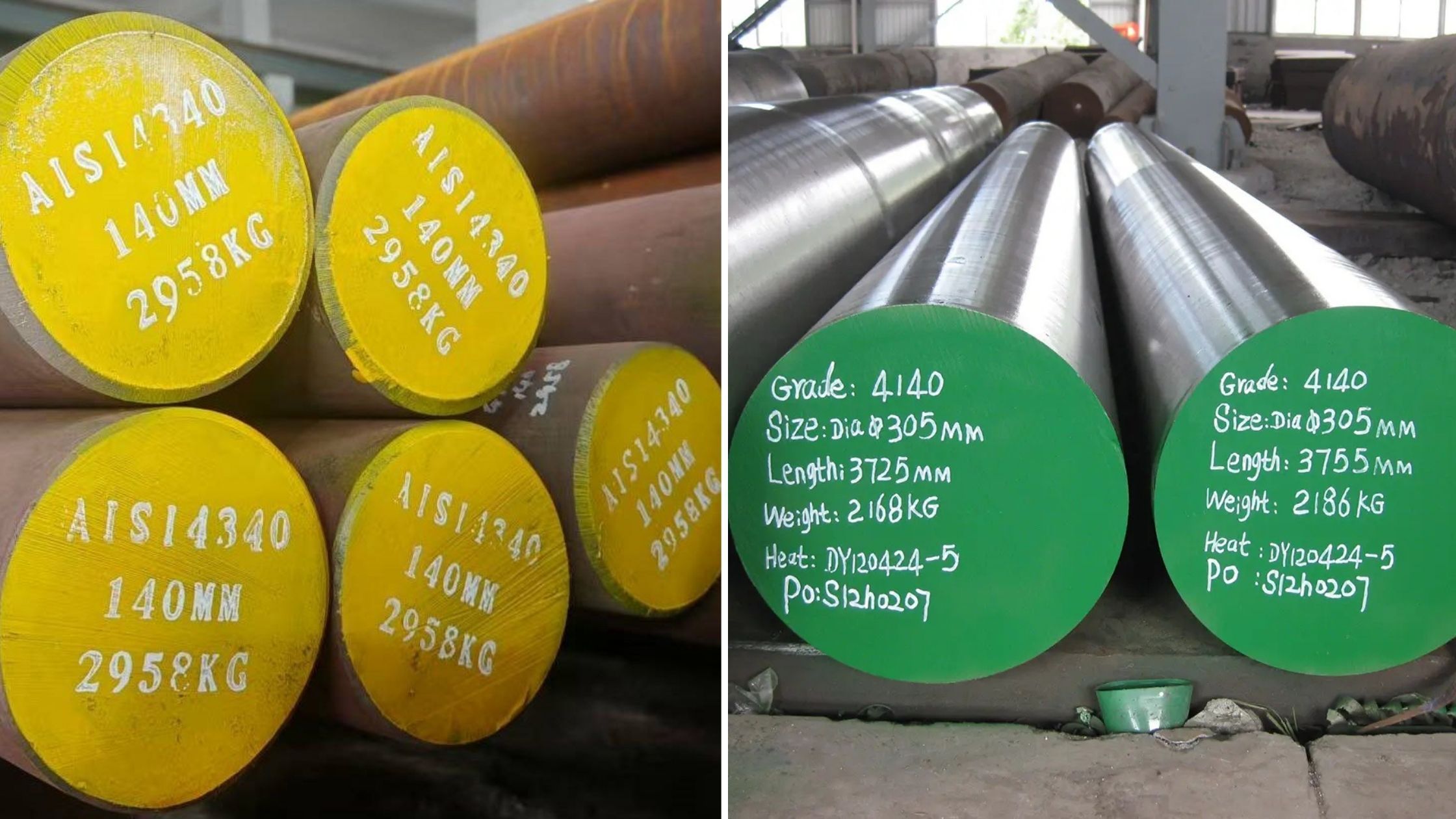
These applications involve repeated stress cycles, and EN31 performs extremely well under such conditions. Related reading: Why 4140 Alloy Steel Is the Most Popular Engineering Steel
This helps compare EN31 with other engineering steels like 4140.
3. Precision Engineering Components
EN31 offers excellent dimensional stability after heat treatment, making it ideal for:
- Precision shafts
- Spindles
- Machine components
Industries such as automotive, aerospace, and manufacturing rely on EN31 where tight tolerances are critical.
4. High Hardness Requirements
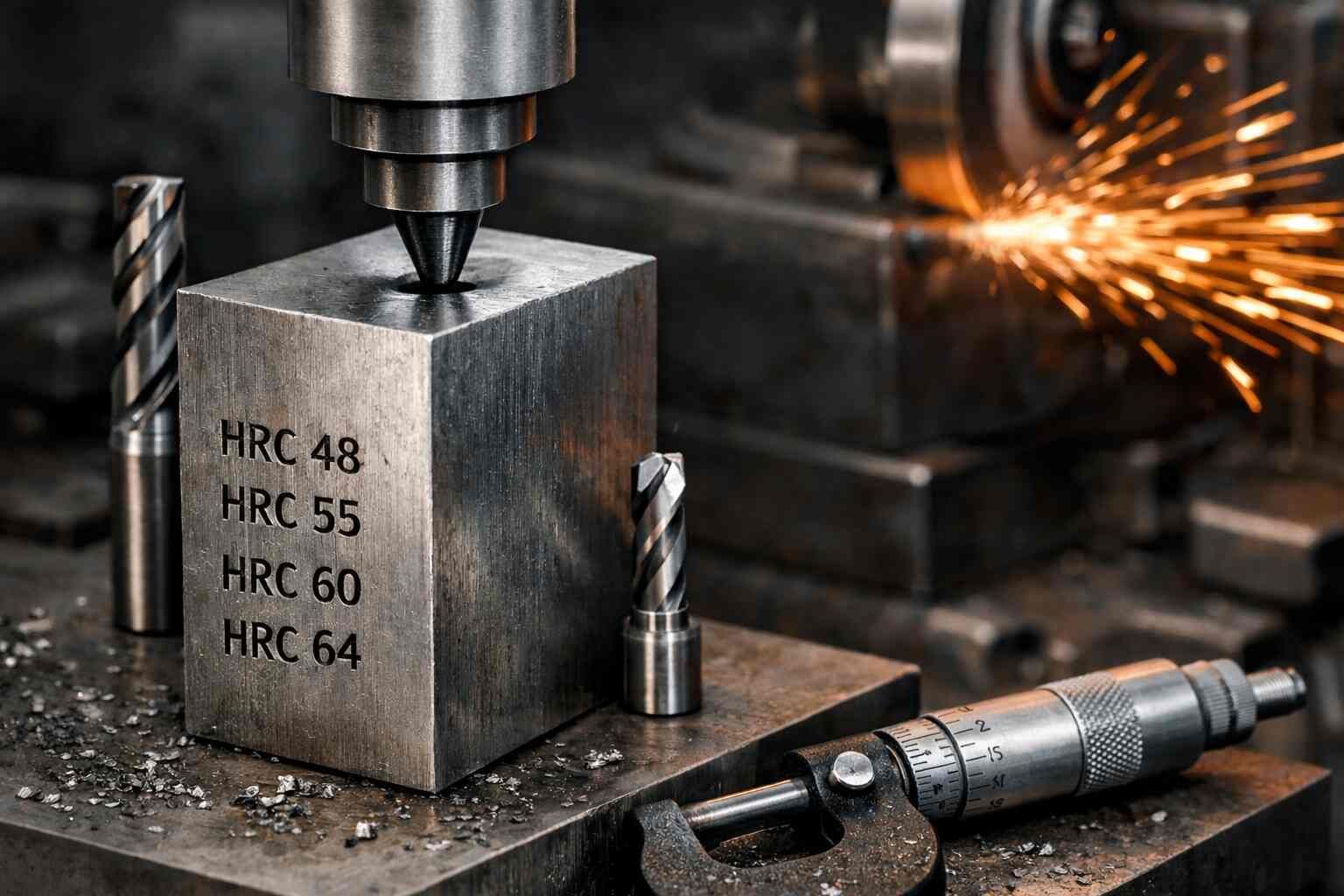
If your application requires extreme surface hardness, EN31 is one of the best choices.
It responds well to:
- Through hardening
- Induction hardening
- Tempering
- This makes it suitable for:
- Dies and punches
- Tooling components
- High-contact surfaces
5. Long Service Life Applications
EN31 is ideal for applications where durability and lifecycle performance matter.
Benefits include:
- Reduced wear
- Lower maintenance costs
- Extended component life
This is why industries choose EN31 for high-performance, long-term applications.