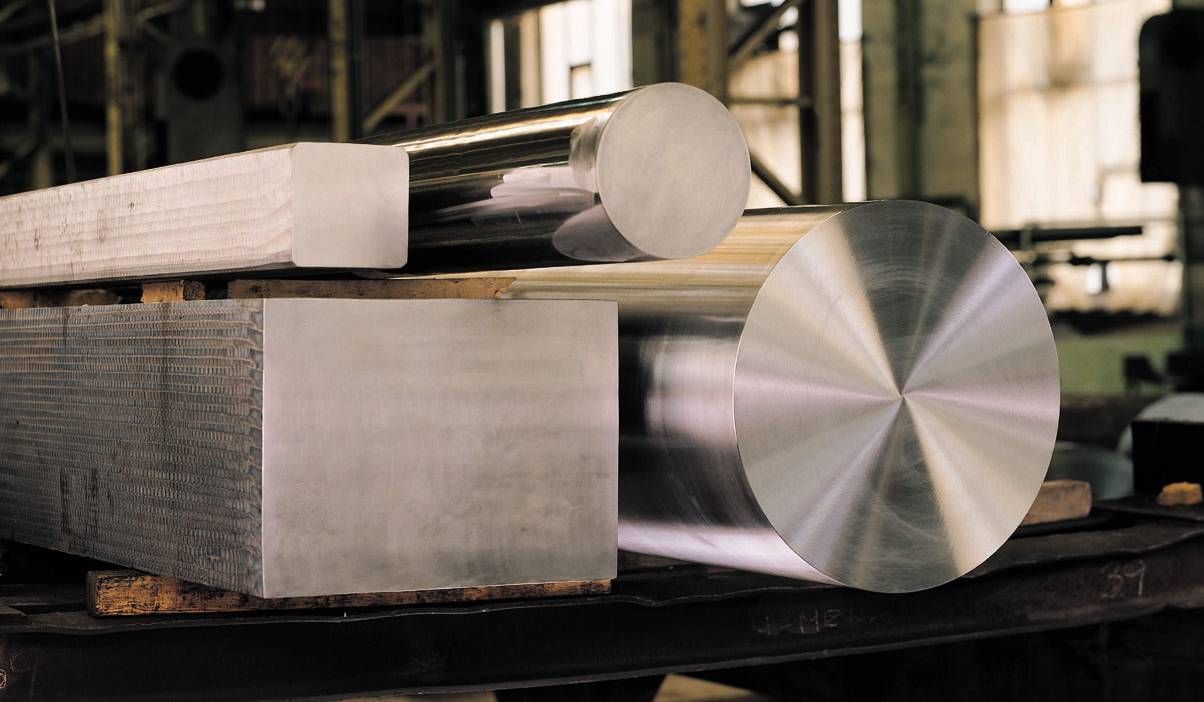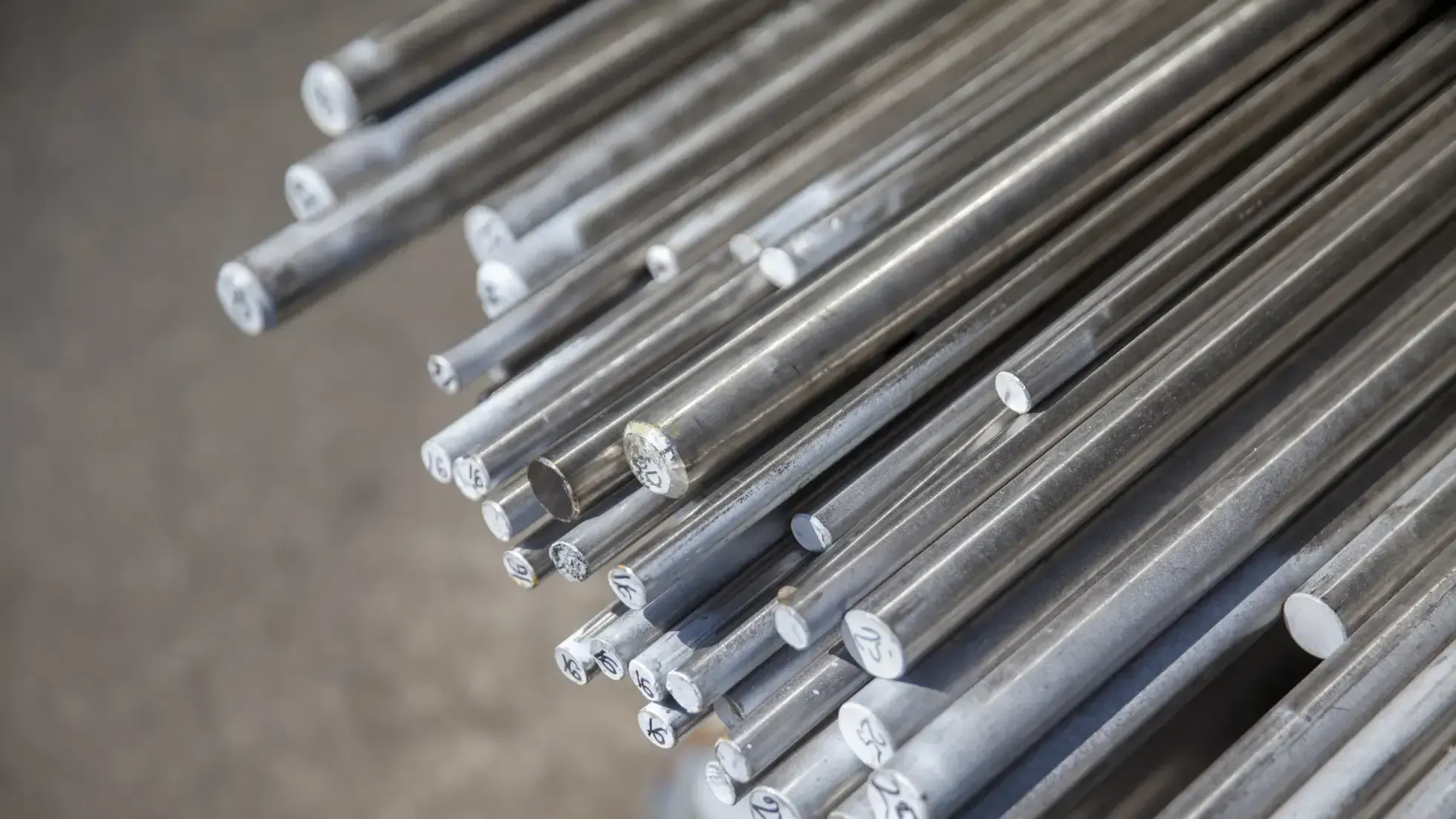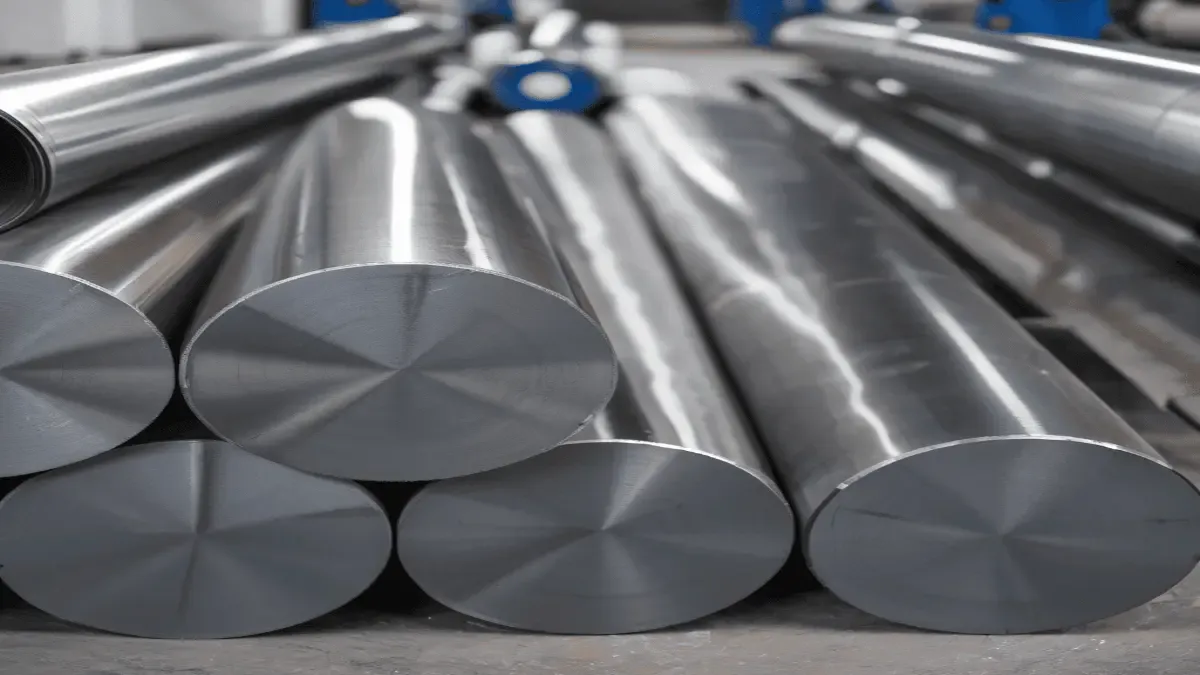
The distinct performance of these two alloys begins with their chemical makeup. 17-4 PH is a precipitation-hardening martensitic stainless steel, while 316 is an austenitic grade. The presence and proportion of elements like chromium, nickel, molybdenum, and copper define their mechanical strength, corrosion resistance, and response to heat treatment.
Element | 17-4 PH (UNS S17400) | 316 Stainless Steel (UNS S31600) |
| Chromium (Cr) | 15.0% - 17.5% | 16.0% - 18.0% |
| Nickel (Ni) | 3.0% - 5.0% | 10.0% - 14.0% |
| Molybdenum (Mo) | - | 2.0% - 3.0% |
| Copper (Cu) | 3.0% - 5.0% | - |
| Manganese (Mn) | ≤ 1.0% | ≤ 2.0% |
| Silicon (Si) | ≤ 1.0% | ≤ 0.75% |
| Carbon (C) | ≤ 0.07% | ≤ 0.08% |
| Phosphorus (P) | ≤ 0.04% | ≤ 0.045% |
| Sulfur (S) | ≤ 0.03% | ≤ 0.03% |
| Niobium + Tantalum | 0.15% - 0.45% | - |
This table highlights the key chemical distinctions between the two grades. The higher nickel and molybdenum content in 316 stainless steel enhances its corrosion resistance, particularly against chlorides. Conversely, the copper and niobium additions in 17-4 PH enable its unique precipitation-hardening capabilities, which are responsible for its very high strength.