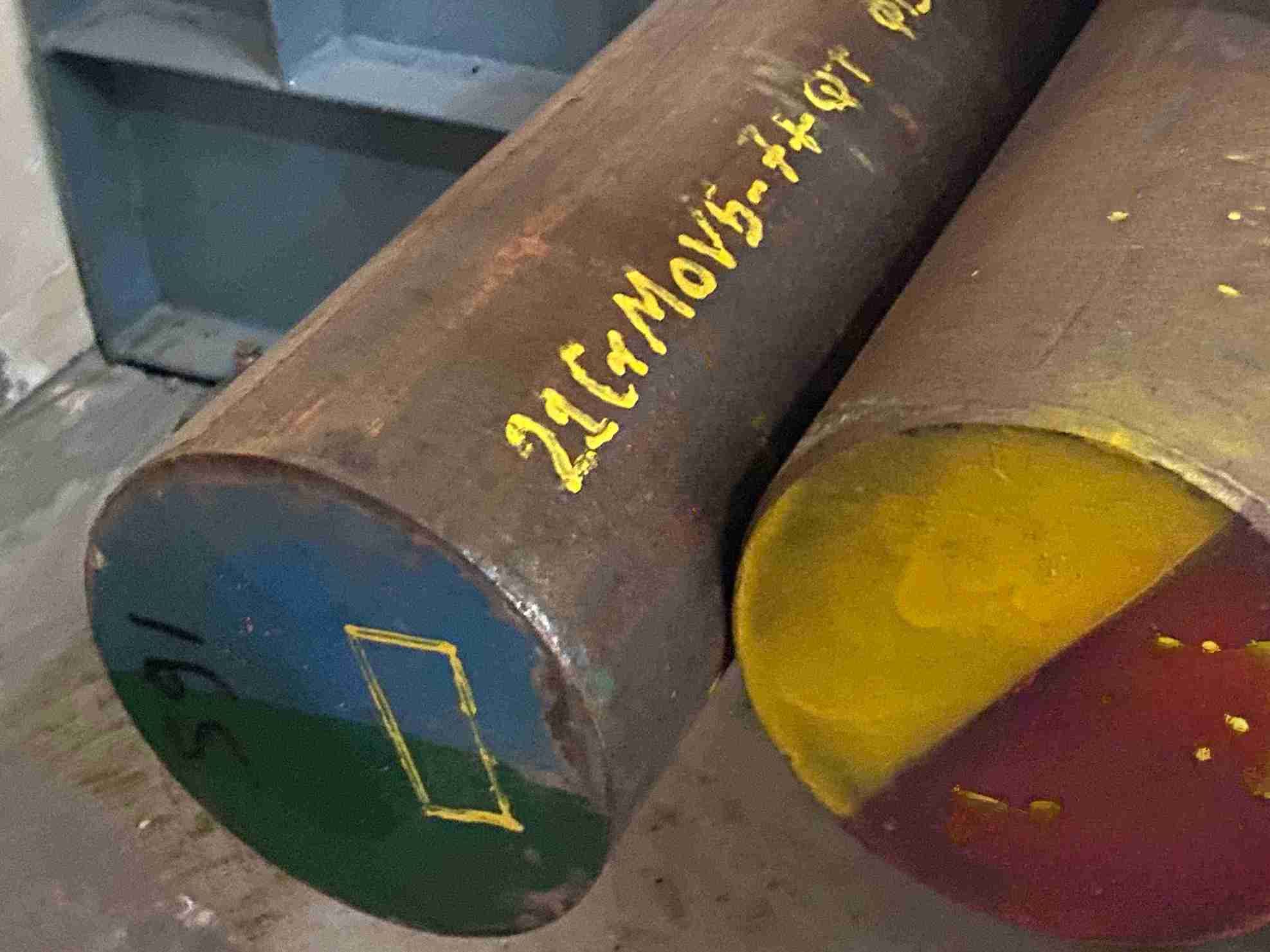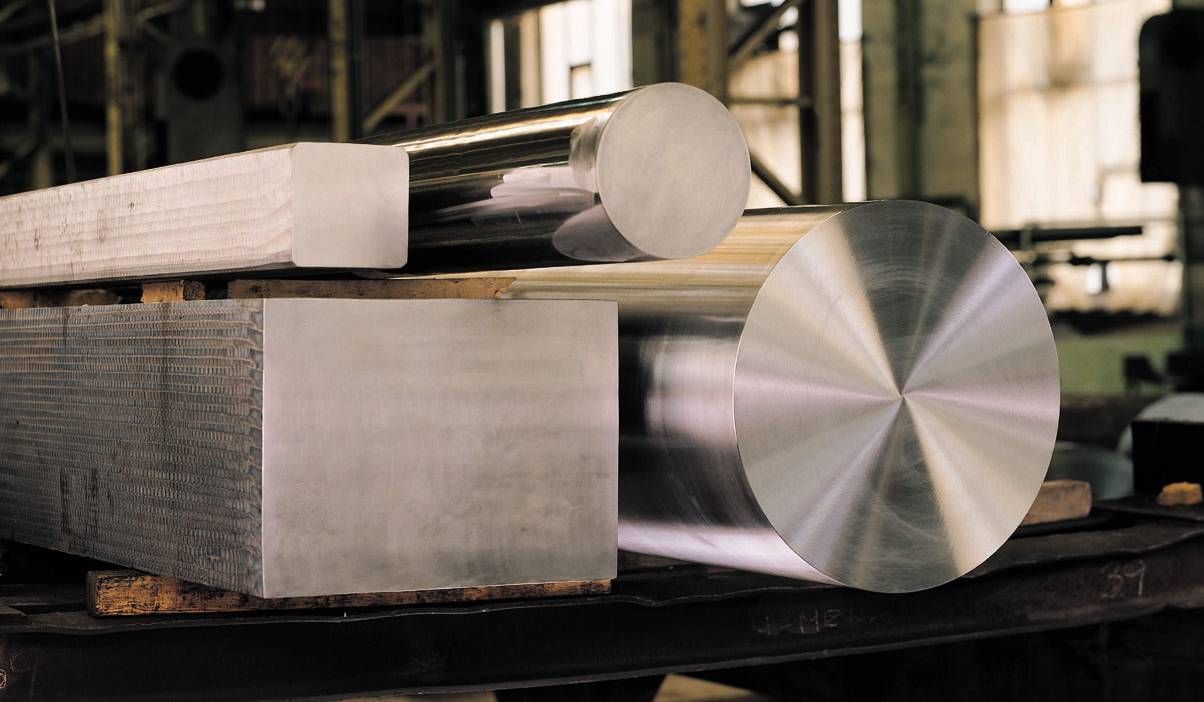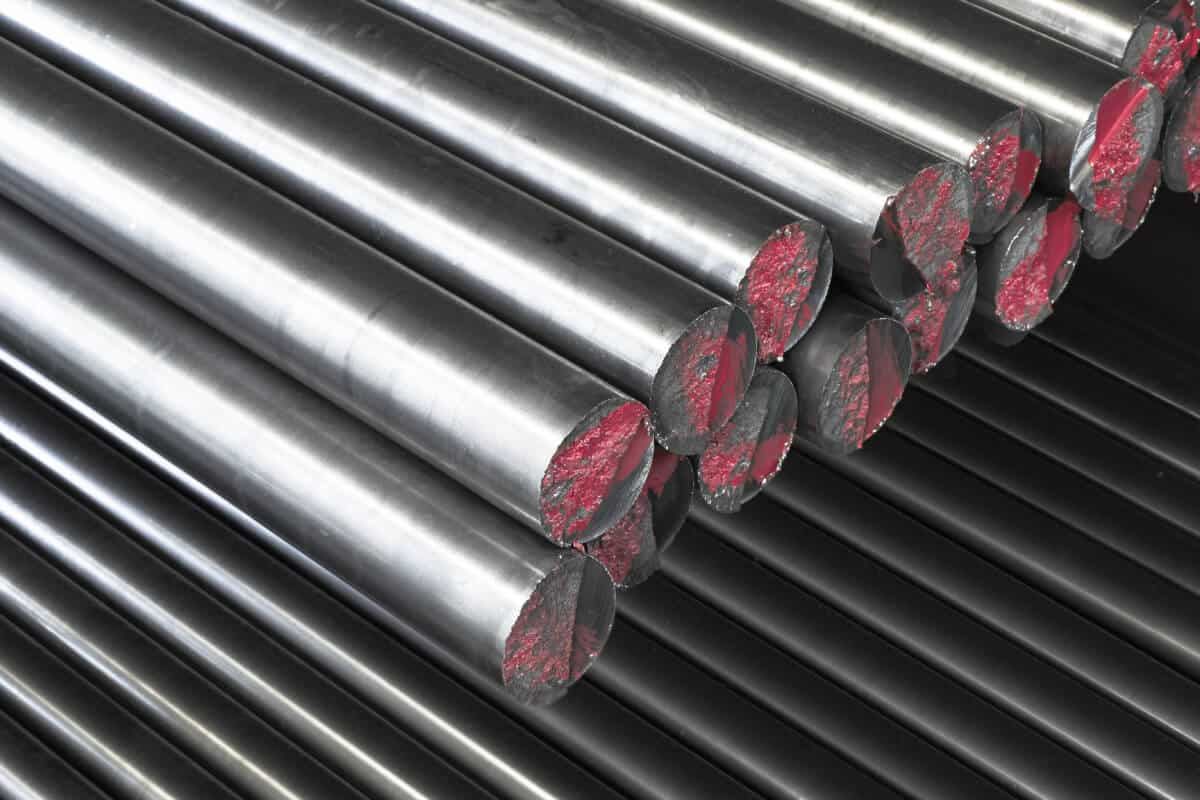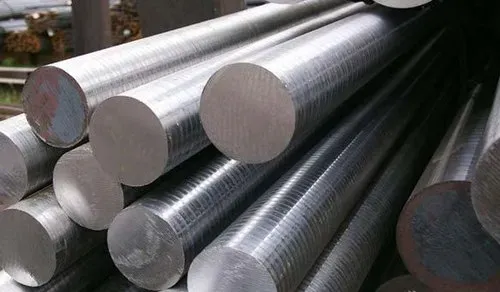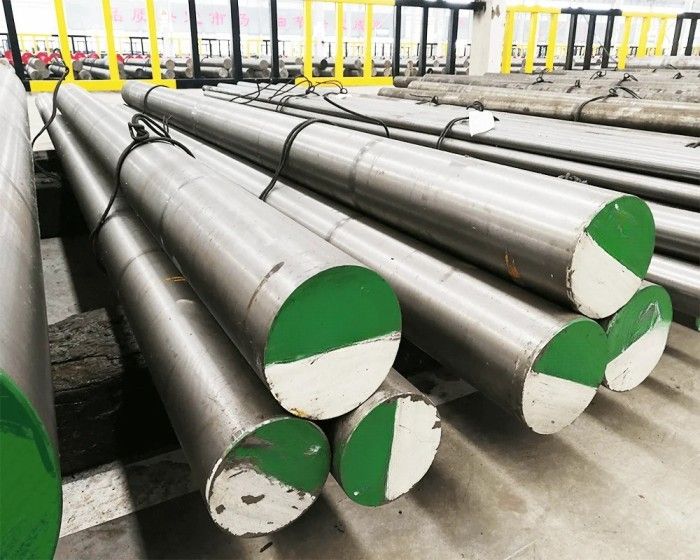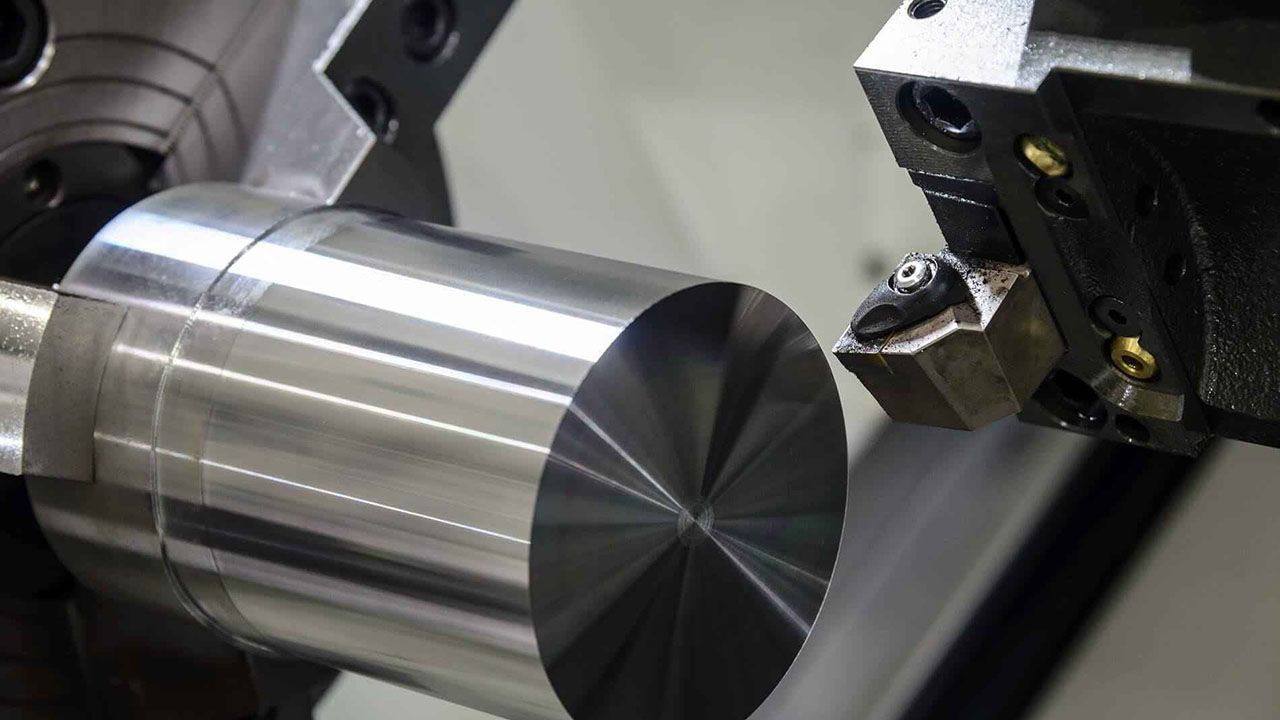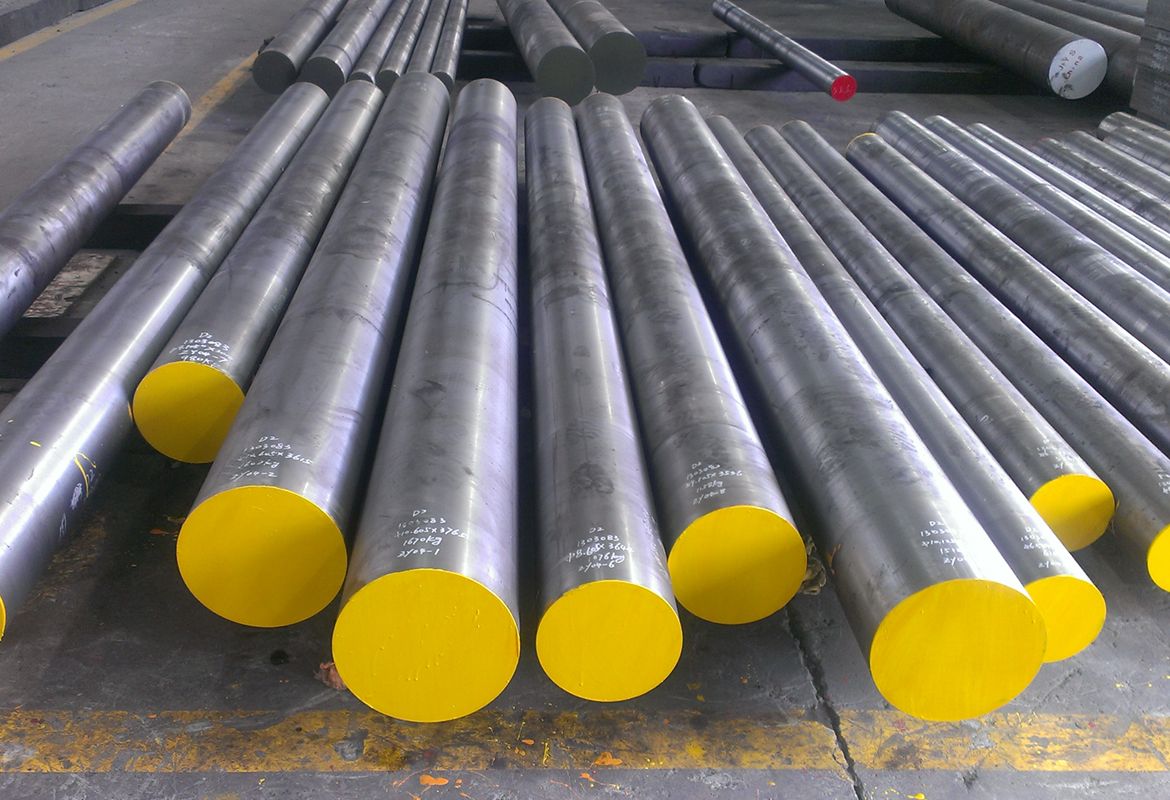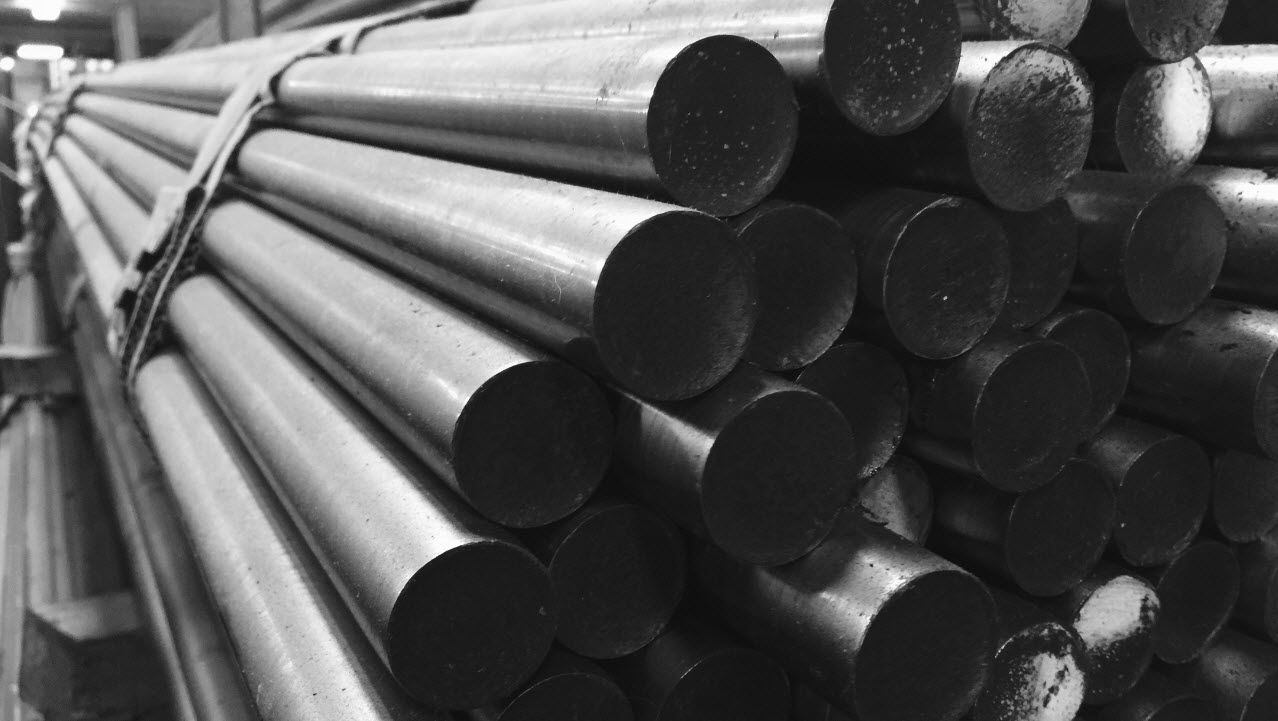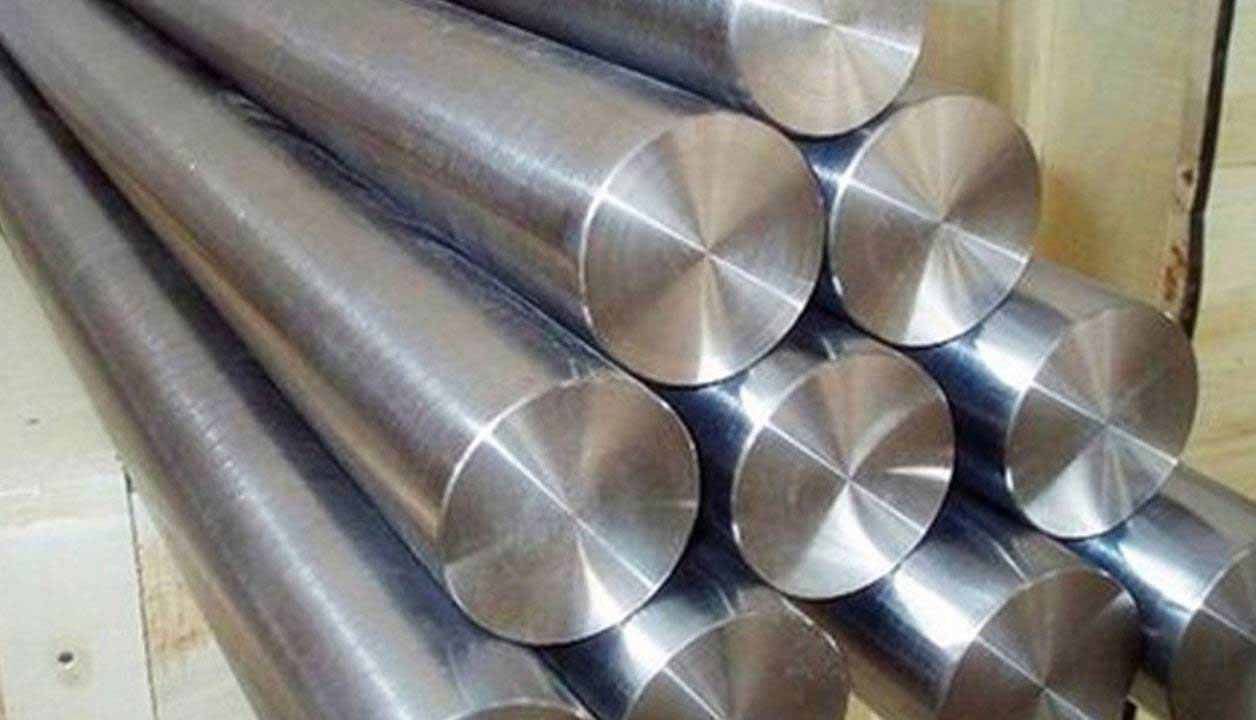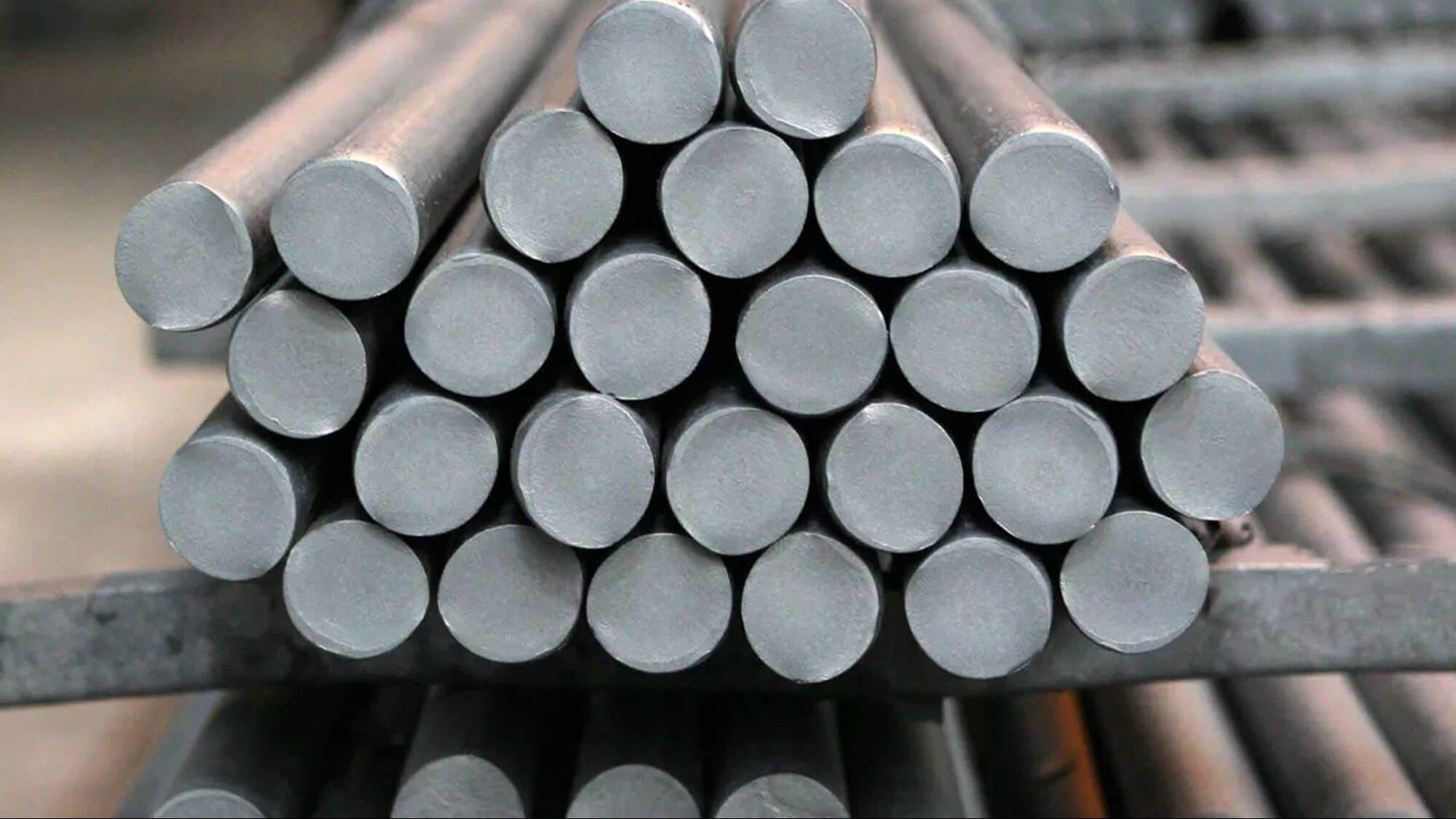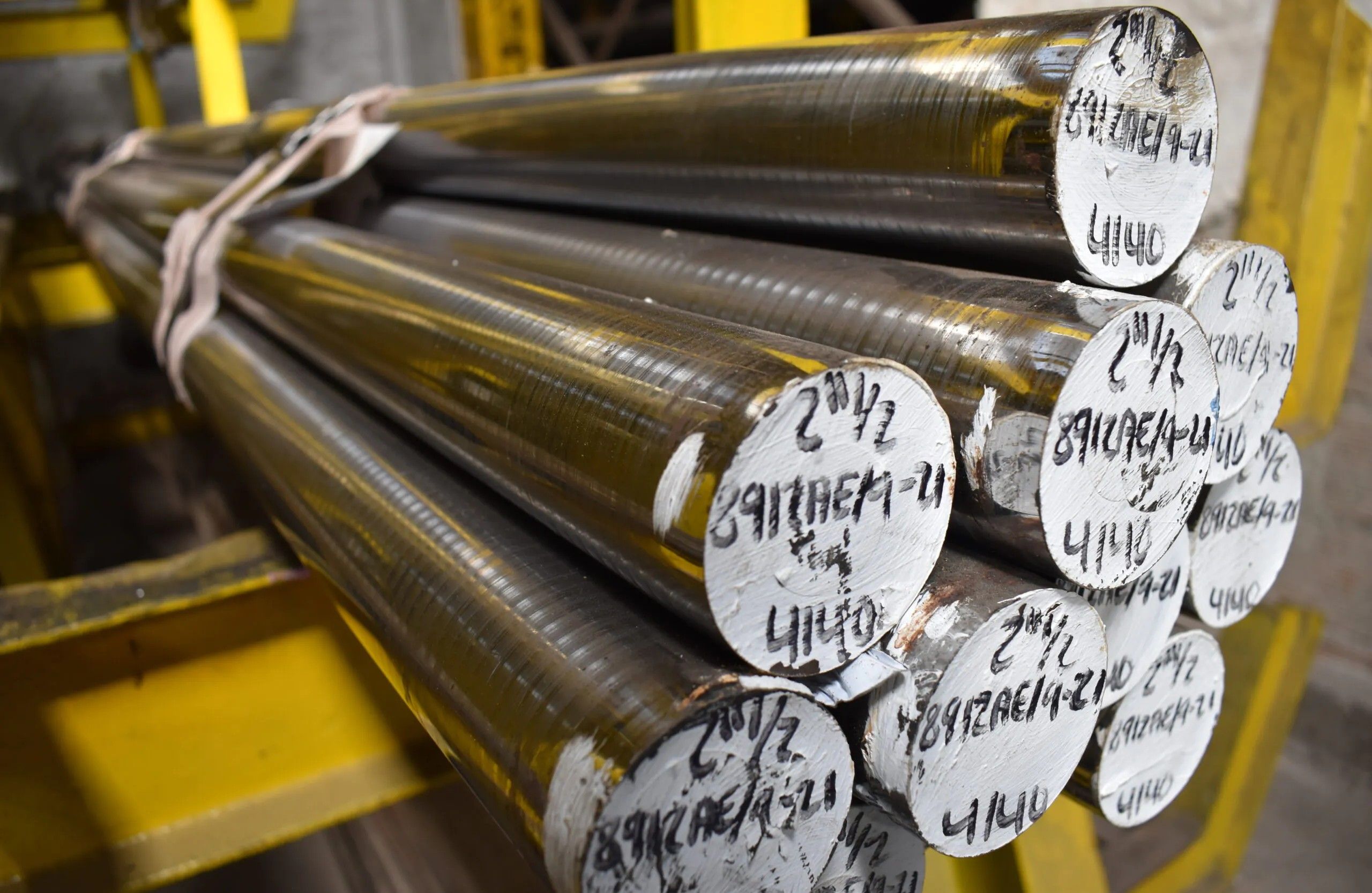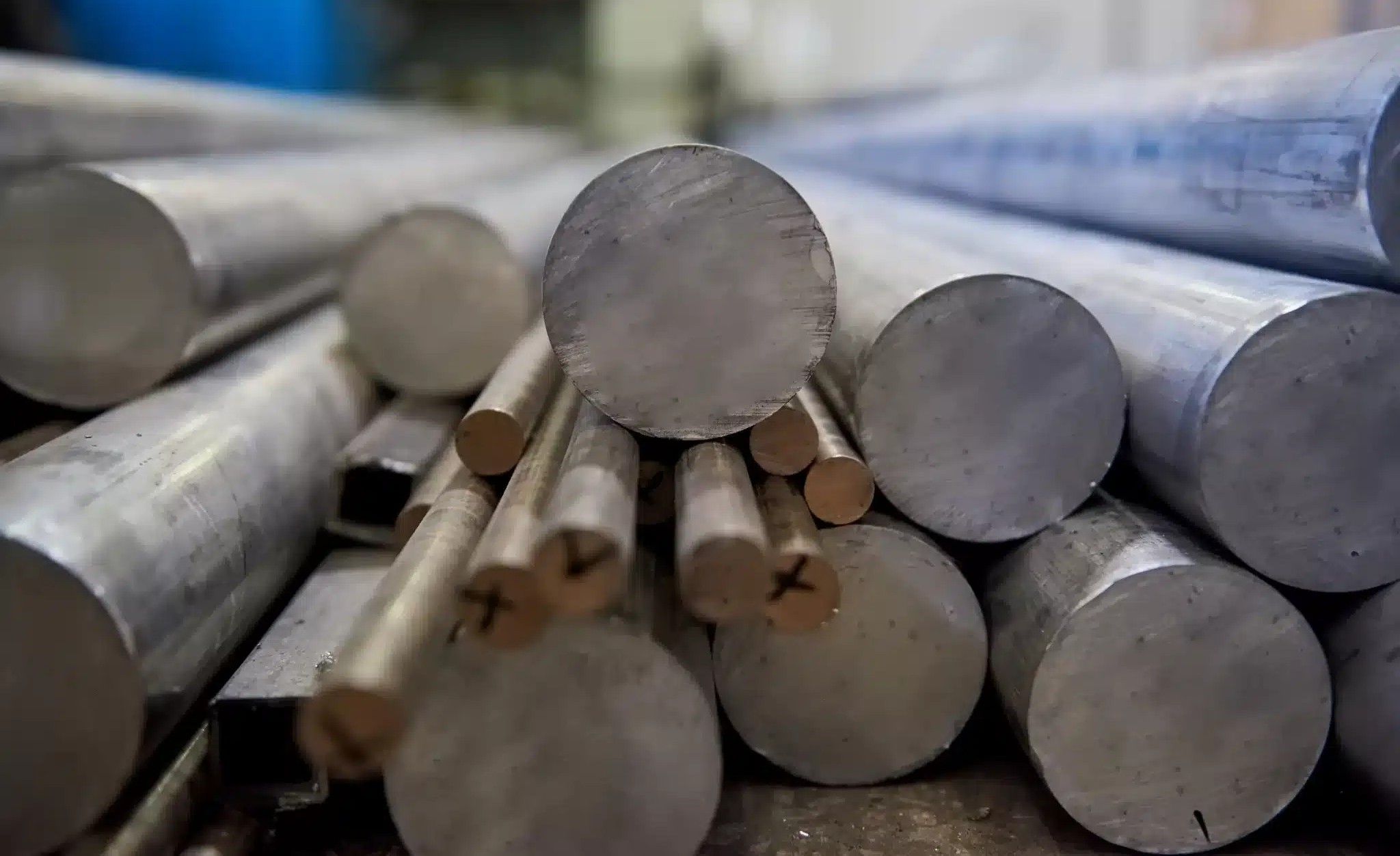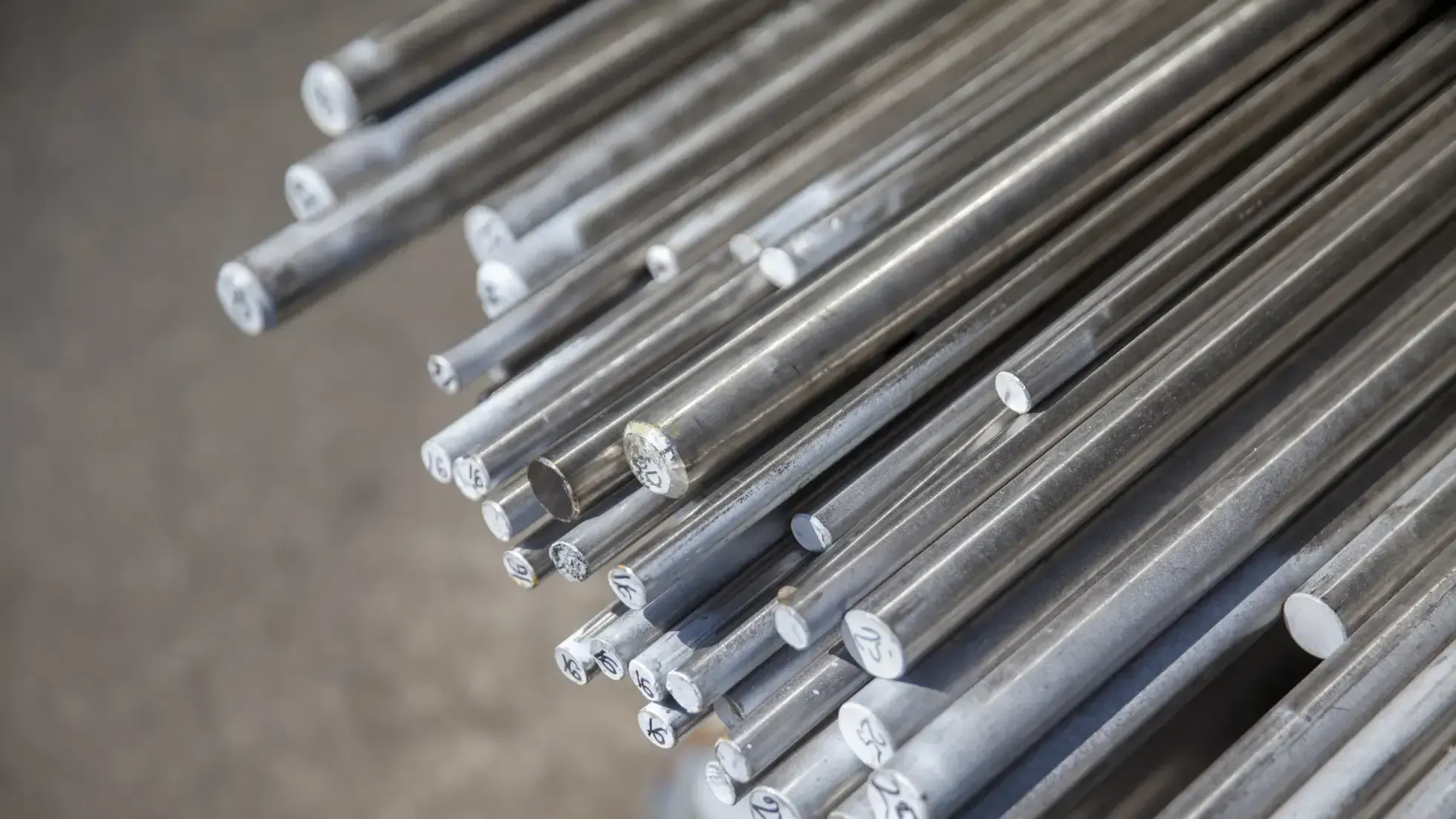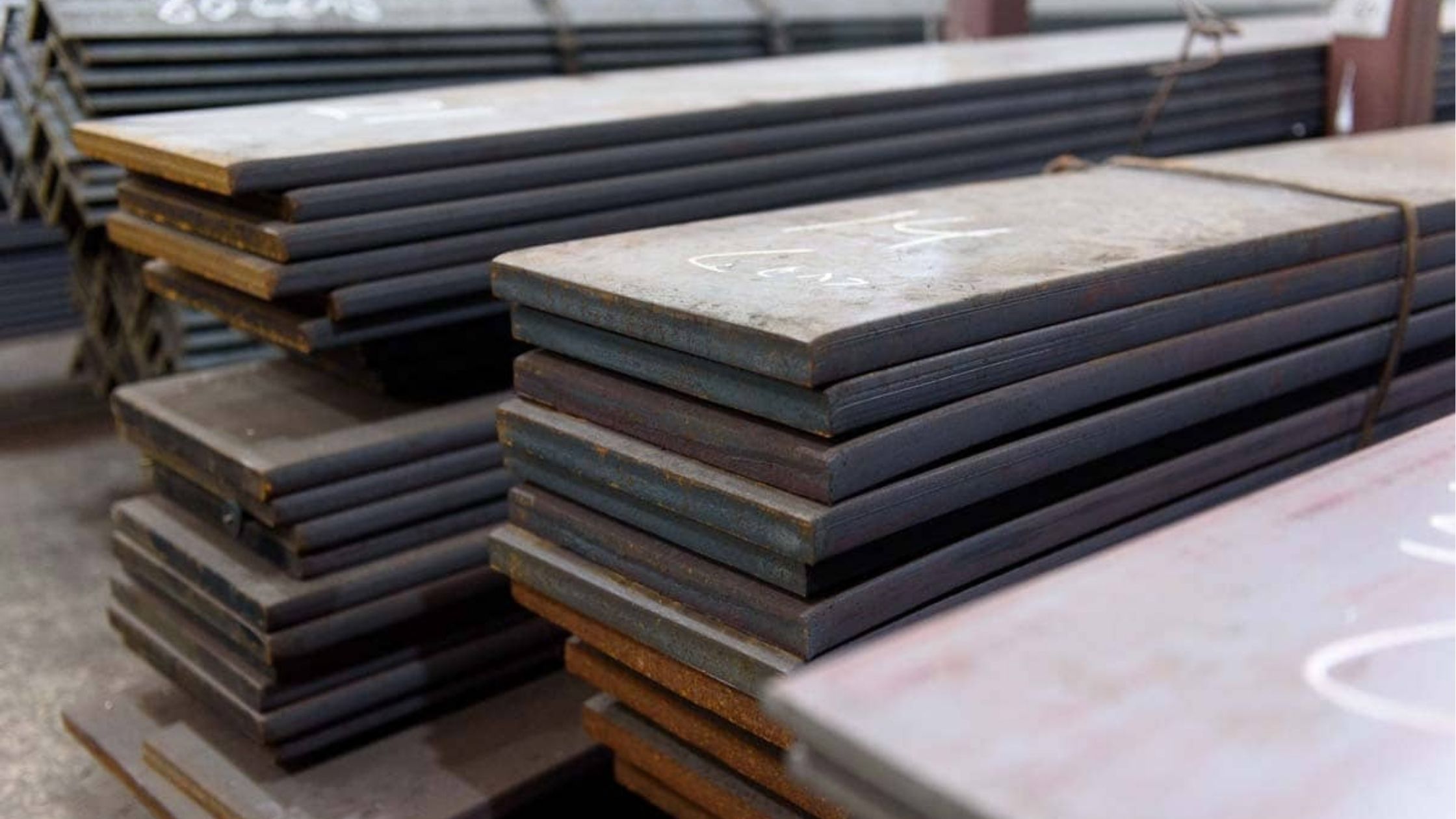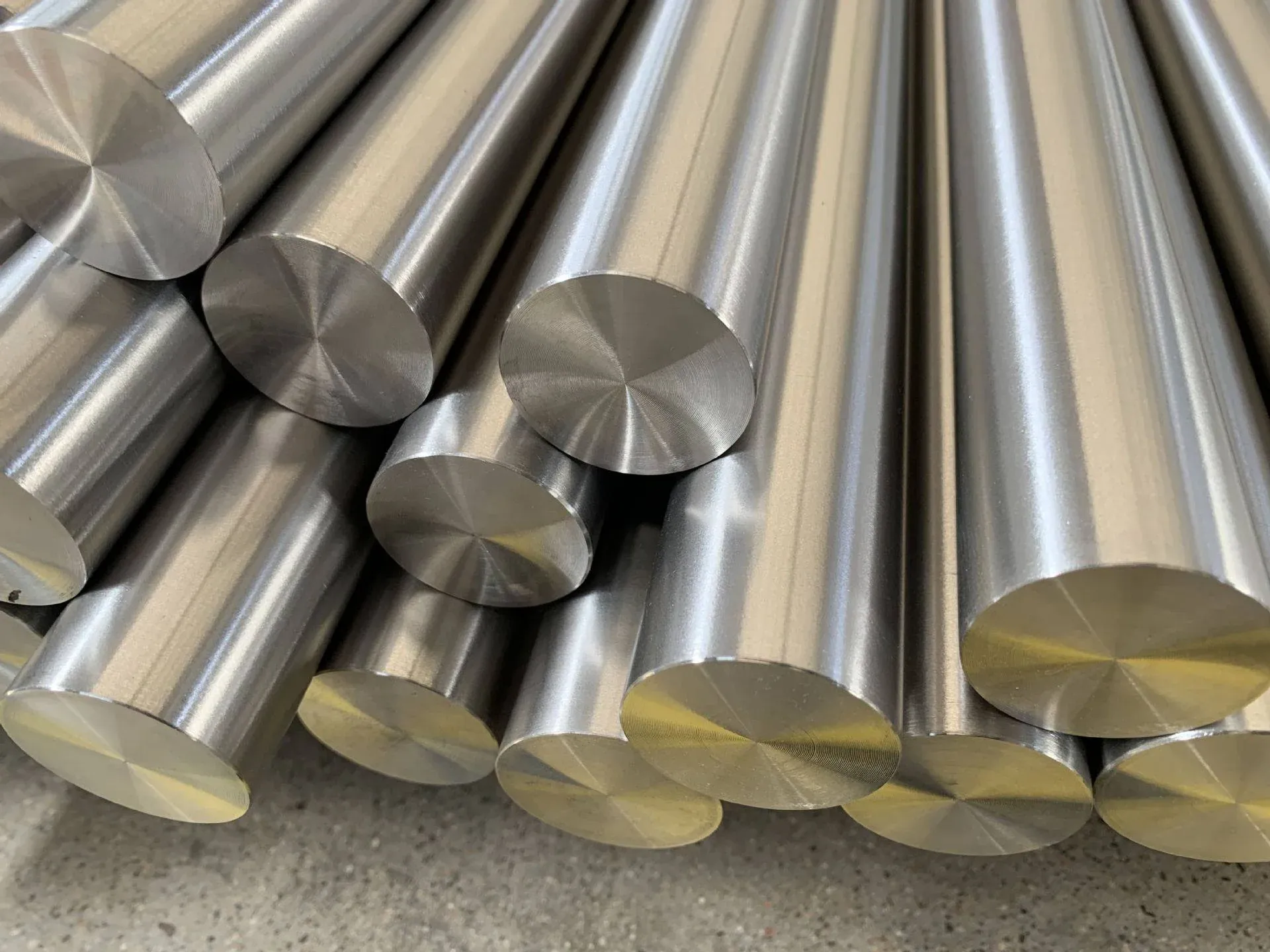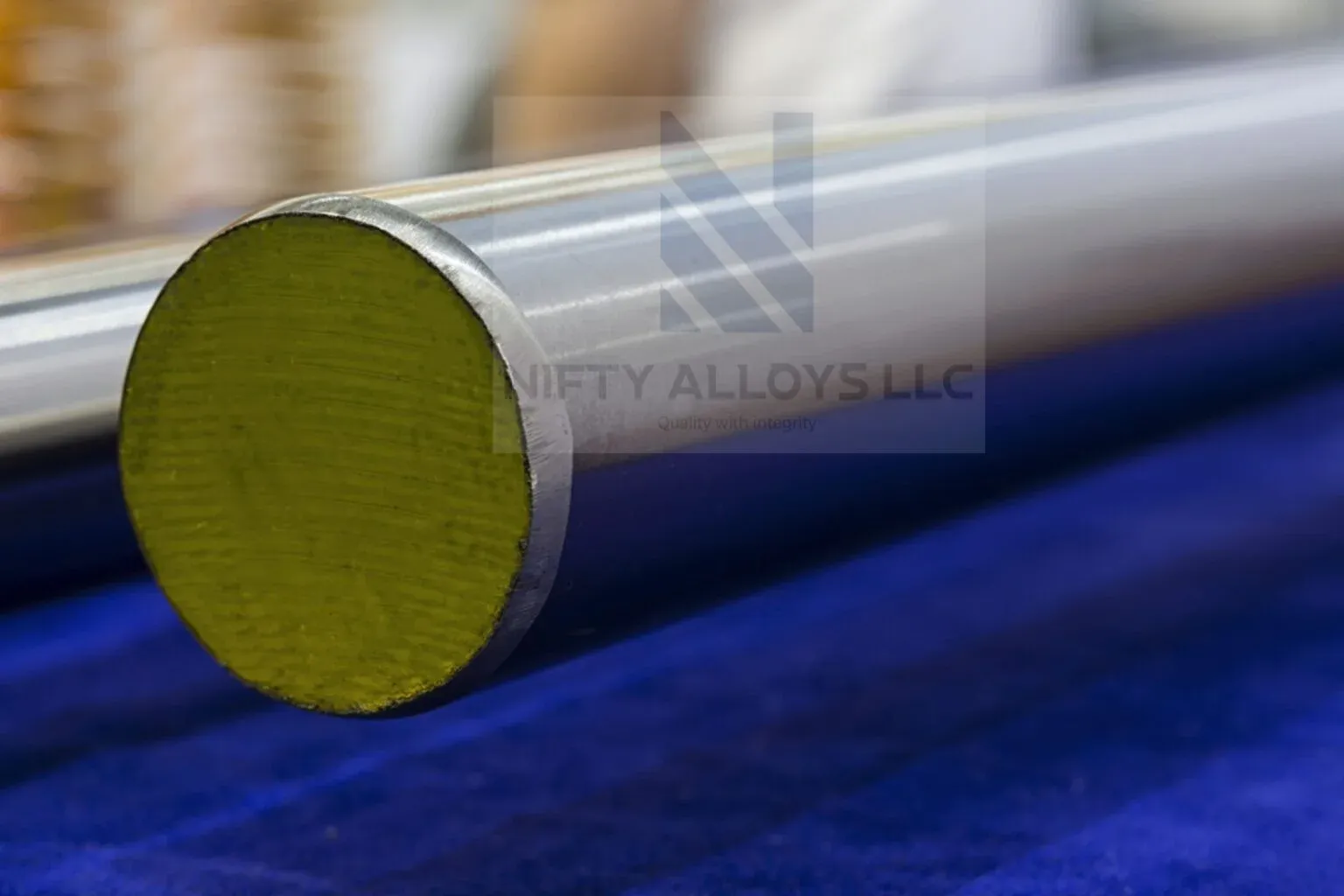
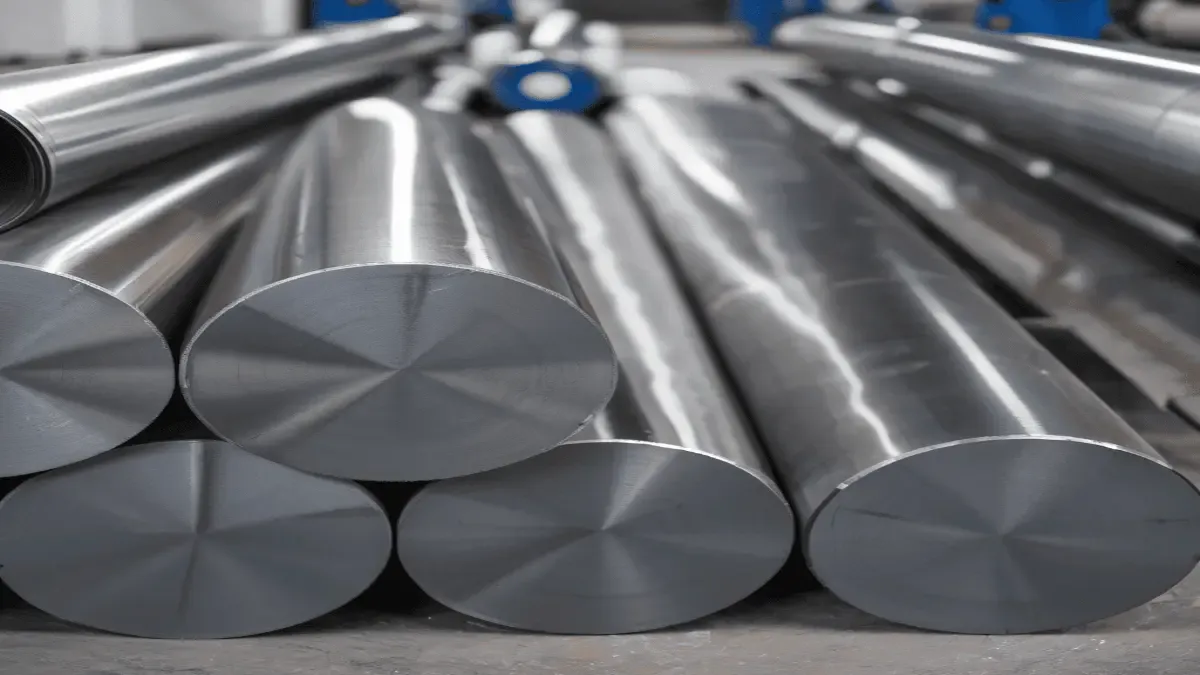
- Medium-carbon, chromium-molybdenum steel
- Excellent fatigue strength under dynamic loads
- Superior toughness & wear resistance
- High hardenability with proper quenching and tempering
- Suitable for precision-machined components
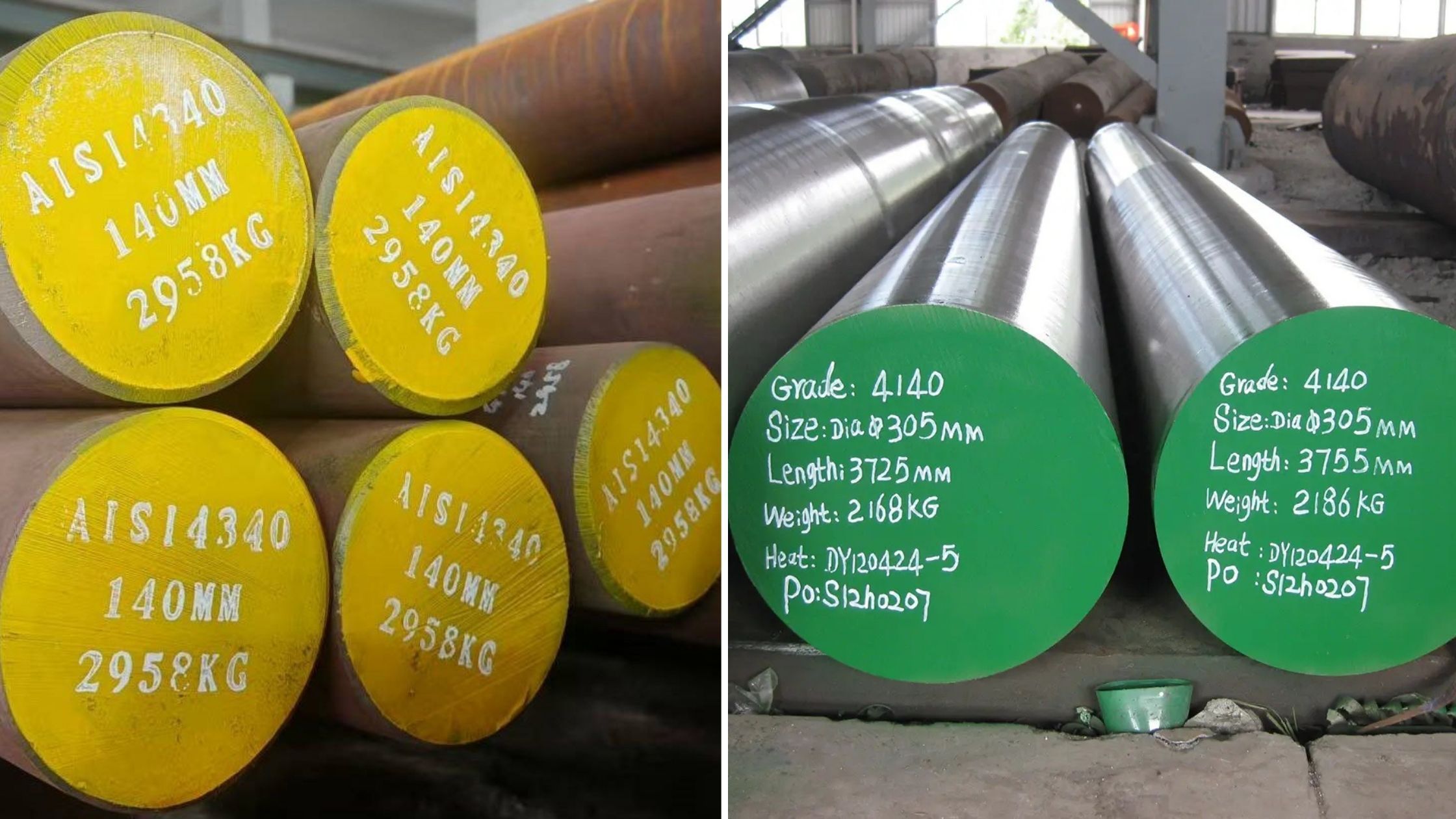
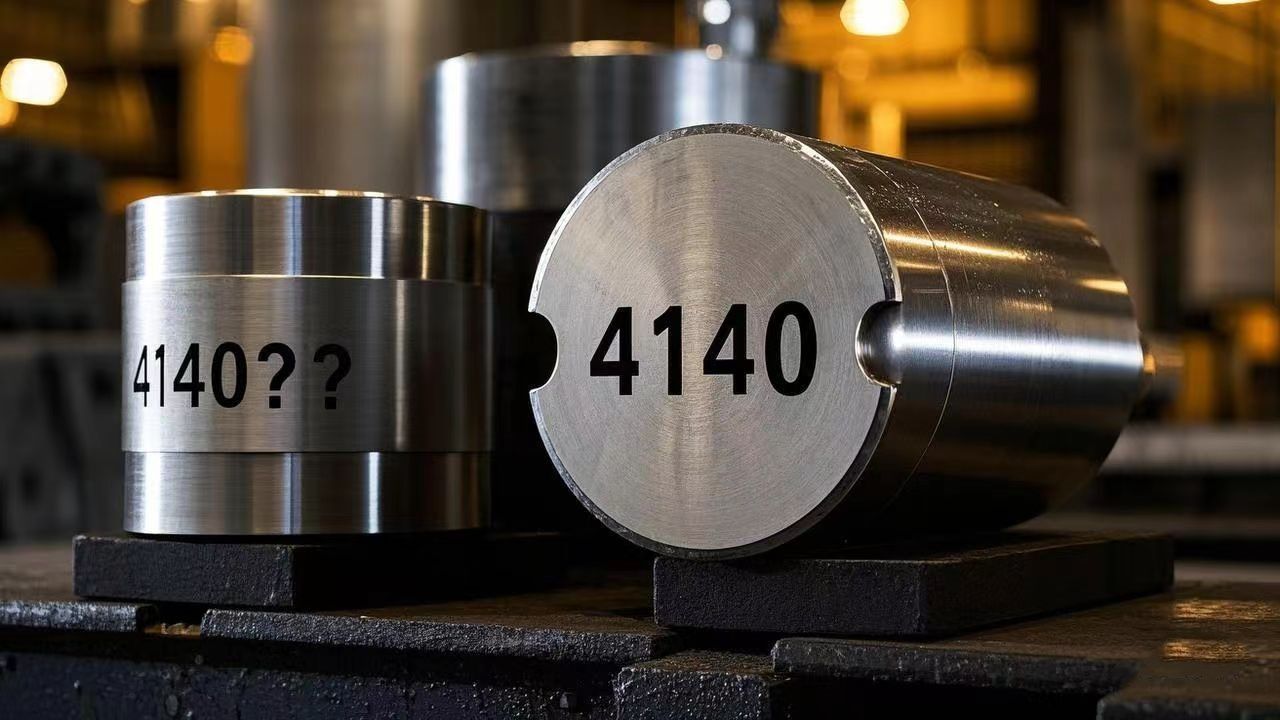
It is often compared with AISI 4140 alloy steel, another globally popular equivalent.
Learn more about our Alloy Steel Products.
Chemical Composition of EN19 / 42CrMo4
The chemical makeup gives this steel its unique characteristics:
| Element | Content (%) |
|---|---|
| Carbon (C) | 0.36 – 0.44 |
| Chromium (Cr) | 0.90 – 1.20 |
| Molybdenum (Mo) | 0.15 – 0.25 |
| Manganese (Mn) | 0.60 – 0.90 |
| Silicon (Si) | 0.10 – 0.35 |
| Phosphorus (P) | ≤ 0.035 |
| Sulphur (S) | ≤ 0.035 |
This balanced composition ensures high tensile strength, toughness, and wear resistance. Chromium enhances corrosion and oxidation resistance, while molybdenum improves hardenability and creep resistance.
Mechanical Properties of EN19 Alloy Steel
The properties of EN19 / 42CrMo4 vary with heat treatment, but typically:
| Property | Value |
|---|---|
| Tensile Strength | 850 – 1000 N/mm² |
| Yield Strength | 650 N/mm² (typical) |
| Hardness (Annealed) | 28 – 32 HRC |
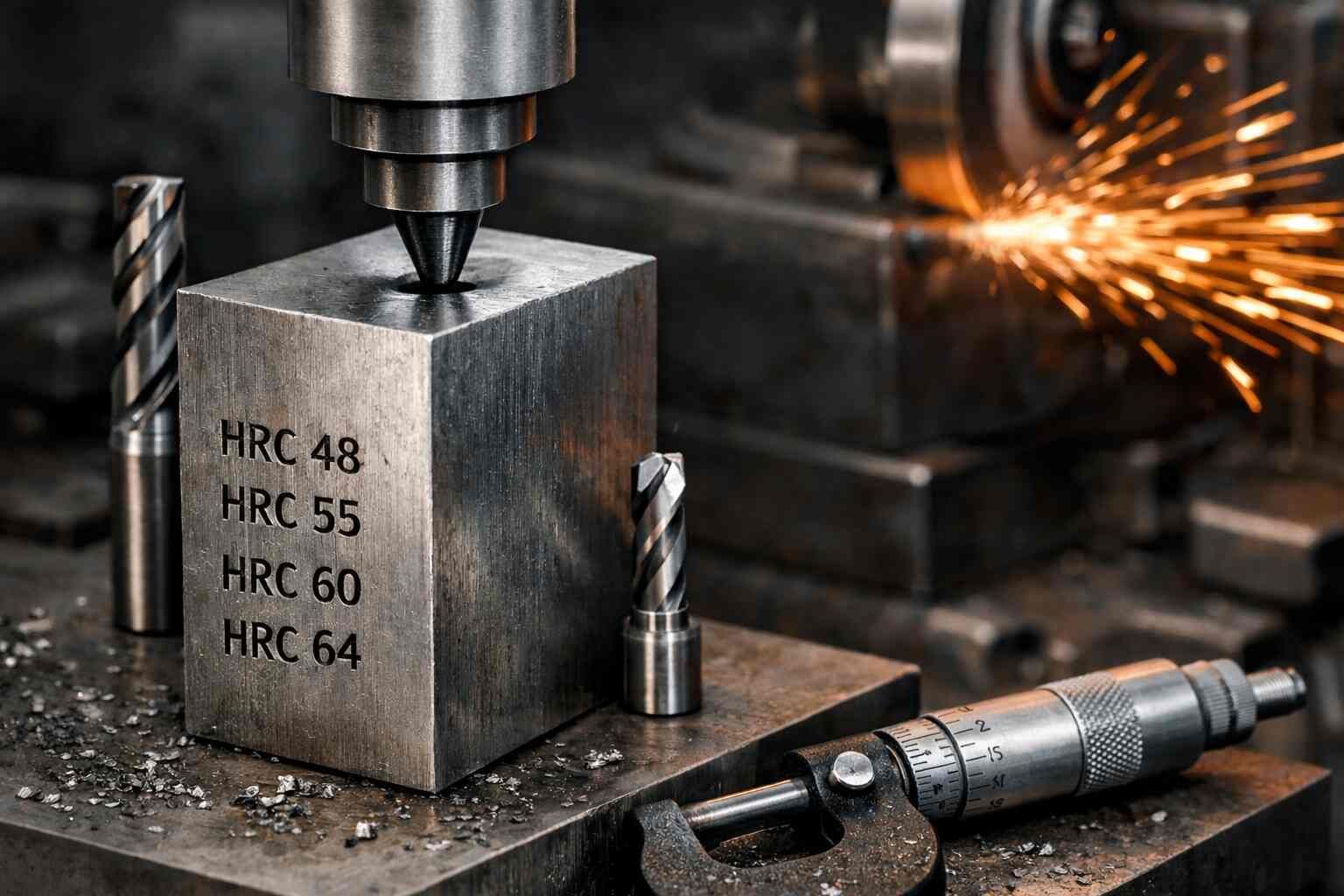
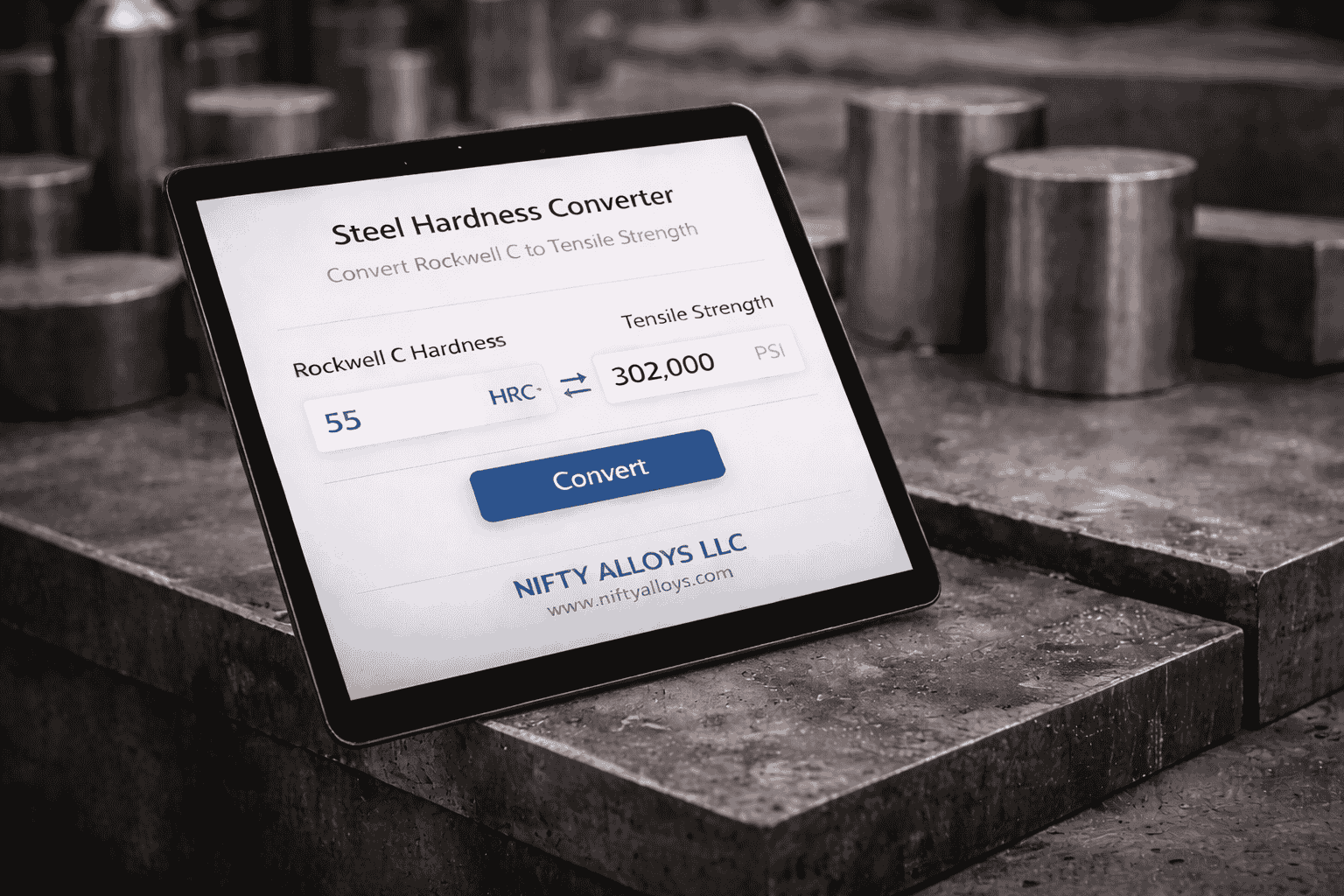
| Hardness (Quenched & Tempered) | Up to 55 HRC |
| Elongation | 12 – 16% |
| Impact Resistance | Excellent |
These properties make it a multi-purpose alloy steel for both heavy-duty and precision applications.
Strength of EN19 / 42CrMo4 Steel
One of the biggest reasons EN19 is so popular is its strength-to-weight ratio. Unlike mild steels, it retains high tensile and fatigue strength, making it suitable for:
- High-load automotive parts
- Rotating shafts & gears
- Aerospace-grade forgings
- Oilfield drilling equipment
Its hardness can be tailored via heat treatment, allowing manufacturers to optimize components for wear resistance or toughness.
Heat Treatment of EN19 / 42CrMo4
Heat treatment is the defining factor in unlocking EN19’s full potential.
- Annealing
- Process: Heated to 680–700°C and furnace cooled
- Purpose: Improves machinability and refines grain structure
- Normalizing
- Process: Heated to 850–900°C, air cooled
- Purpose: Improves mechanical uniformity
- Hardening (Quenching)
- Process: Heated to 840–880°C, quenched in oil/water
- Purpose: Increases hardness & tensile strength
- Tempering
- Process: Heated to 540–680°C
- Purpose: Balances hardness and toughness, reduces brittleness
- Nitriding / Carburizing
- Process: Case hardening
- Purpose: Increases surface hardness and wear resistance
Related Reading: AISI 4140 Alloy Steel Heat Treatment Guide.