1. What is low carbon steel?
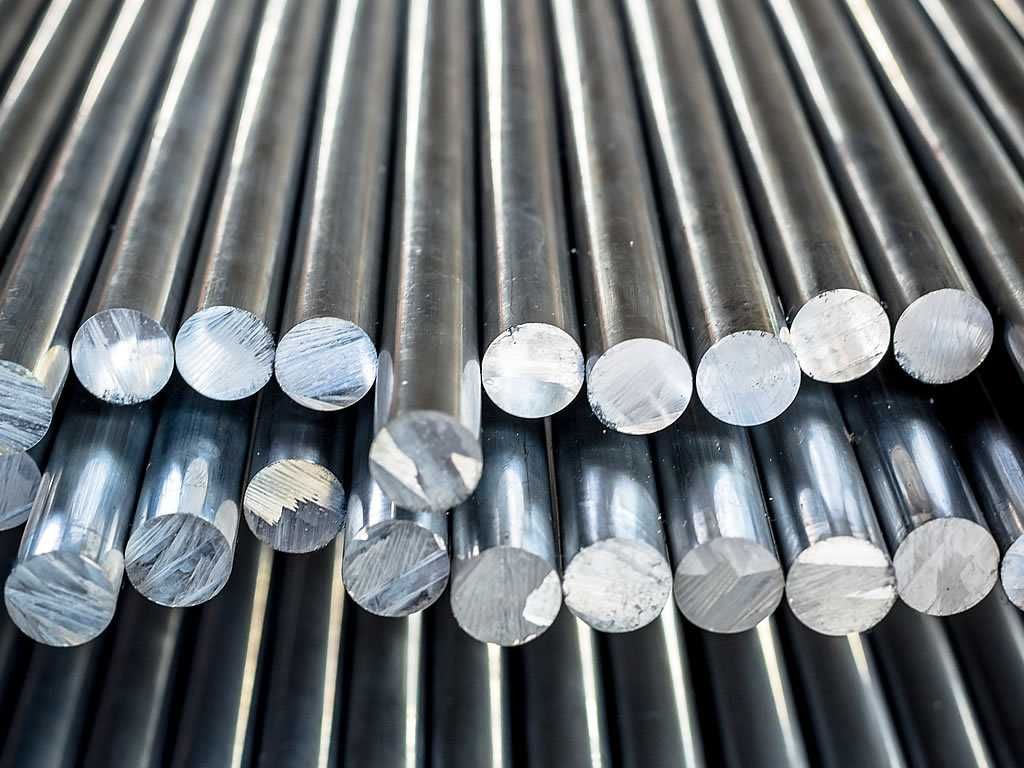
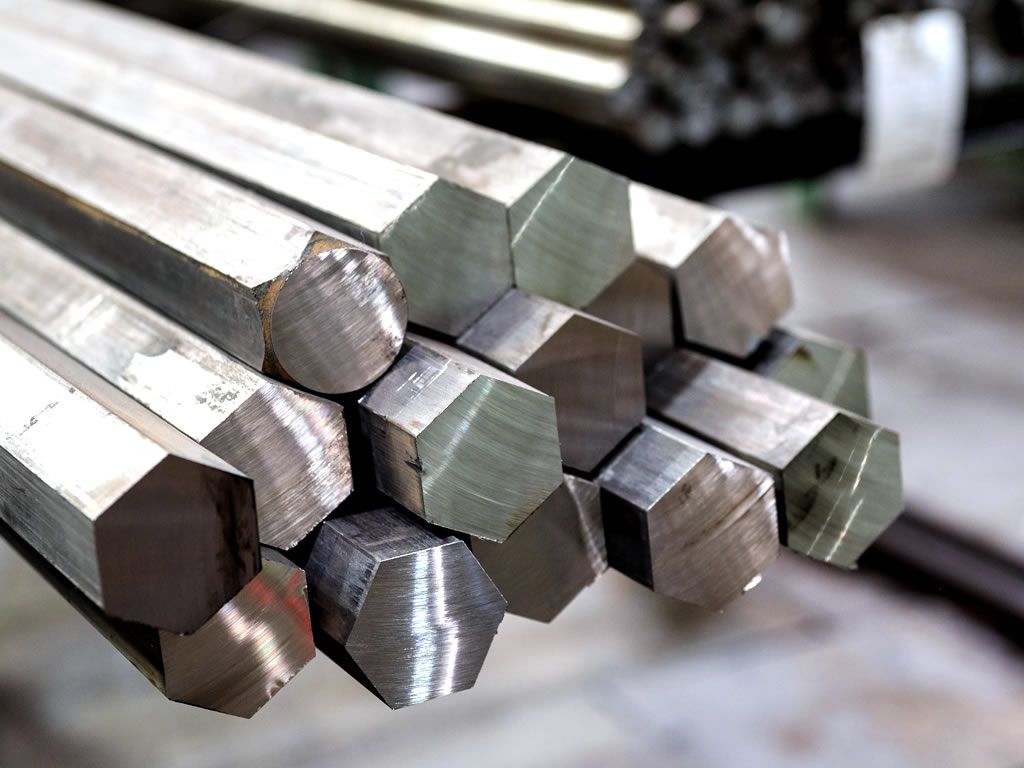
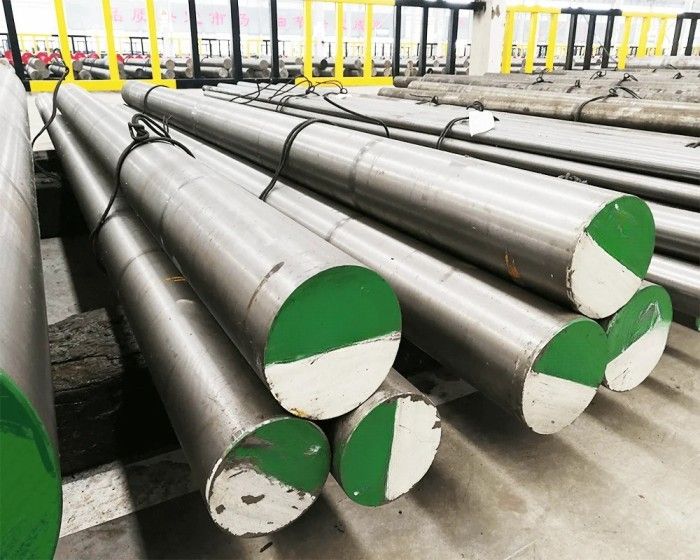
Low carbon steel, also known as mild steel, is a type of steel with a carbon content between 0.04% and 0.30%. This low carbon level makes it highly ductile, weldable, and easy to machine.
2. Is mild steel the same as low carbon steel?
Yes, the terms "mild steel" and "low carbon steel" are used interchangeably to describe the same material. "Mild steel" is a more common, informal name.
3. Can low carbon steel be welded easily?
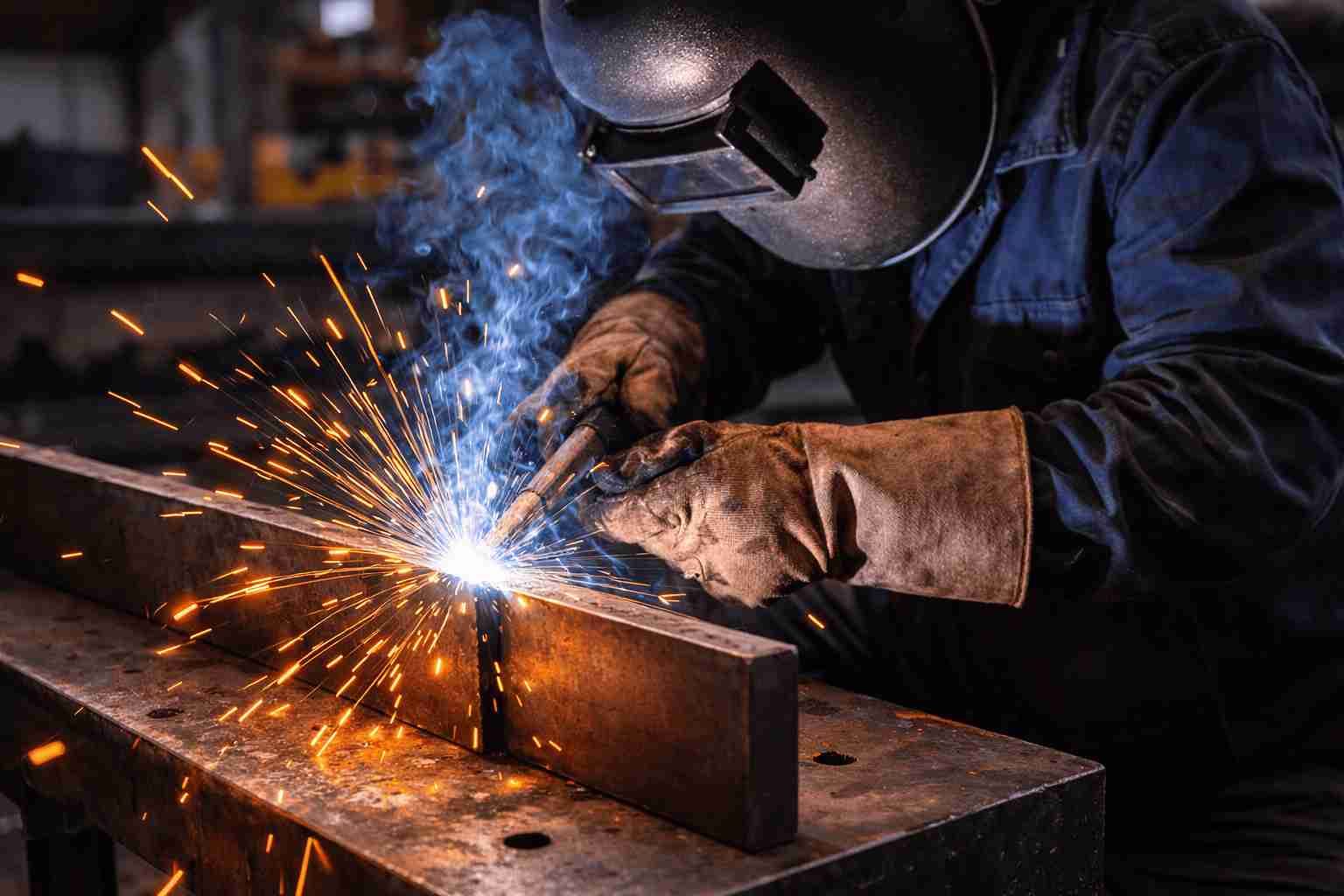
Yes, one of the primary advantages of low carbon steel is its excellent weldability. It can be joined using all common welding processes without the need for pre-heating or post-weld heat treatment, making fabrication simpler and more cost-effective.
4. Does low carbon steel rust?
Yes, low carbon steel has poor corrosion resistance and will rust readily when exposed to moisture and oxygen. It must be protected with a coating, such as paint, galvanization, or powder coating, to prevent corrosion.
5. What is low carbon steel used for?
It is used in a vast range of applications, including structural beams for construction, car body panels, machinery parts, furniture, fencing, and pipelines for water and gas.
6. Which low carbon steel grade is best for construction?
ASTM A36 is the most common grade for structural applications in the United States. In regions following European standards, S235JR and S275JR are the prevalent choices for construction projects.
7. Can low carbon steel be hardened?
Low carbon steel cannot be significantly hardened through heat treatment processes like quenching and tempering because it lacks sufficient carbon. However, its surface can be hardened through processes like carburizing (case-hardening).
8. What is the difference between low carbon and high carbon steel?
The main difference is the carbon content. Low carbon steel is ductile and weldable but has lower strength. High carbon steel is much stronger and harder but is brittle and difficult to weld.
9. Is low carbon steel magnetic?
Yes, low carbon steel is a ferromagnetic material, which means it is strongly attracted to magnets and can be easily magnetized.
10. Why is low carbon steel so cheap?
Its low cost is due to the abundance of its primary components (iron and carbon) and a highly efficient, large-scale manufacturing process that has been refined over many decades.
Conclusion
Low carbon steel’s unique blend of affordability, excellent formability, and superior weldability solidifies its position as a fundamental material in modern industry. From towering skyscrapers to everyday machinery, its presence is a testament to its reliability and economic value. While its susceptibility to corrosion requires consideration, this limitation is easily managed with appropriate protective measures. Understanding its properties, grades, and applications empowers you to leverage its benefits effectively.
Choosing the right grade is paramount to ensuring the safety, longevity, and cost-effectiveness of your project. By carefully evaluating your application's specific requirements against the material's characteristics, you can make a sound selection. For expert guidance and a reliable supply of certified Carbon Steel Products, consult with a trusted materials partner who can ensure your project’s success from the ground up.