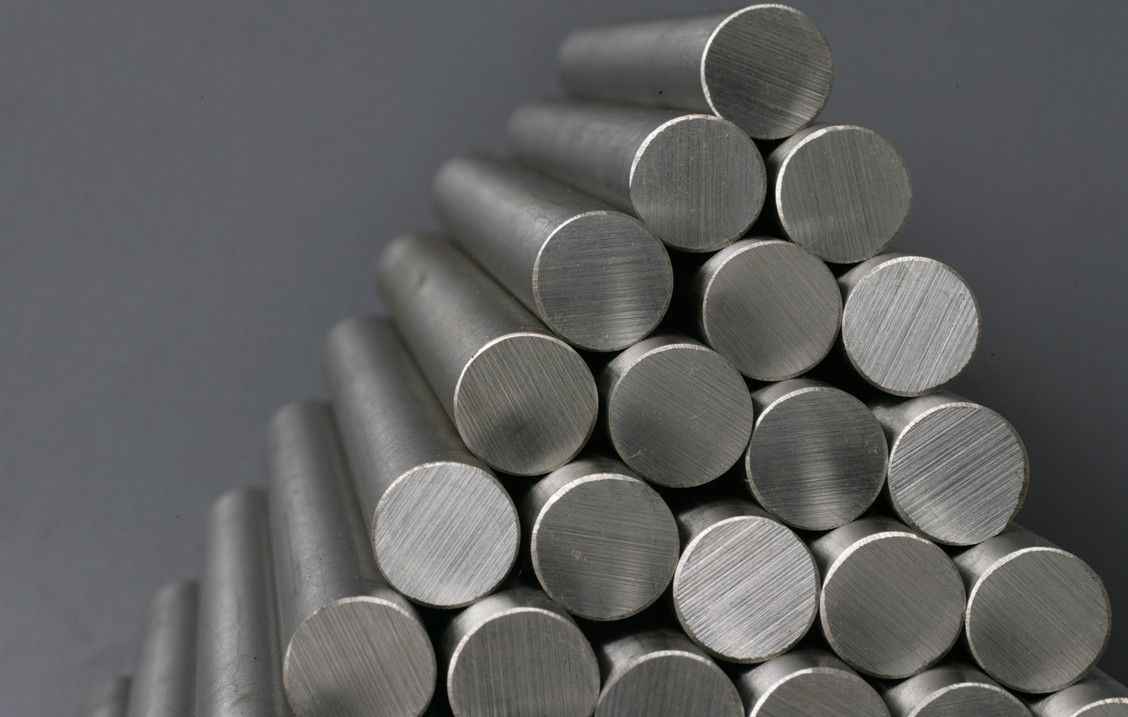
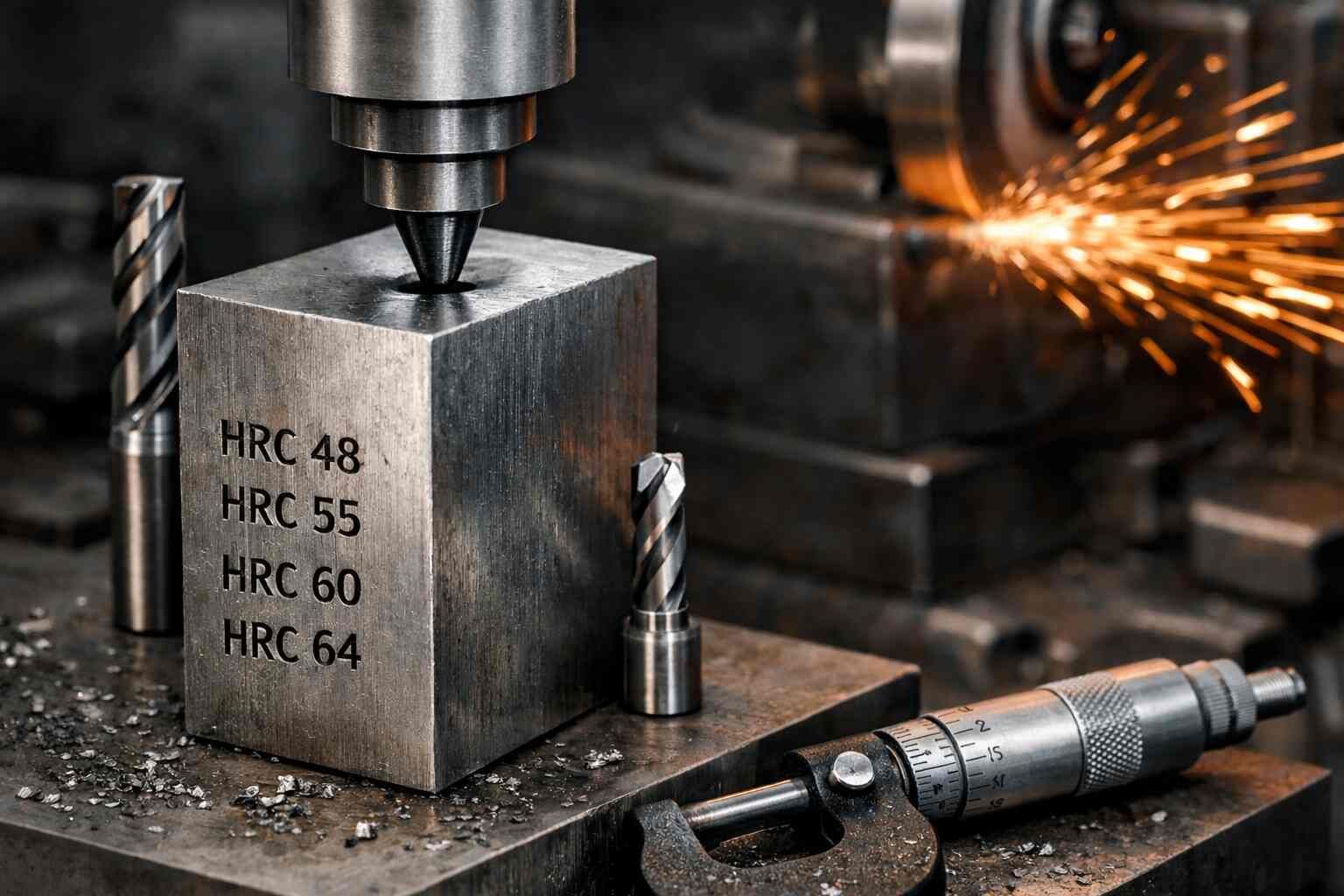
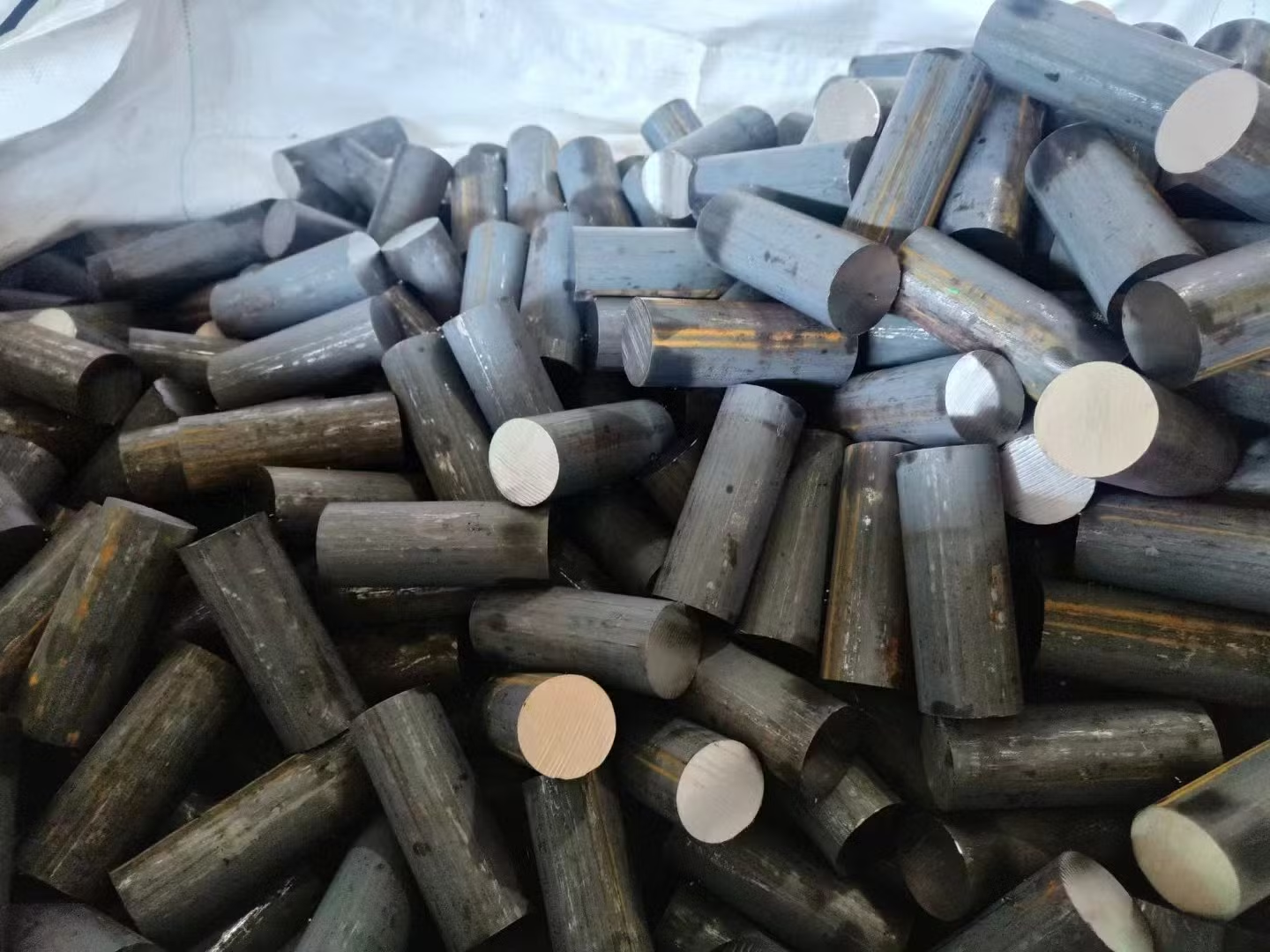
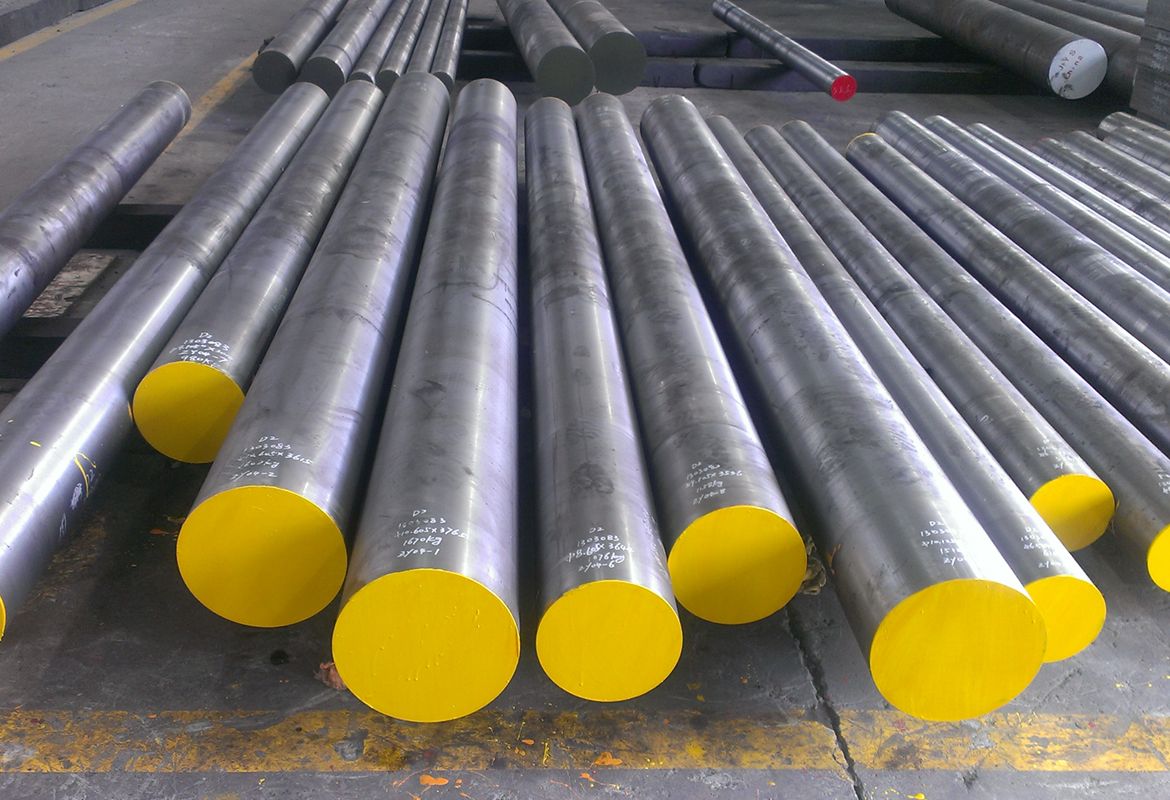
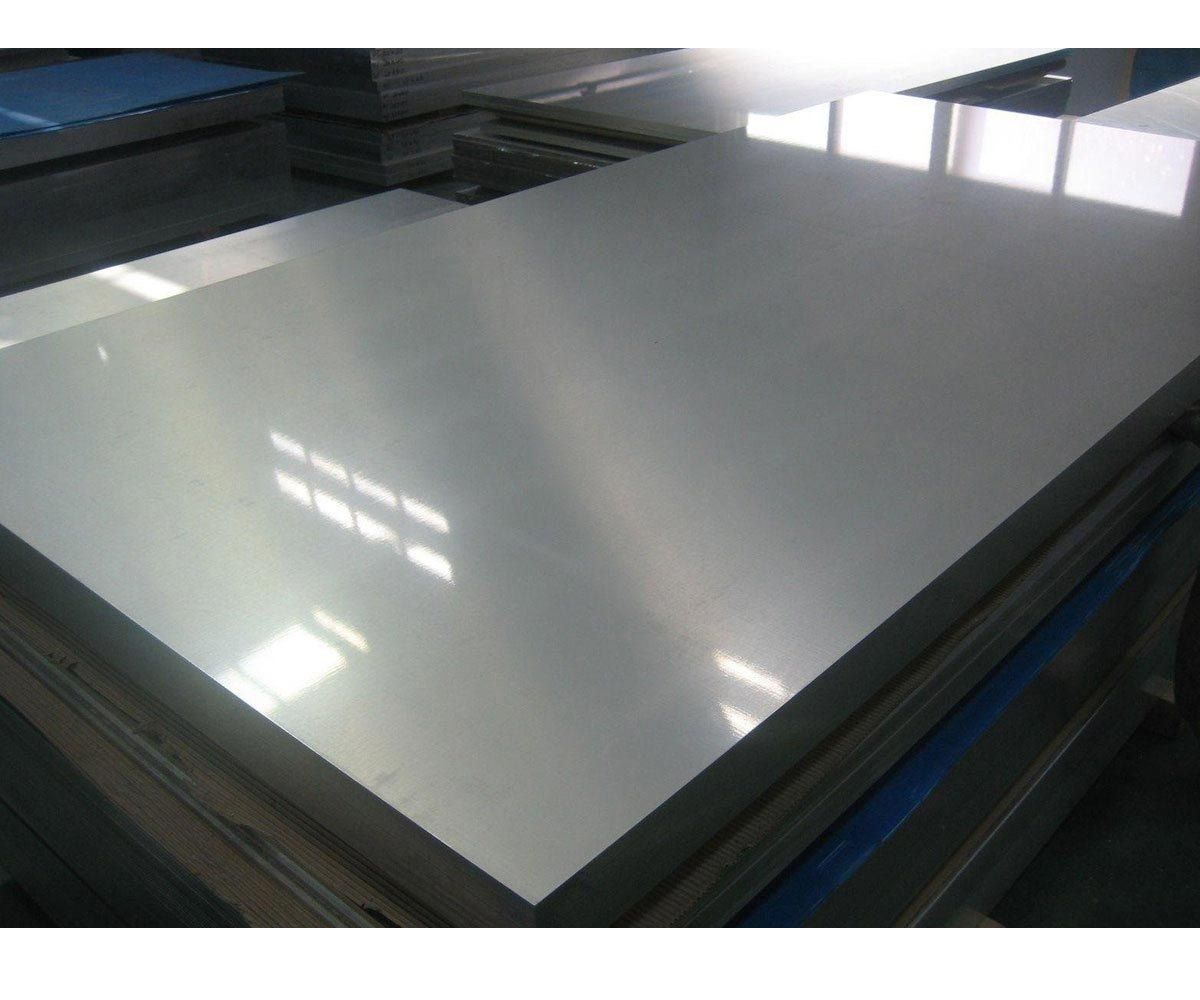
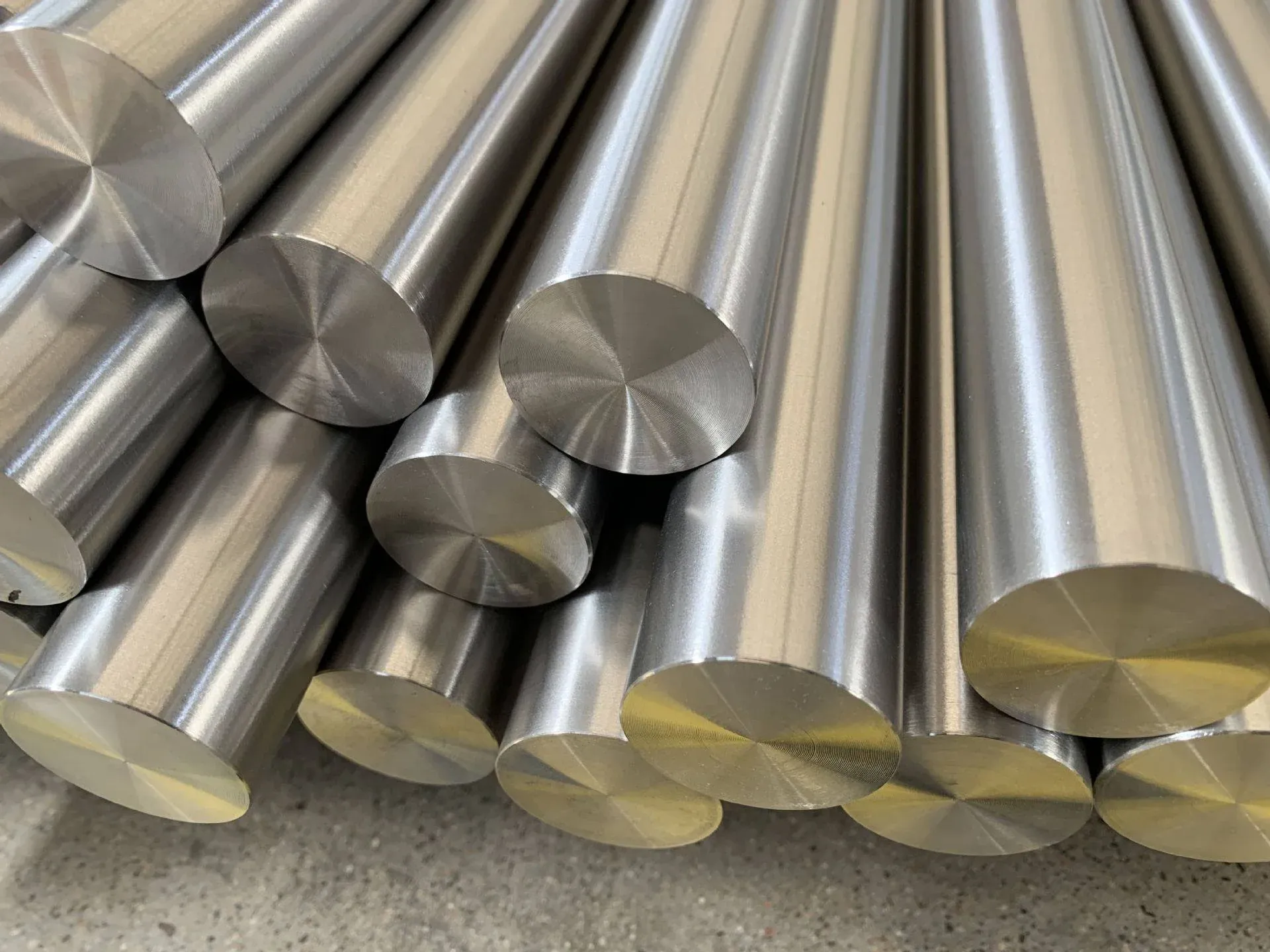
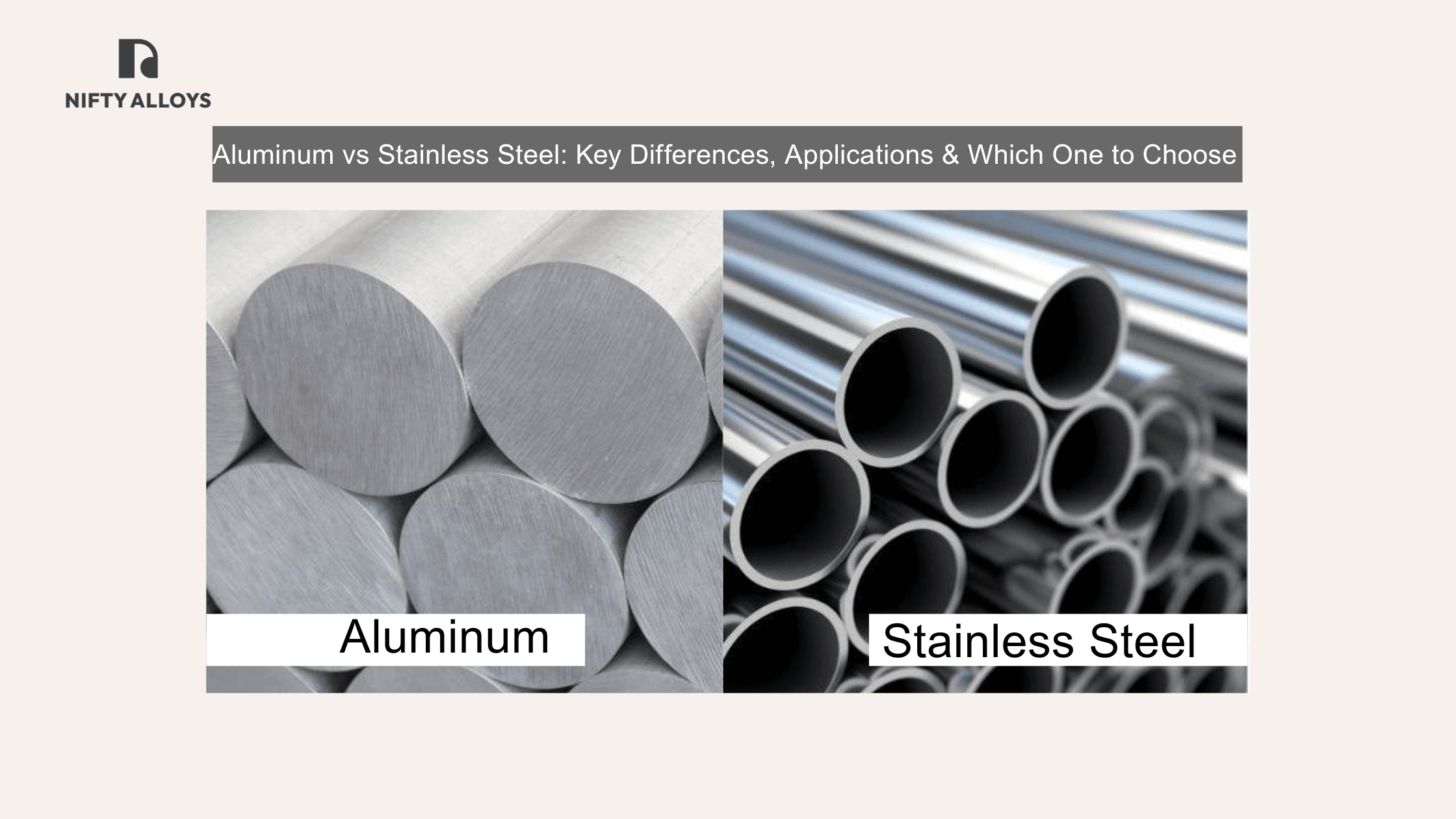
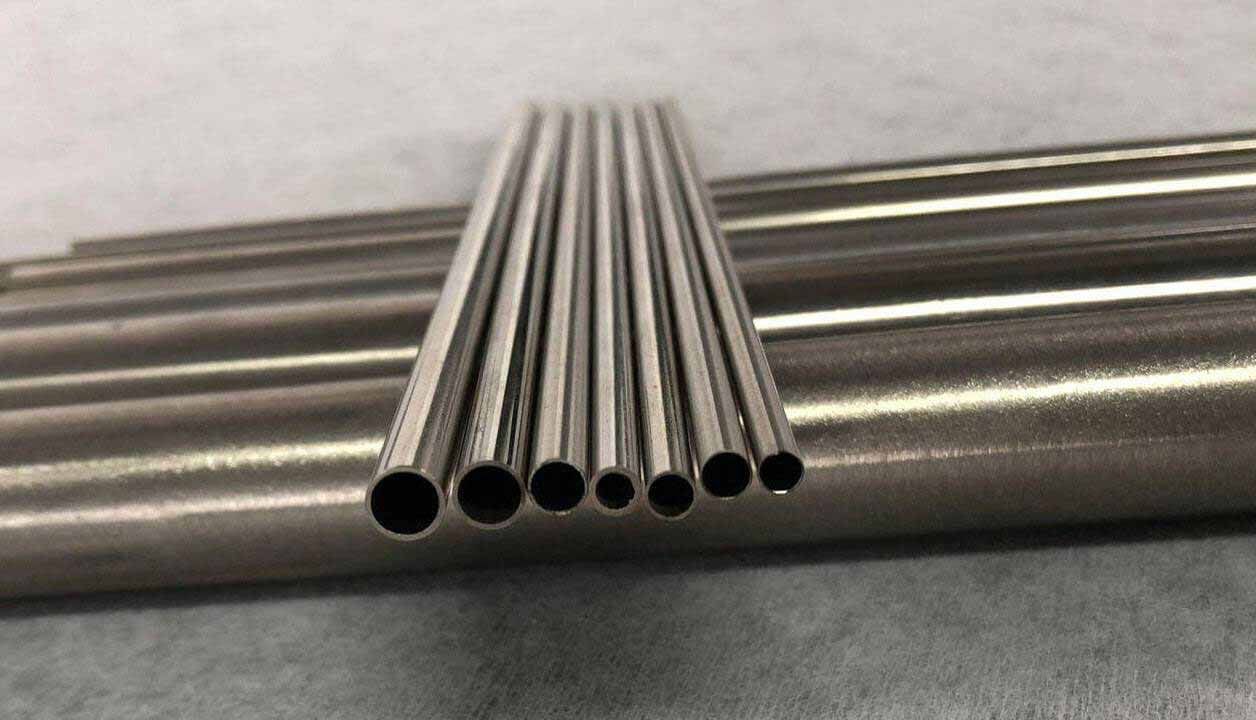
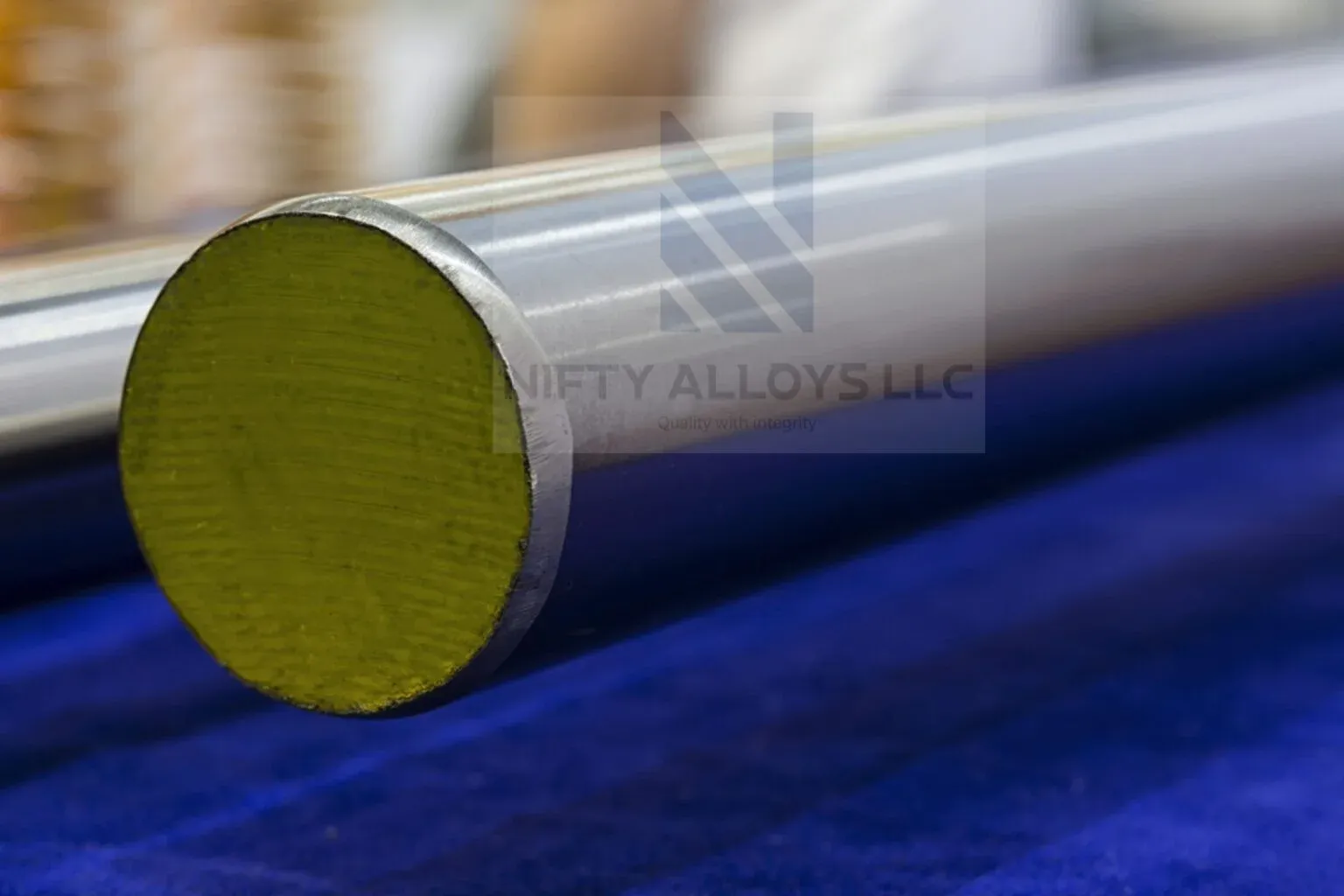
Stainless steel is a high-performance material whose properties of corrosion resistance, strength, and durability make it fundamental to modern industry. From the austenitic grades used in food processing to the robust duplex steels specified for oil pipelines, each type offers a unique solution for specific engineering challenges.
To ensure the success and longevity of your projects, partnering with an expert supplier is essential. As premier stainless steel suppliers in Sharjah and across the UAE, we are committed to providing certified, high-quality materials that meet your exact specifications. Learn more about our capabilities on our About Stainless Steel Products page, or explore the full UAE Stainless Steel Stock Range for available grades and forms. For project-specific guidance or quotation requests, Contact Us for Stainless Steel Supplies. You can also read about our proven track record across diverse sectors by visiting Industries We Serve. For reliable supply and technical support, contact our stainless steel experts in the UAE.
FAQ section
Q: What is stainless steel made of?
A: Stainless steel is an iron alloy containing a minimum of 10.5% chromium. Most grades also include nickel, manganese, silicon, and small amounts of carbon. Higher-performing grades add molybdenum for pitting resistance, nitrogen for strength, and titanium or niobium for stabilisation at elevated temperatures.
Q: Which stainless steel grade is best for marine use?
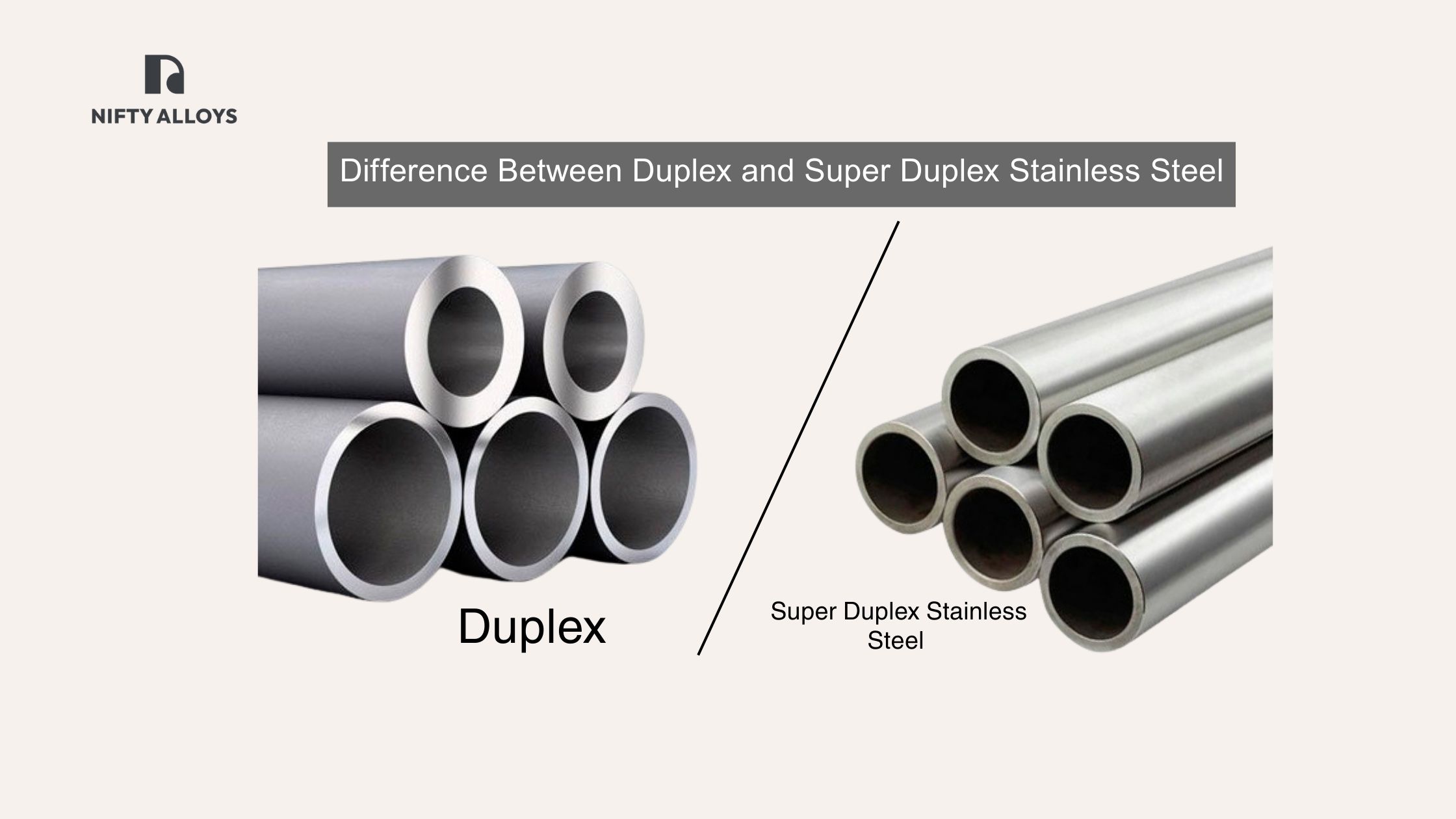
A: 316L is the standard grade for marine applications due to its 2–3% molybdenum content, which significantly improves resistance to pitting and crevice corrosion in chloride environments. For seawater immersion or offshore service, duplex 2205 or super duplex S32760 is recommended.
Q: Is stainless steel magnetic?
A: Austenitic stainless steels (304, 316L, 321) are generally non-magnetic in the annealed condition. Ferritic and martensitic grades (430, 410, 420) are magnetic. Duplex grades are partially magnetic. Cold working can induce some magnetism in austenitic grades. A magnet test alone is not sufficient to identify a grade.
Q: What is the difference between 304 and 316 stainless steel?
A: 316 stainless steel contains 2–3% molybdenum, which 304 does not. This gives 316 significantly better resistance to pitting and crevice corrosion, particularly in chloride-rich environments such as marine, offshore, and chemical processing service. 316L is the low-carbon variant used for welded assemblies.