To provide immediate answers to common questions from engineers and procurement specialists, this section addresses the most frequent inquiries about Inconel 718.
What is Inconel 718 used for?
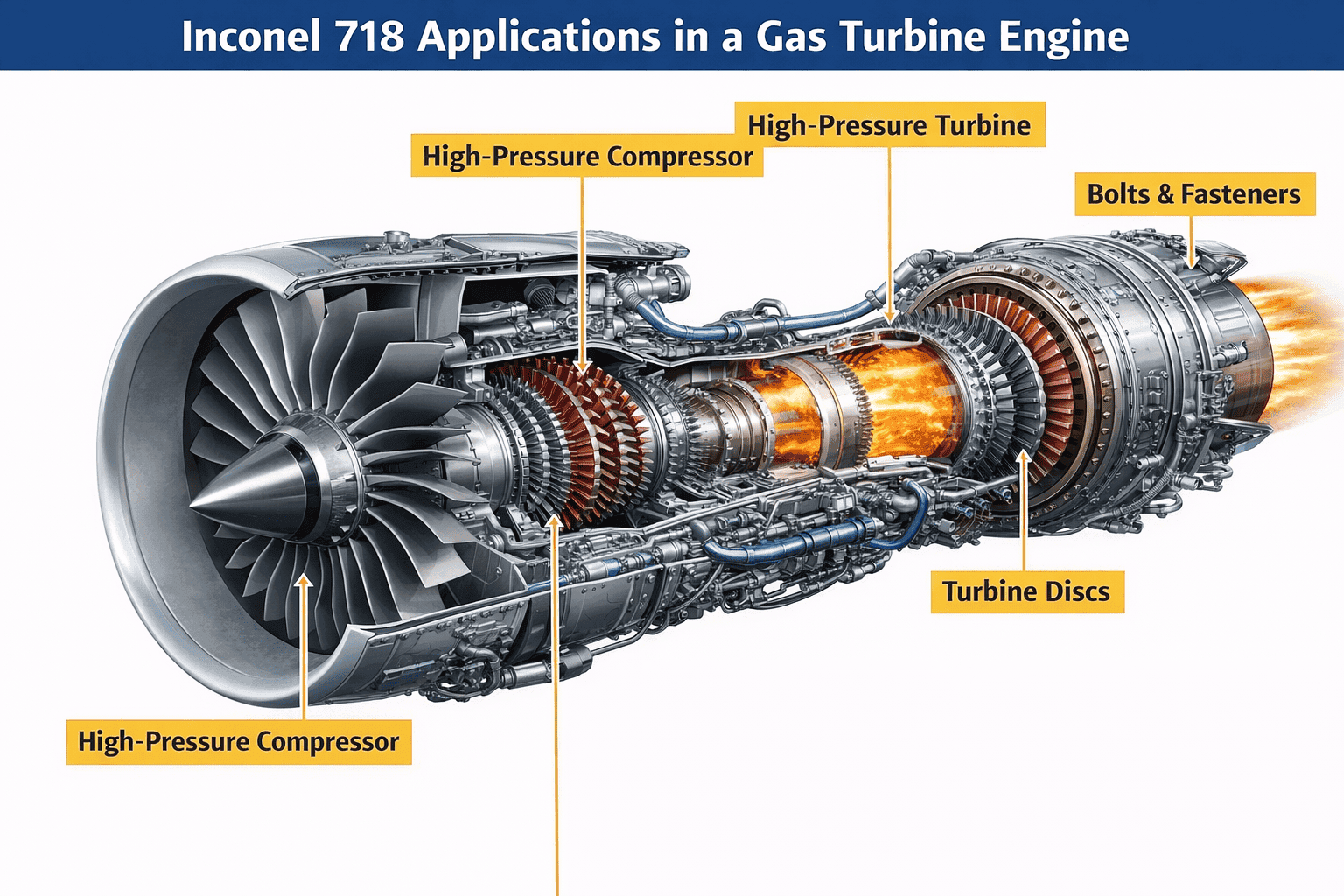
- Inconel 718 is primarily used for high-stress, high-temperature applications. Common uses include gas turbine engine components like discs and blades, rocket motors, nuclear reactors, downhole shafts in the oil and gas industry, and high-strength bolting.
Is Inconel 718 magnetic?
- No, Inconel 718 is non-magnetic. Its austenitic crystal structure, which is maintained from cryogenic temperatures up to its melting point, makes it non-magnetic even after severe cold working.
Does Inconel 718 rust?
- No, Inconel 718 does not rust in the conventional sense. It exhibits outstanding corrosion resistance in a wide range of environments, including resistance to pitting, crevice corrosion, and stress-corrosion cracking, particularly in chloride- and sulfide-containing settings.
How hard is Inconel 718 to machine?
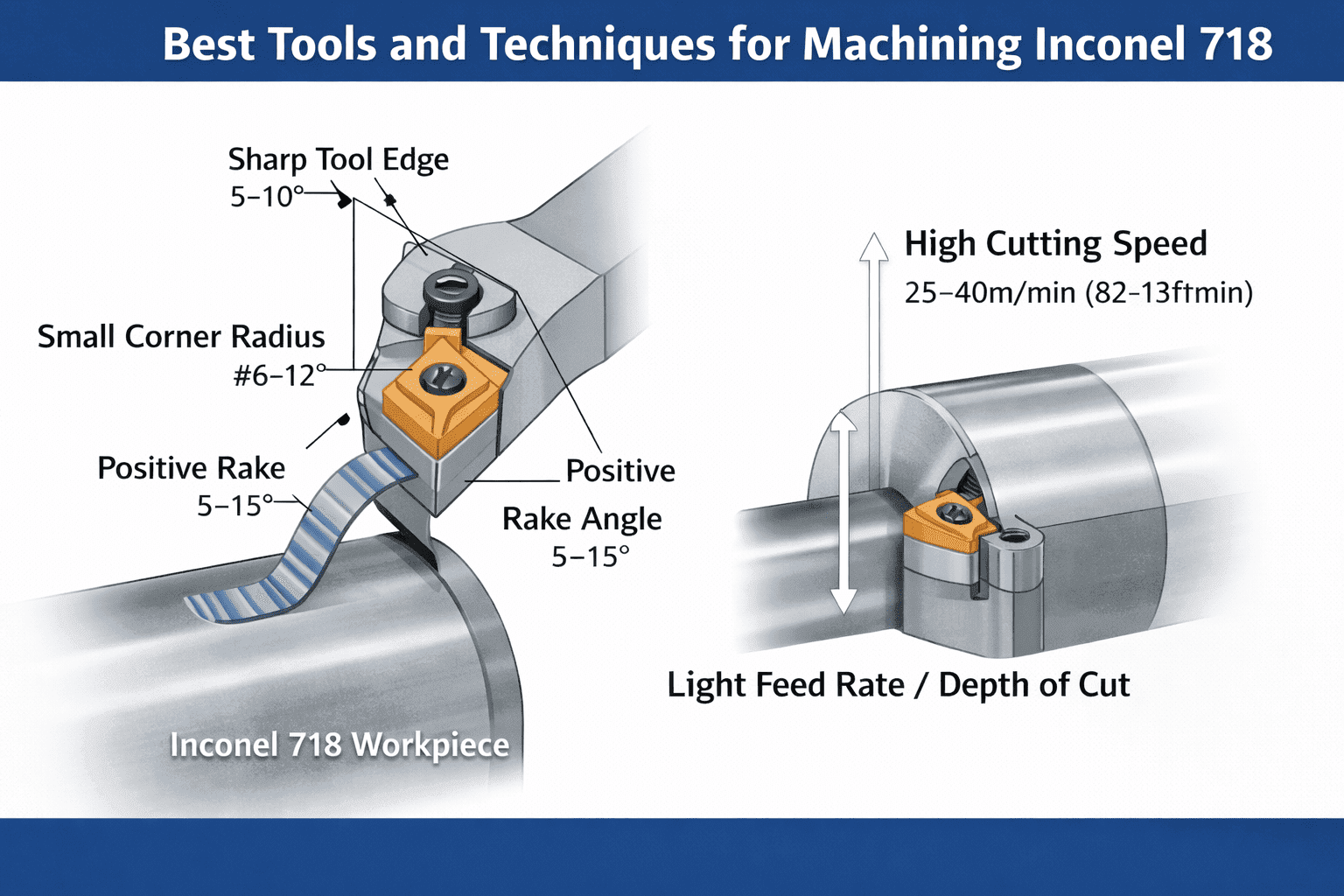
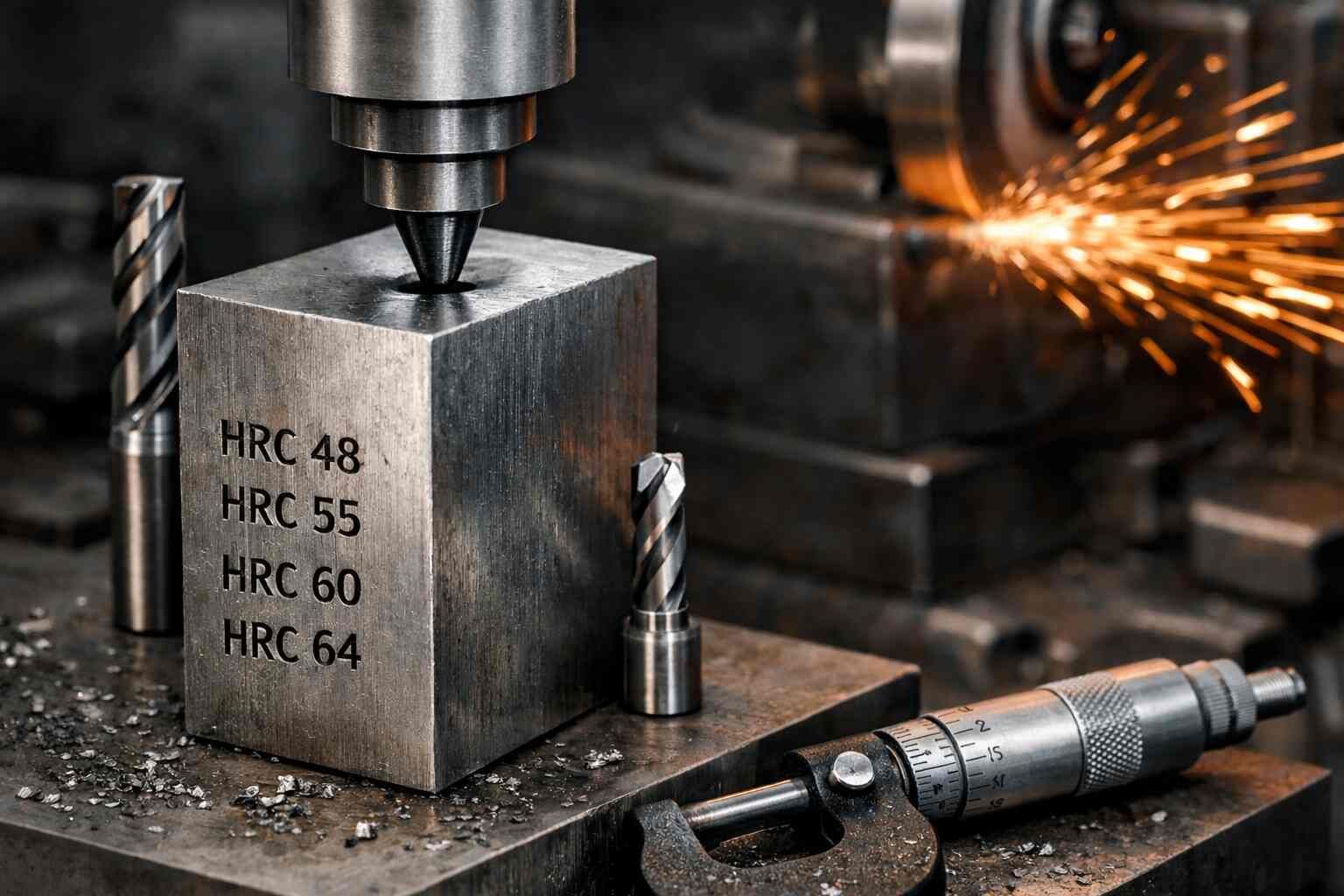
- Machining Inconel 718 is very challenging. It has a high tendency to work-harden rapidly, which requires rigid machine setups, low cutting speeds, high-pressure coolants, and sharp, durable tooling, typically made from carbide.
What is the difference between Inconel 718 and 625?
- The main difference is that Inconel 718 is precipitation-hardenable and offers significantly higher tensile and creep-rupture strength up to 700°C. Inconel 625 is solid-solution strengthened and provides superior corrosion and oxidation resistance, especially at higher temperatures. You can learn more in our detailed comparison of Inconel 625 (UNS N06625).
What is the heat treatment for Inconel 718?
- The standard heat treatment for Inconel 718 involves a solution anneal followed by a two-step precipitation aging process. A typical cycle is solution annealing at 925-1010°C, followed by aging at 720°C for 8 hours, furnace cooling, and a final age at 620°C for another 8 hours to develop its high-strength properties.
Is Inconel 718 weldable?
- Yes, Inconel 718 is readily weldable, especially in the annealed condition. Common methods include Gas Tungsten Arc Welding (GTAW) and Plasma Arc Welding (PAW). Post-weld heat treatment is necessary to maintain strength and prevent age-cracking.
What is the density of Inconel 718?
- The density of Inconel 718 is 8.19 g/cm³ (0.296 lb/in³). This is an important property for calculating weight in aerospace and other critical applications.
What factors affect the cost of Inconel 718?
- The primary cost driver for Inconel 718 is the market price of its main alloying elements, particularly nickel and niobium. Other factors include the form (bar, plate, etc.), specific certifications required, order volume, and machining or processing complexity.
Where can I buy Inconel 718 in the UAE?
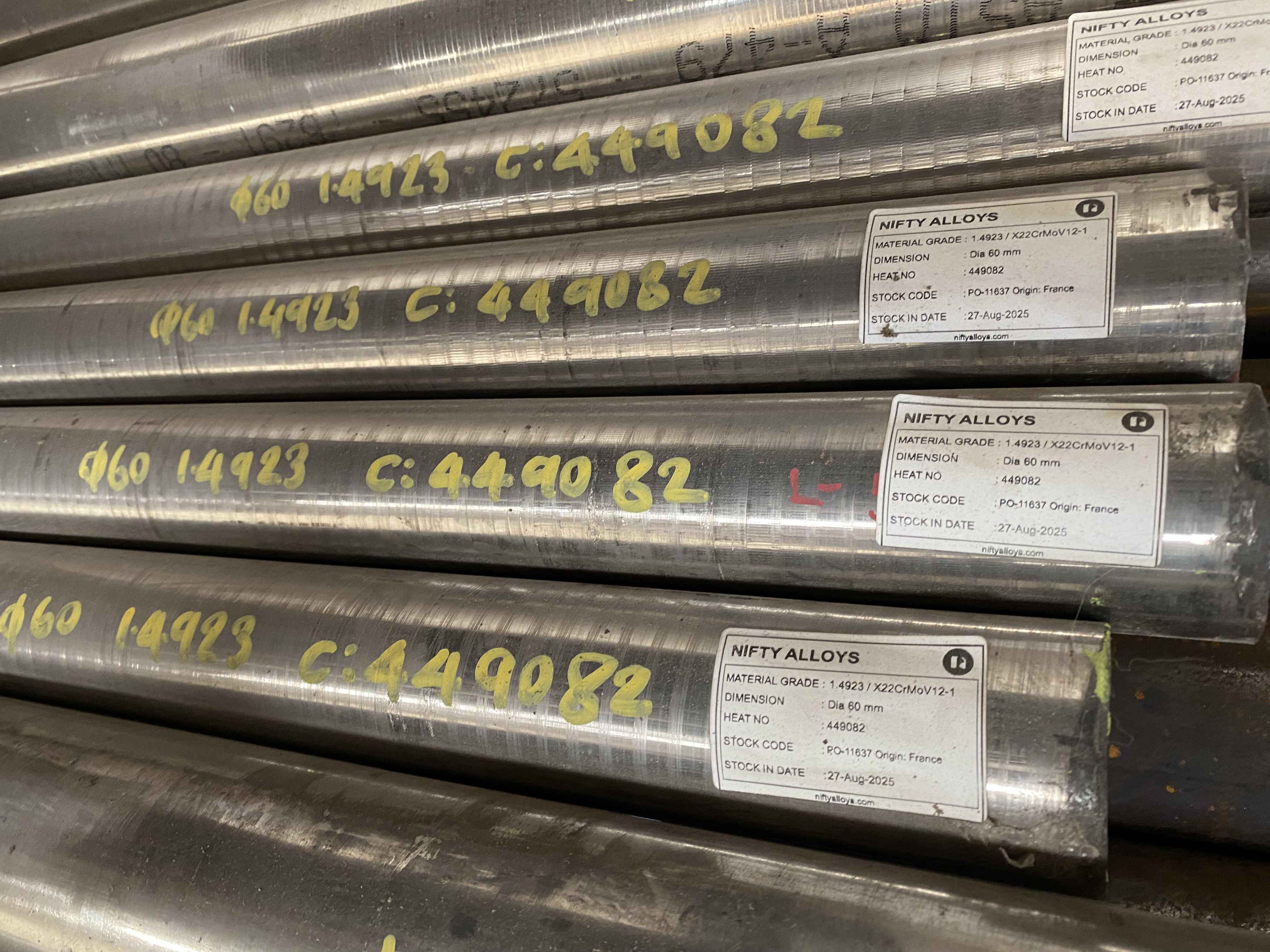
- You can buy certified Inconel 718 stock in various forms from specialized suppliers in the UAE. Nifty Alloys is a leading Dubai-based stockist offering Inconel 718 with full traceability and Mill Test Certificates to meet the demands of local industries.
Conclusion
Inconel 718 (UNS N07718) stands as a premier material for industries where performance under pressure is non-negotiable. Its unmatched combination of high strength, temperature stability, and corrosion resistance secures its place in the most critical applications, from aerospace propulsion to deep-sea energy exploration. The ongoing development in Inconel 718 3D printing further expands its potential, enabling the rapid production of complex, optimized parts for next-generation technologies.
For engineering professionals and procurement managers in the UAE, a reliable supply of certified Inconel 718 is essential for project success. Partnering with a knowledgeablesupplier ensures that your materials meet the exact specifications required for safety and performance. At Nifty Alloys, we are committed to being that partner.