Evaluating potential suppliers requires a systematic approach that goes beyond comparing prices. Consider these factors to build a resilient and trustworthy supply chain for your alloy steel needs.
1. Comprehensive Product Range and Inventory
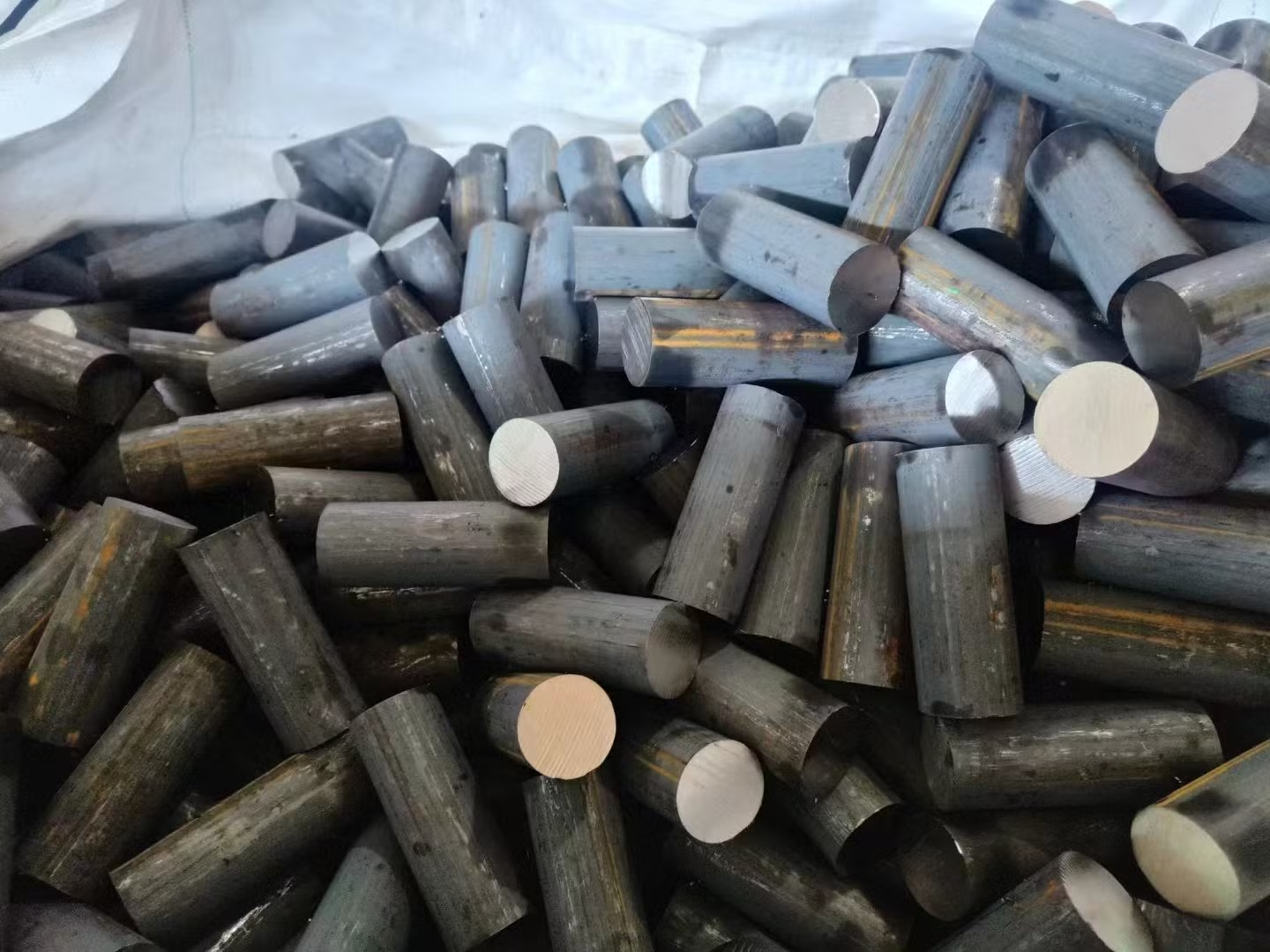
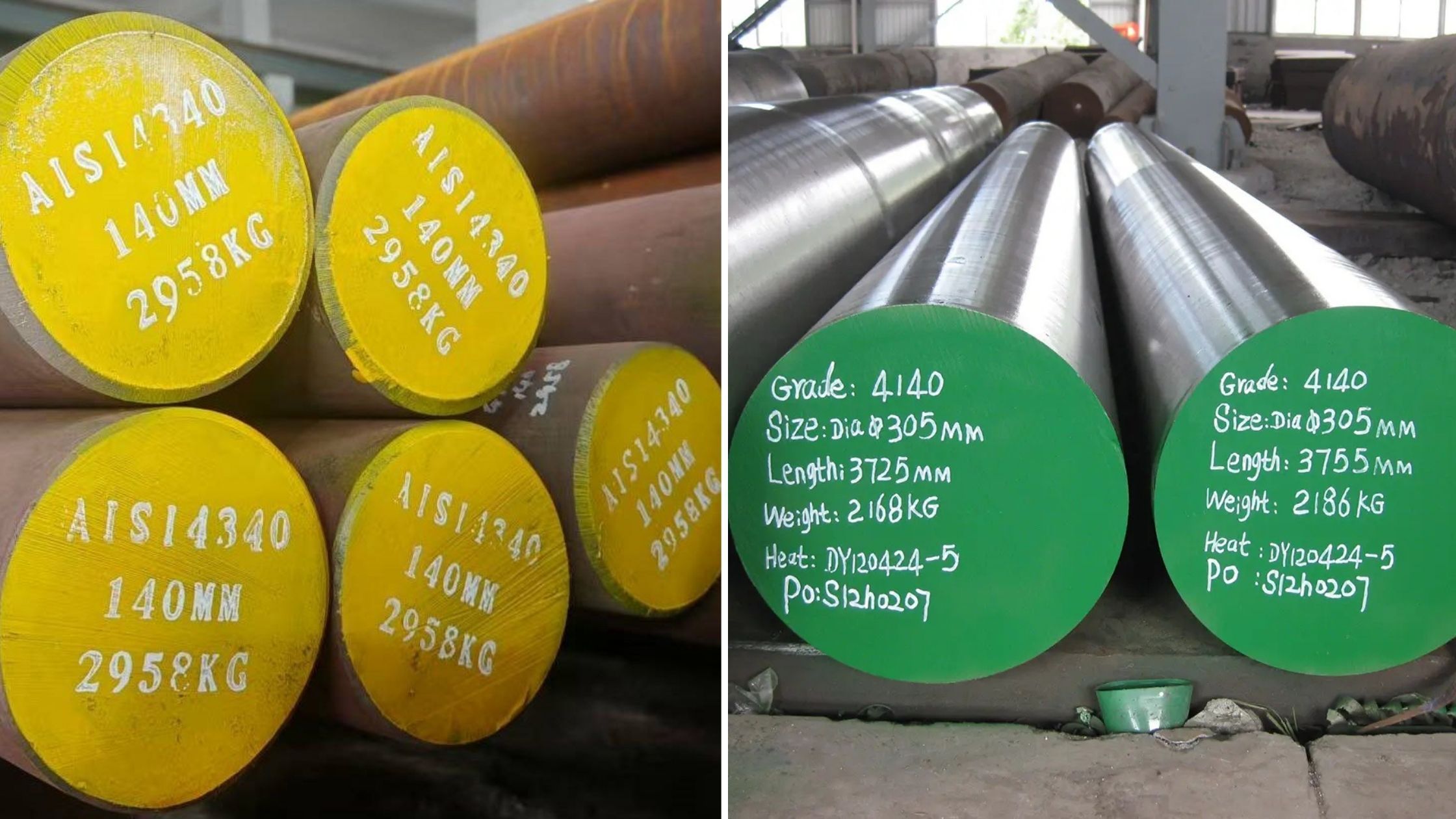
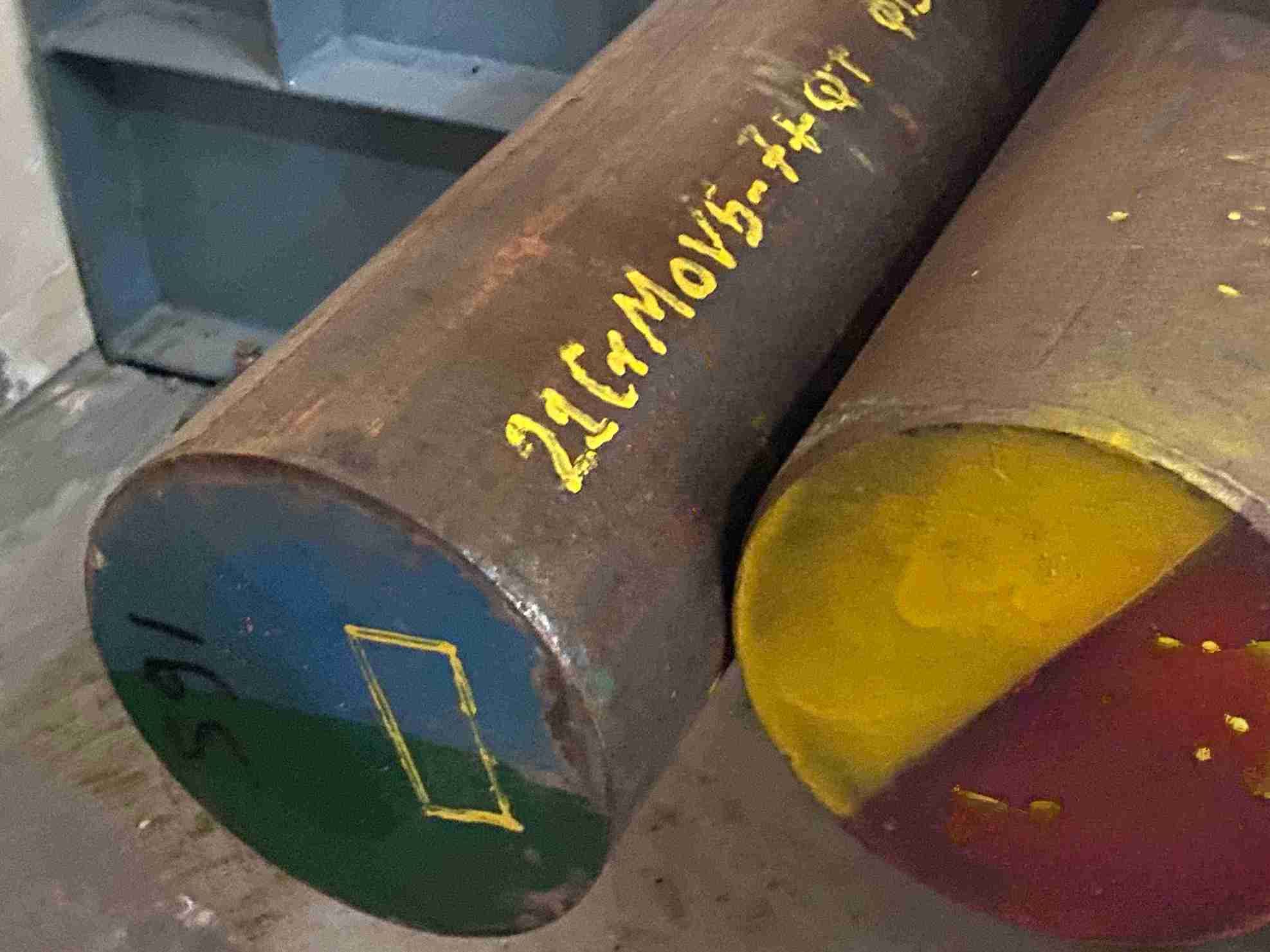
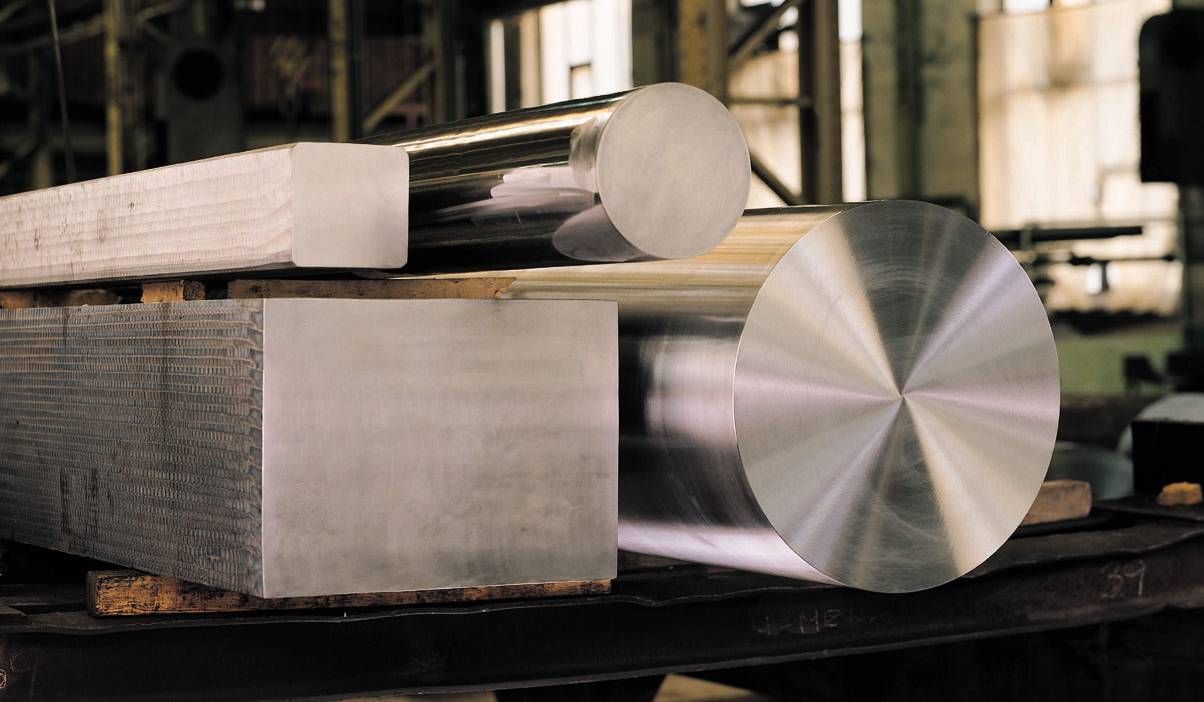
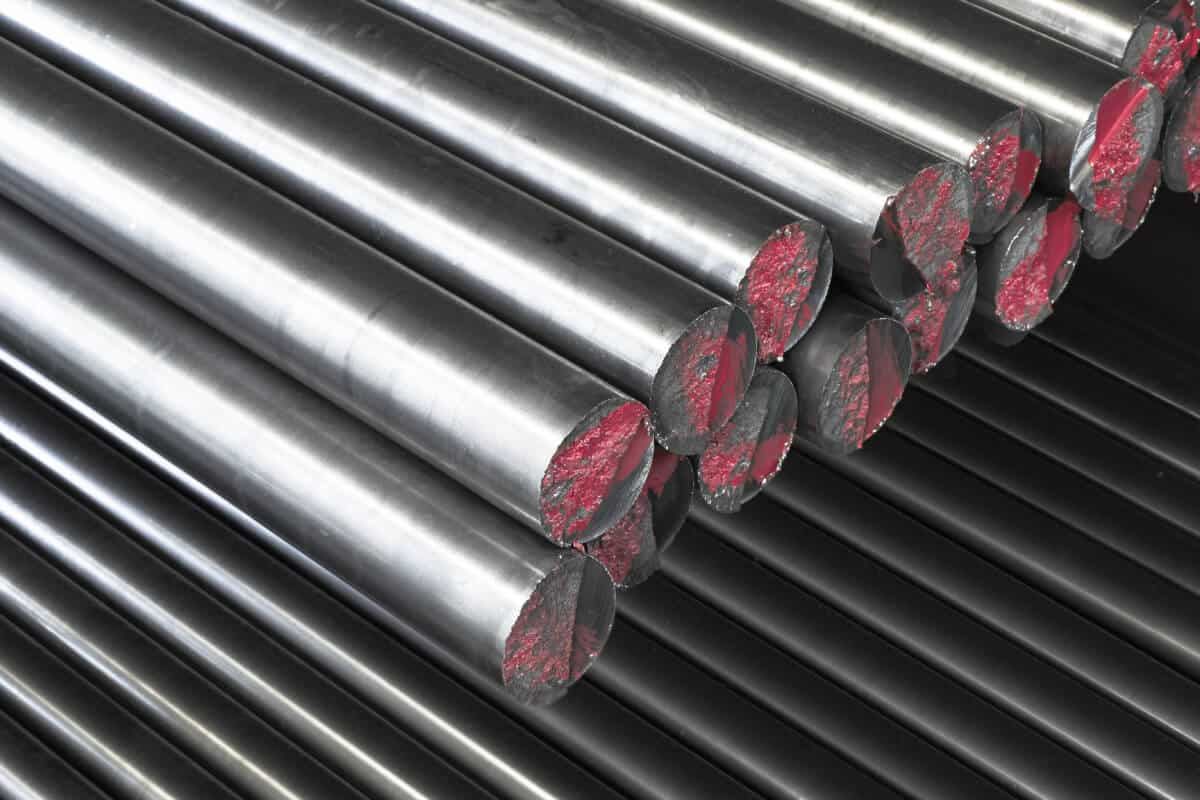
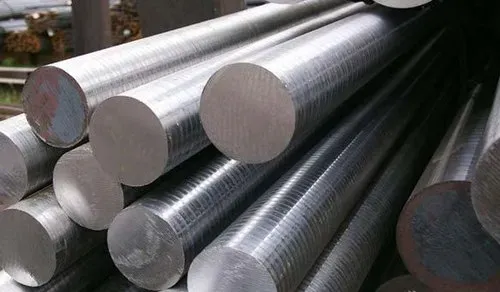
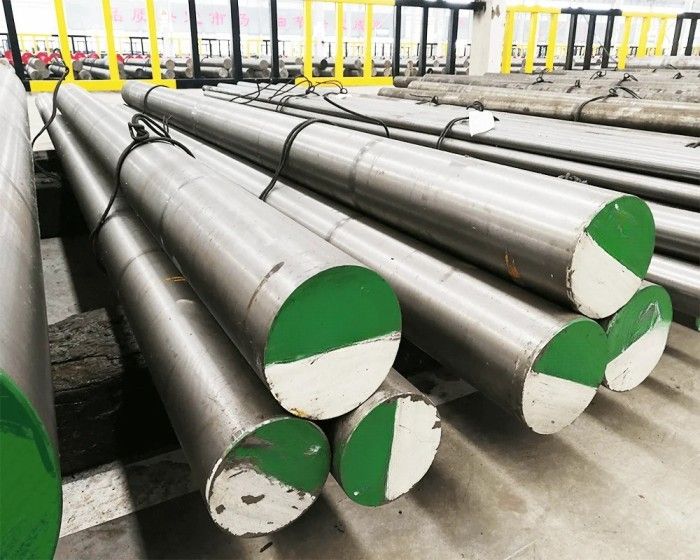
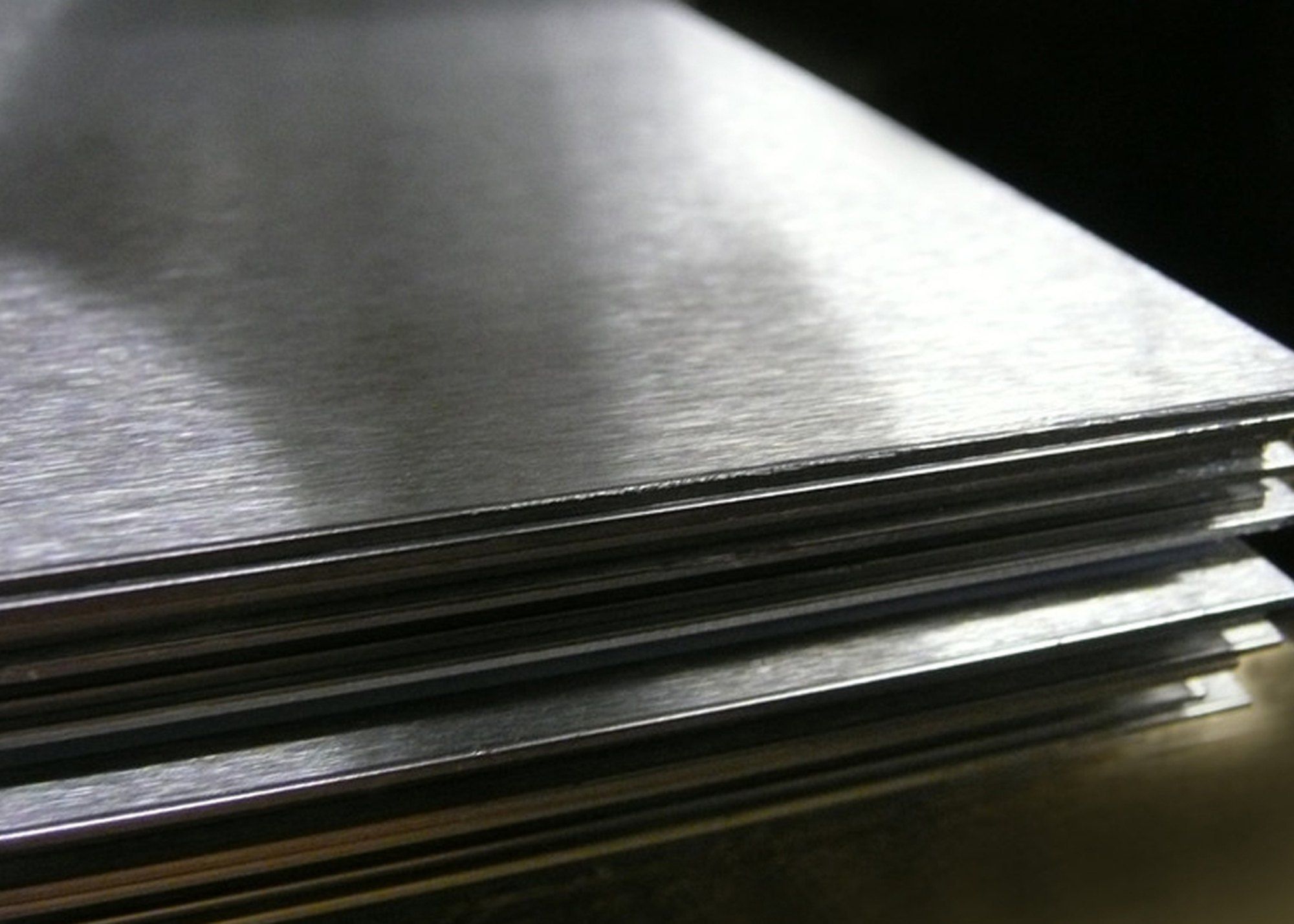
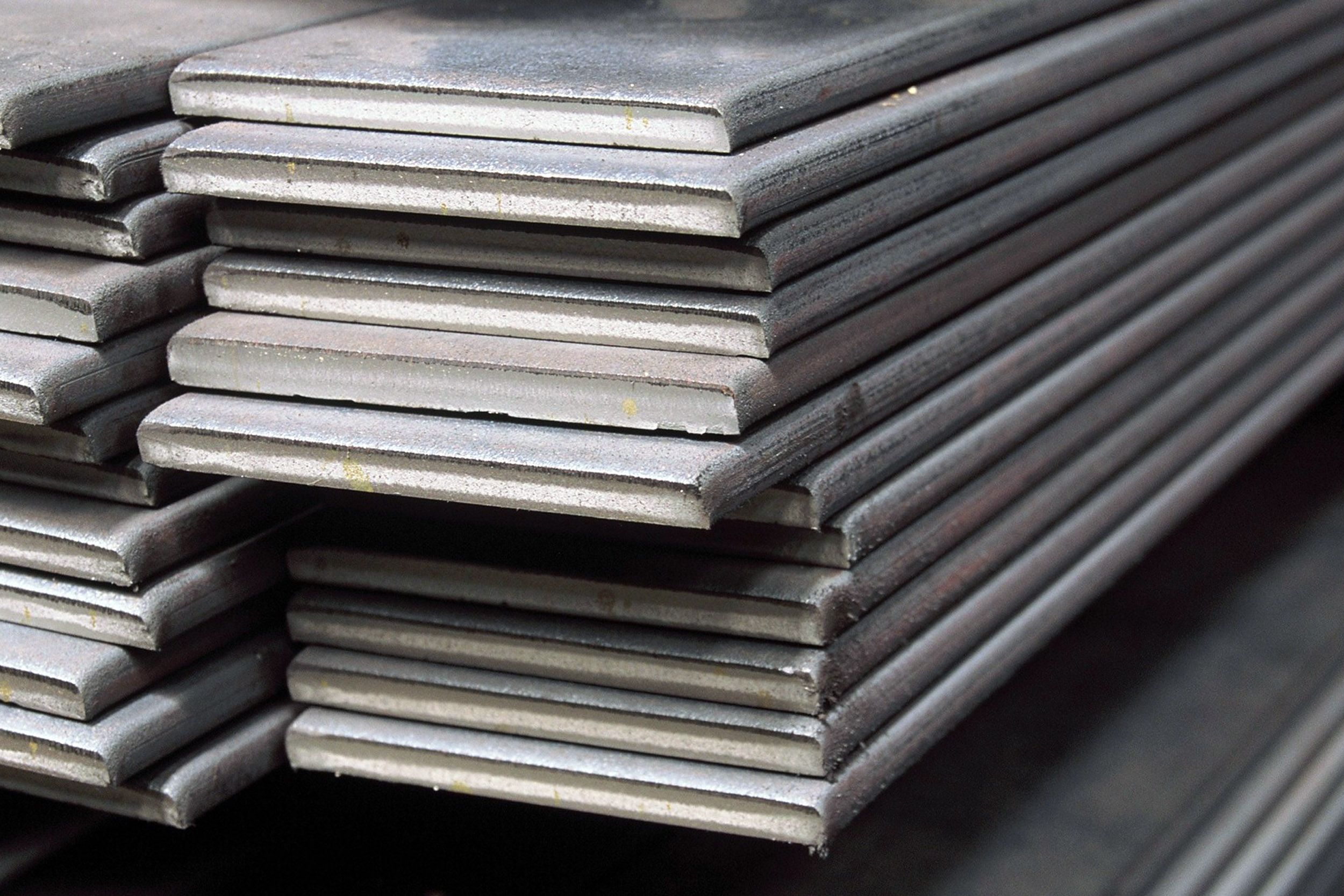
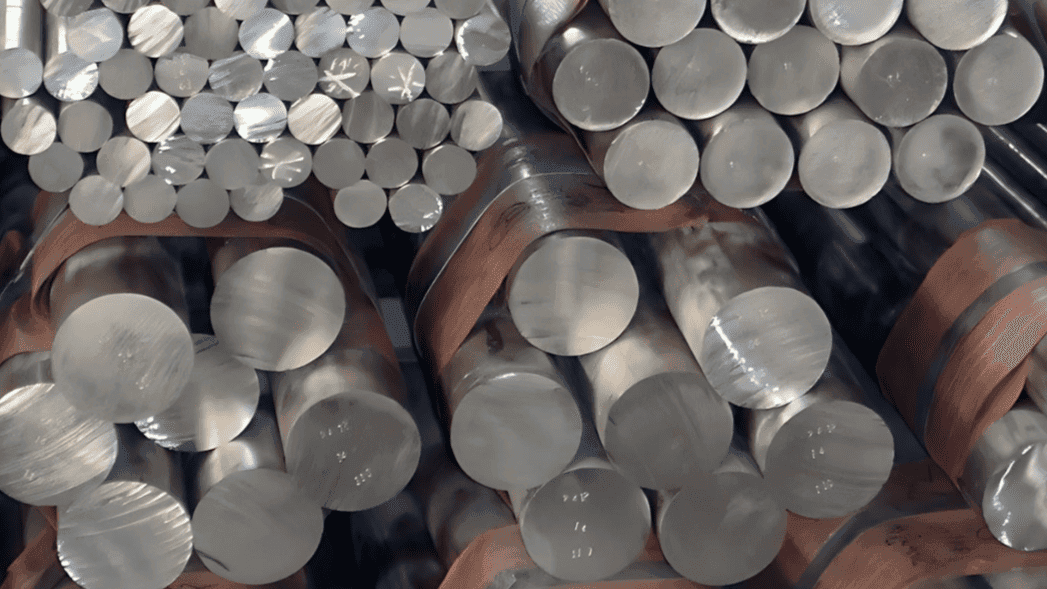
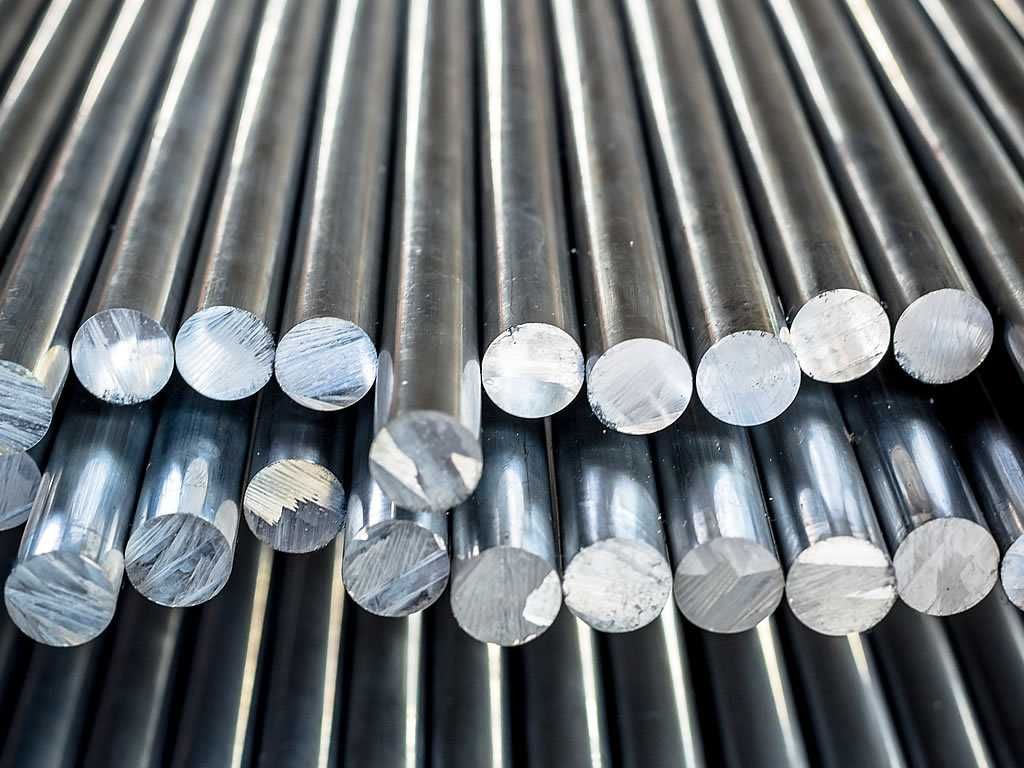
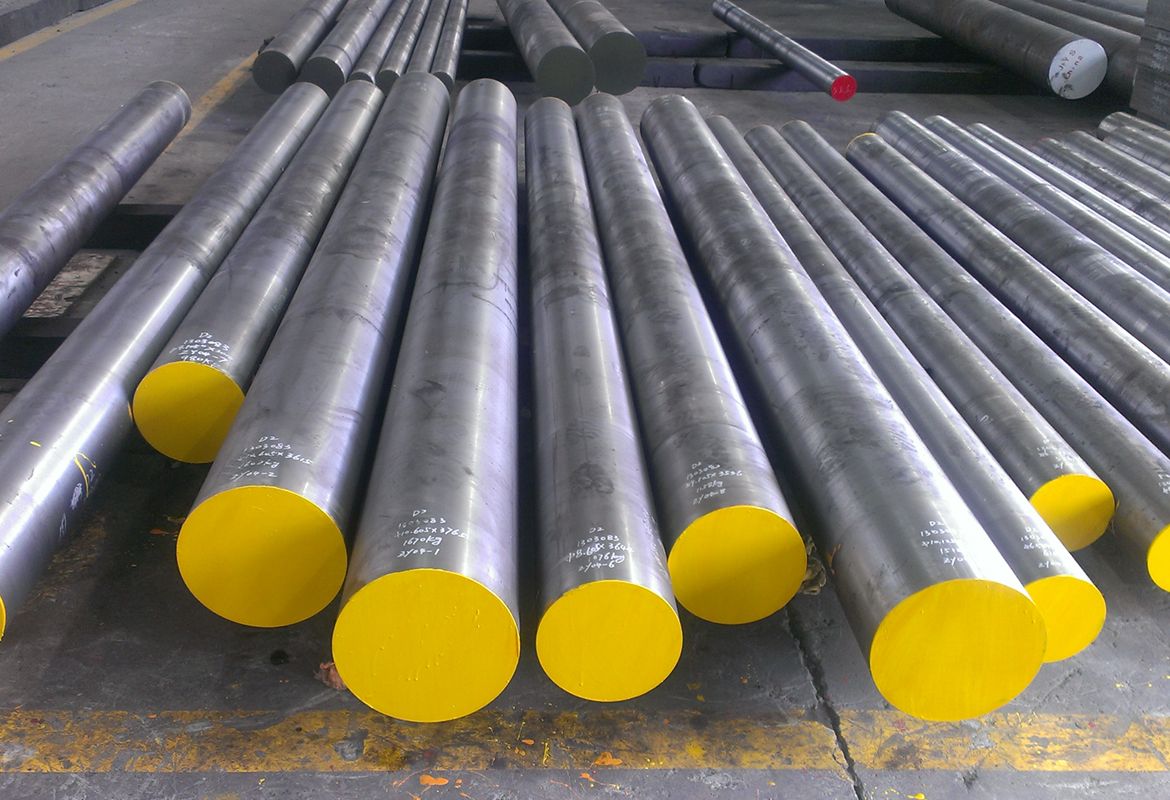
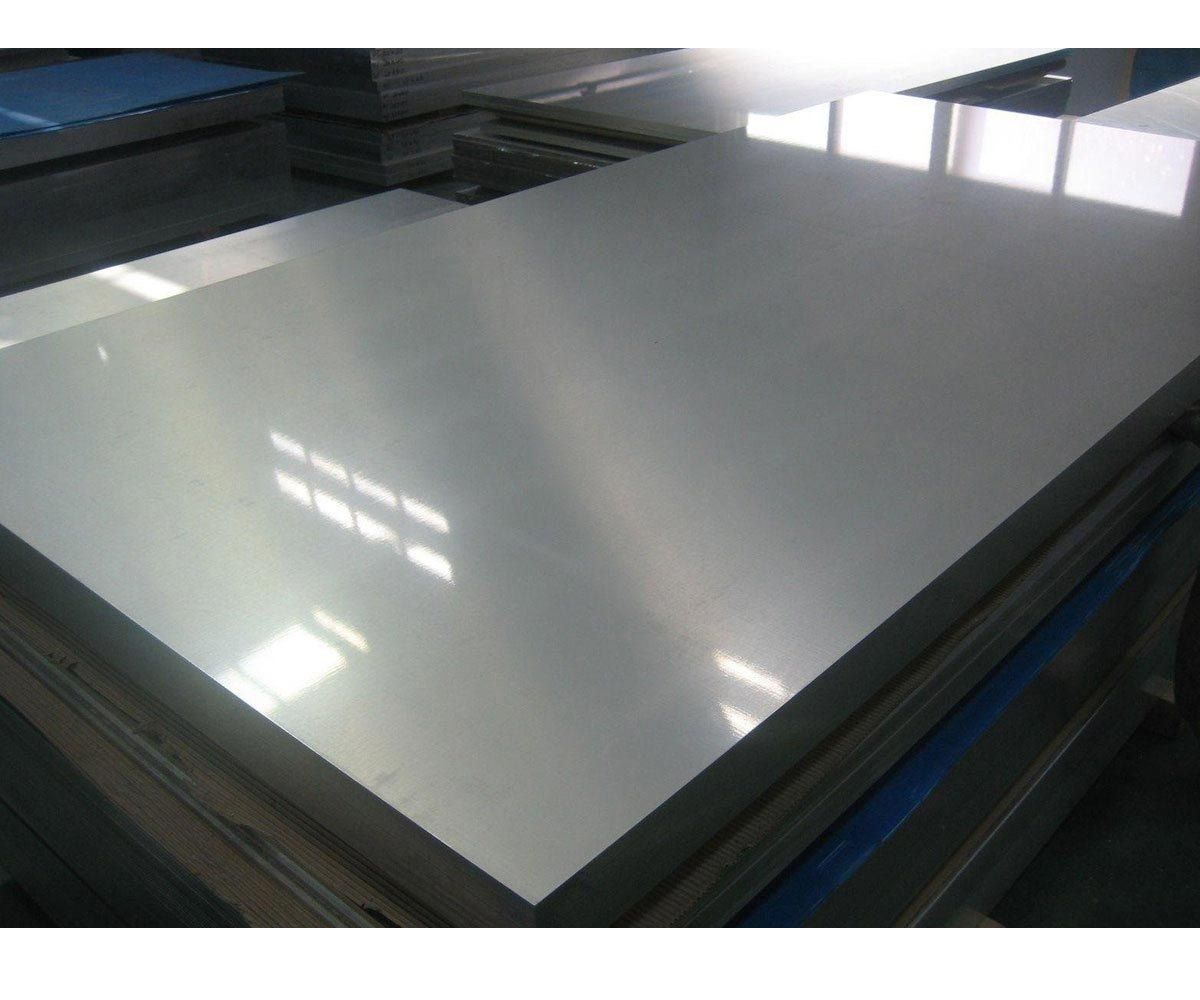
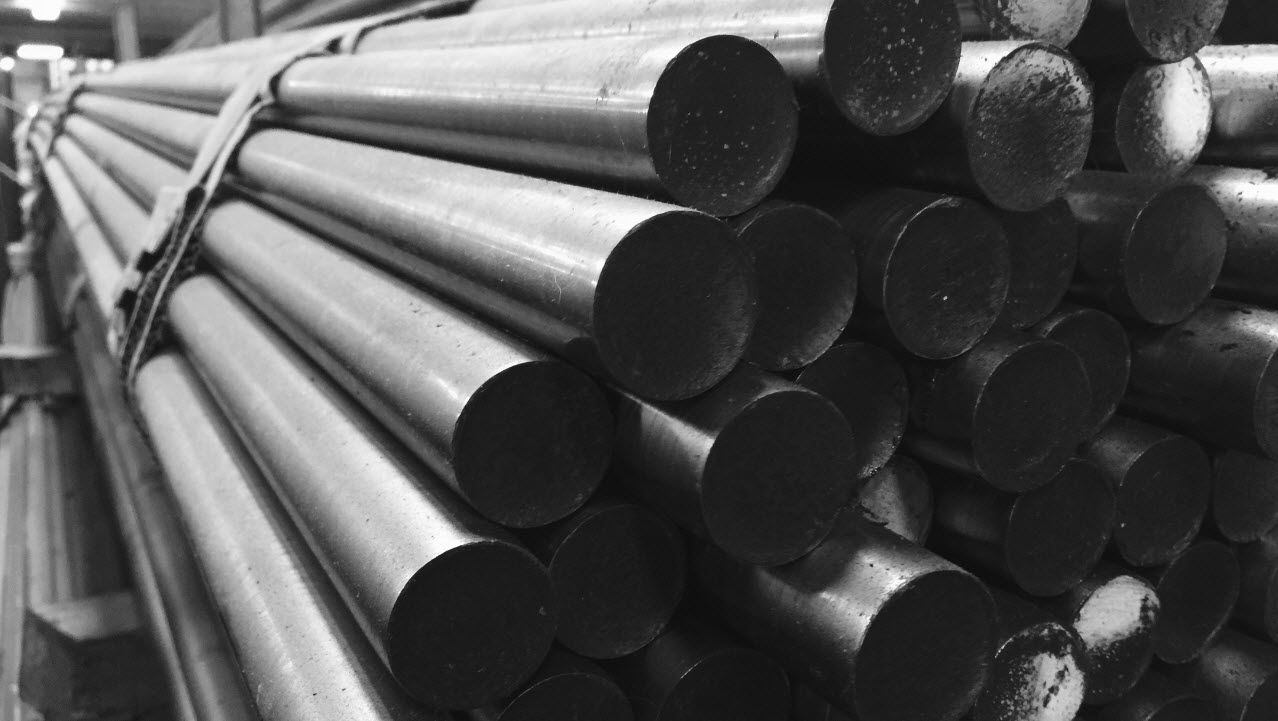
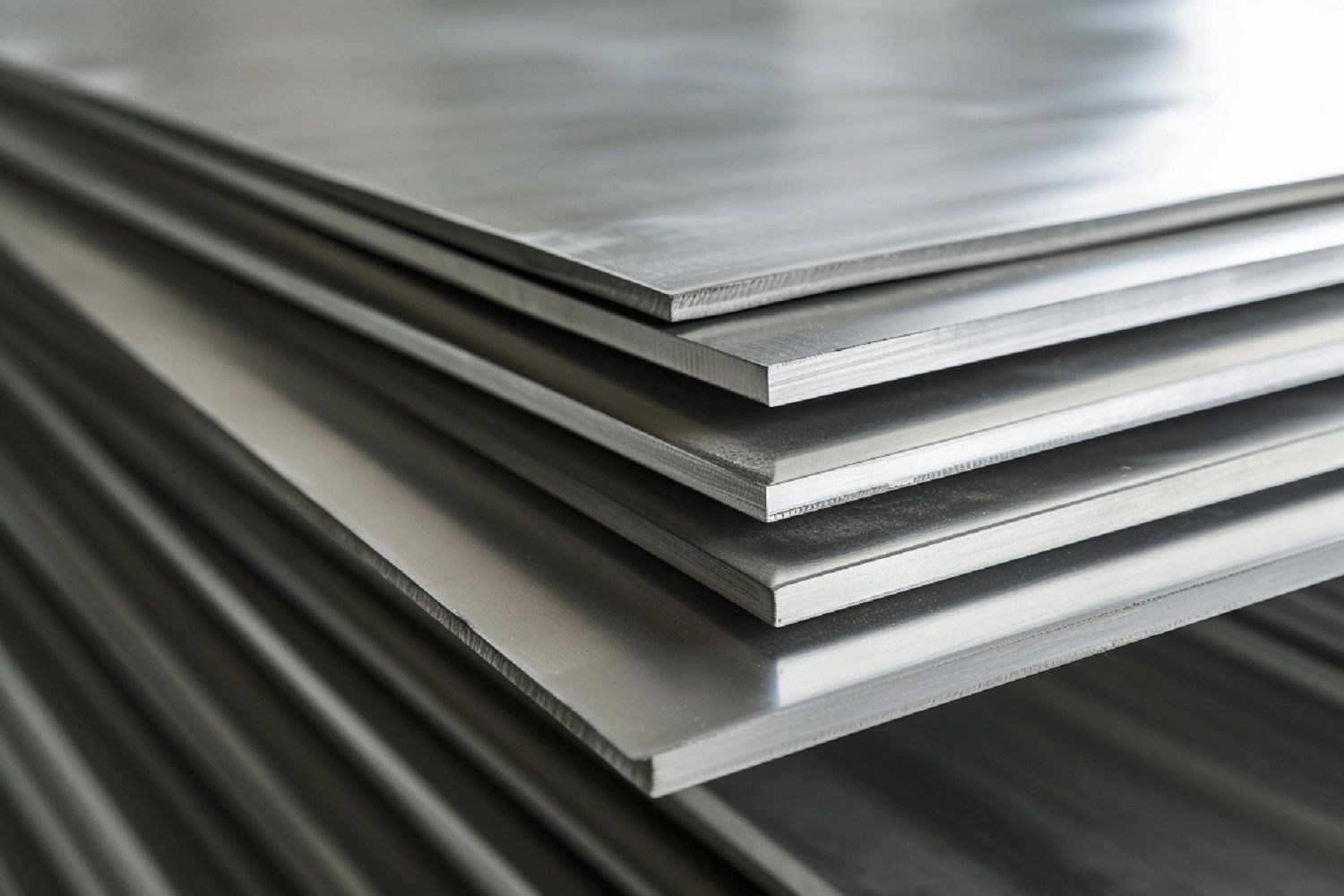
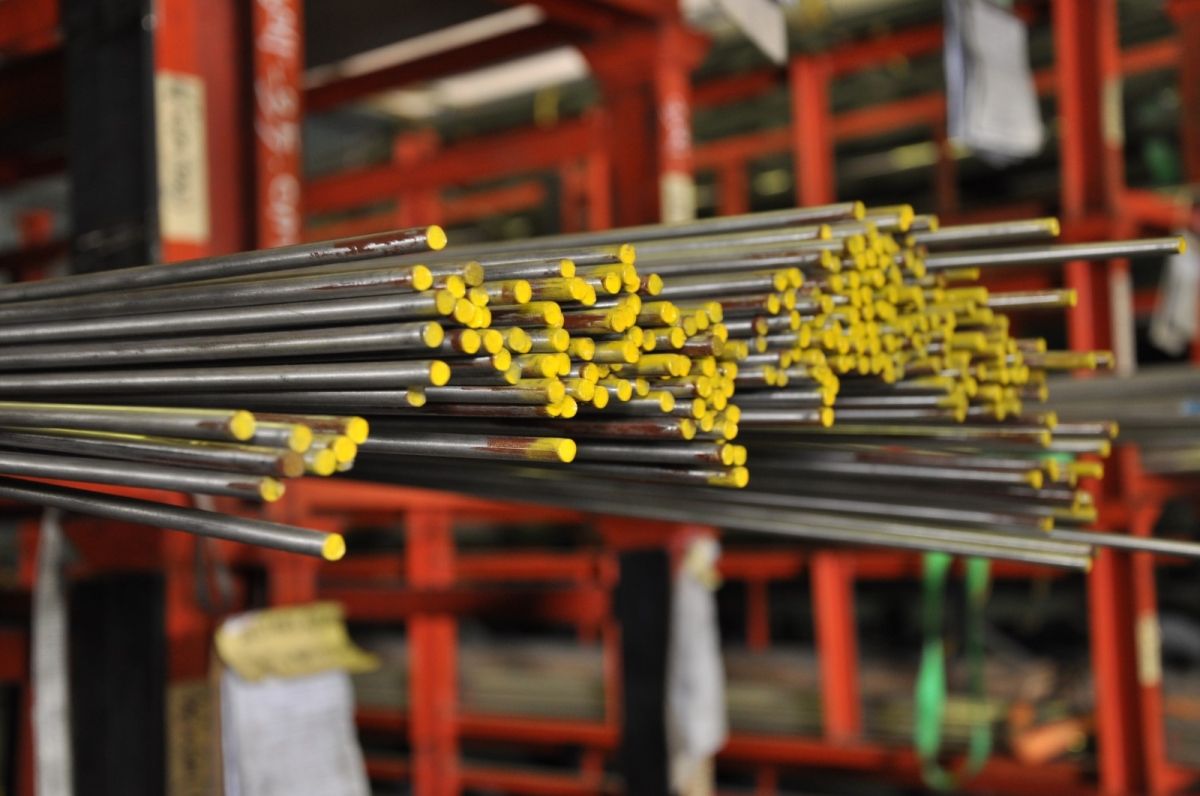
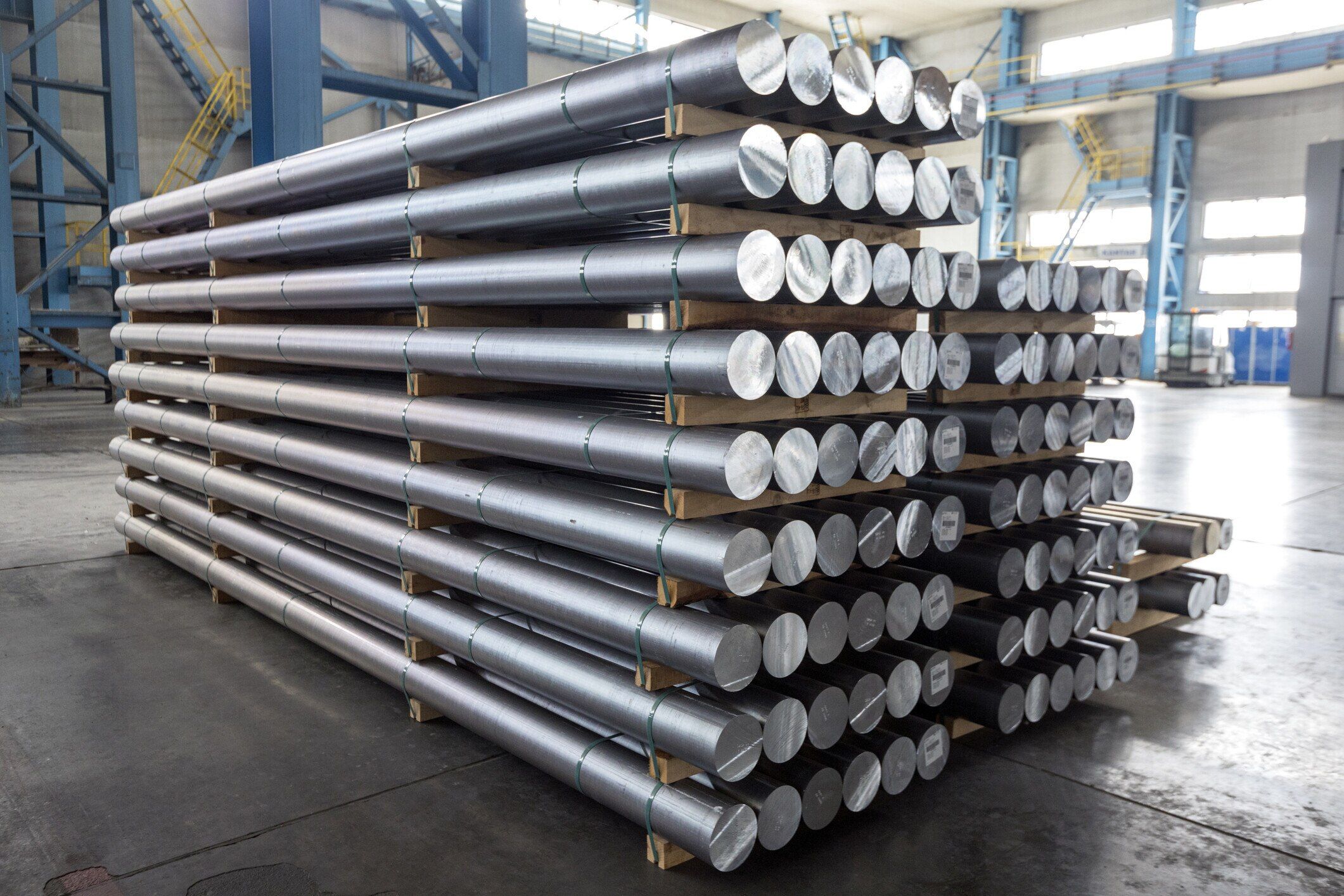
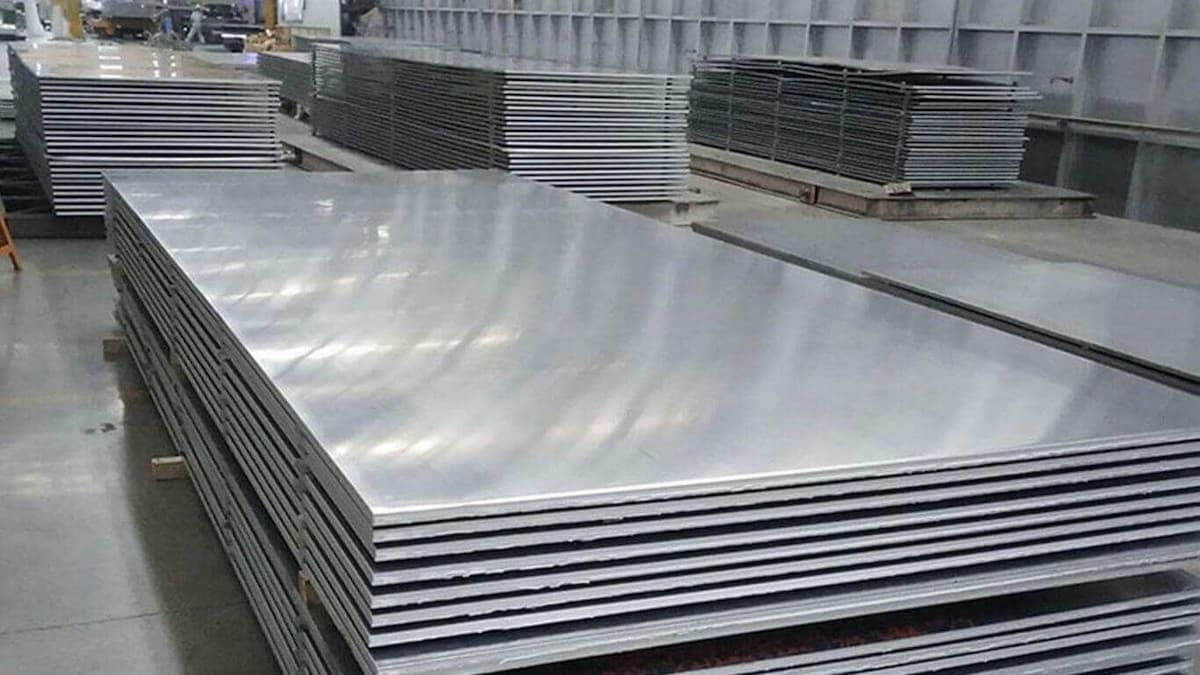
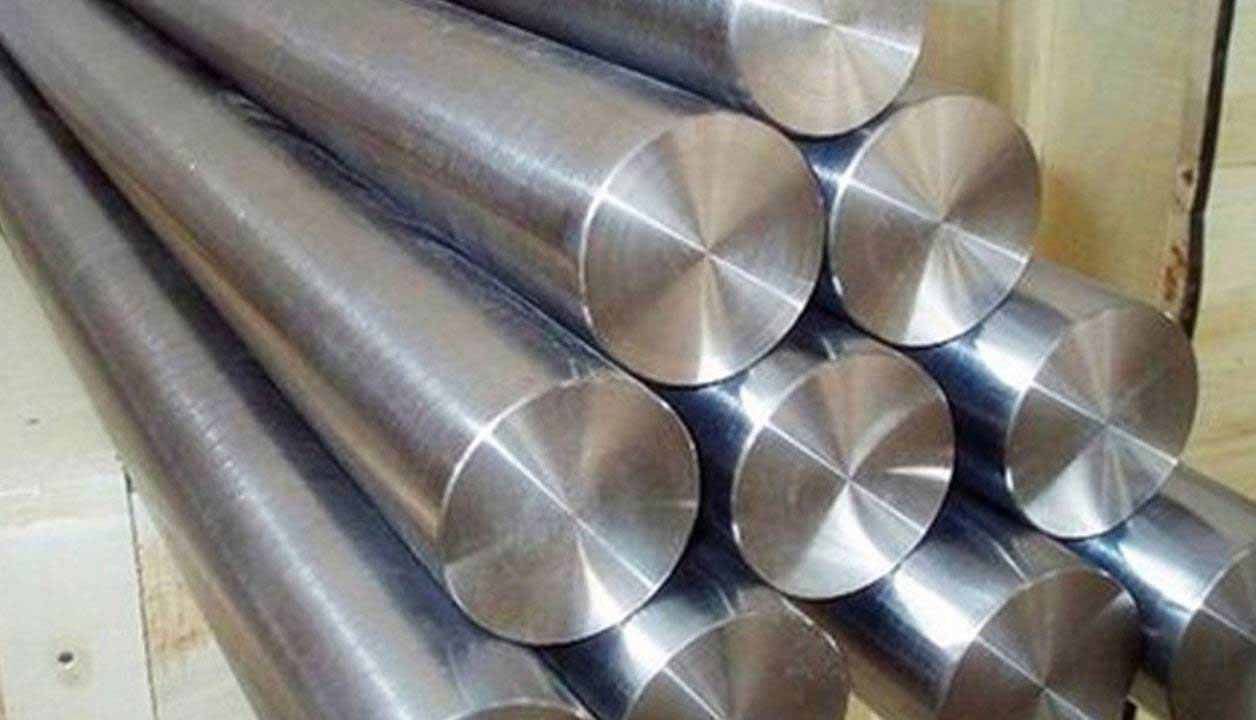
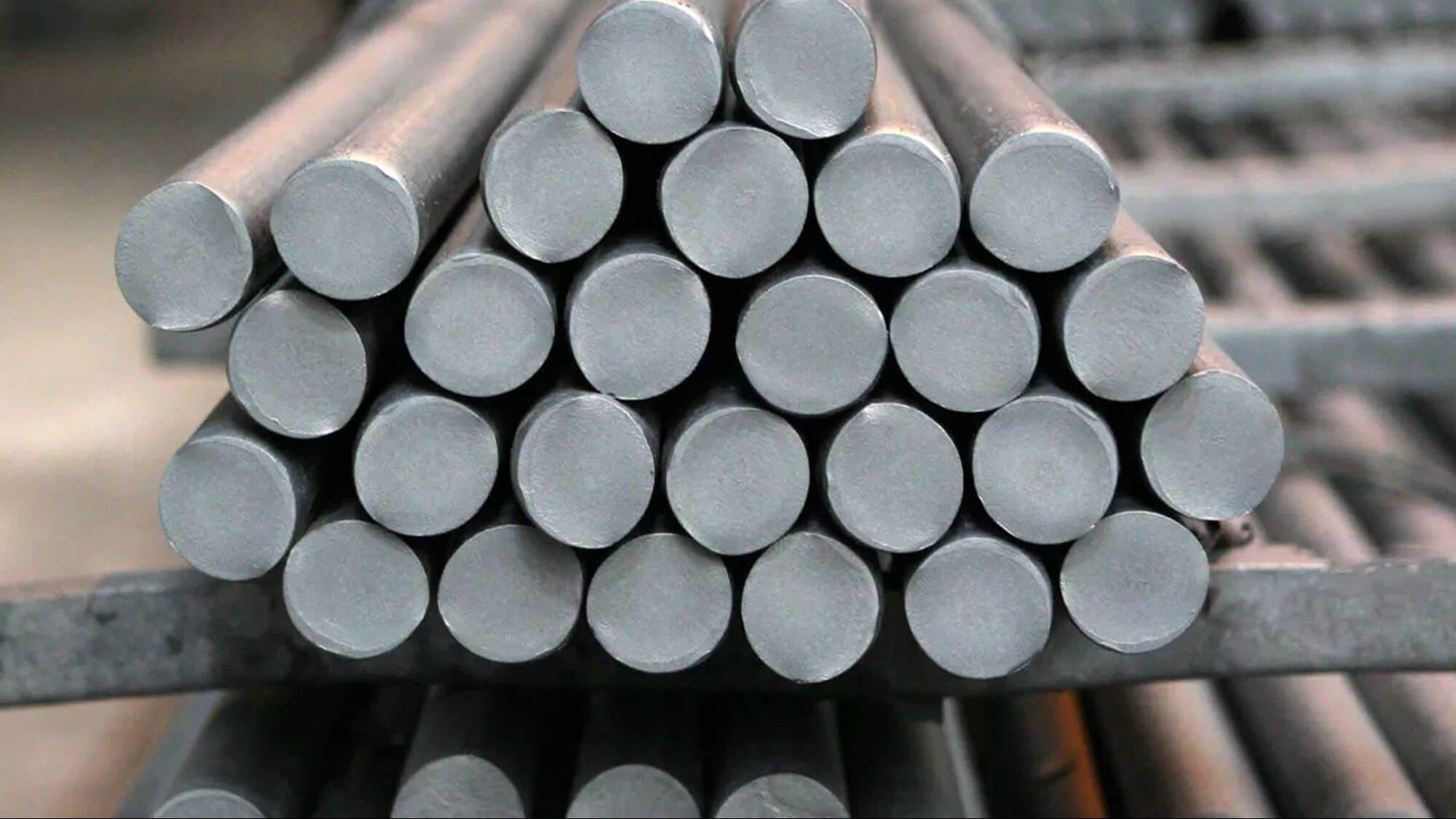
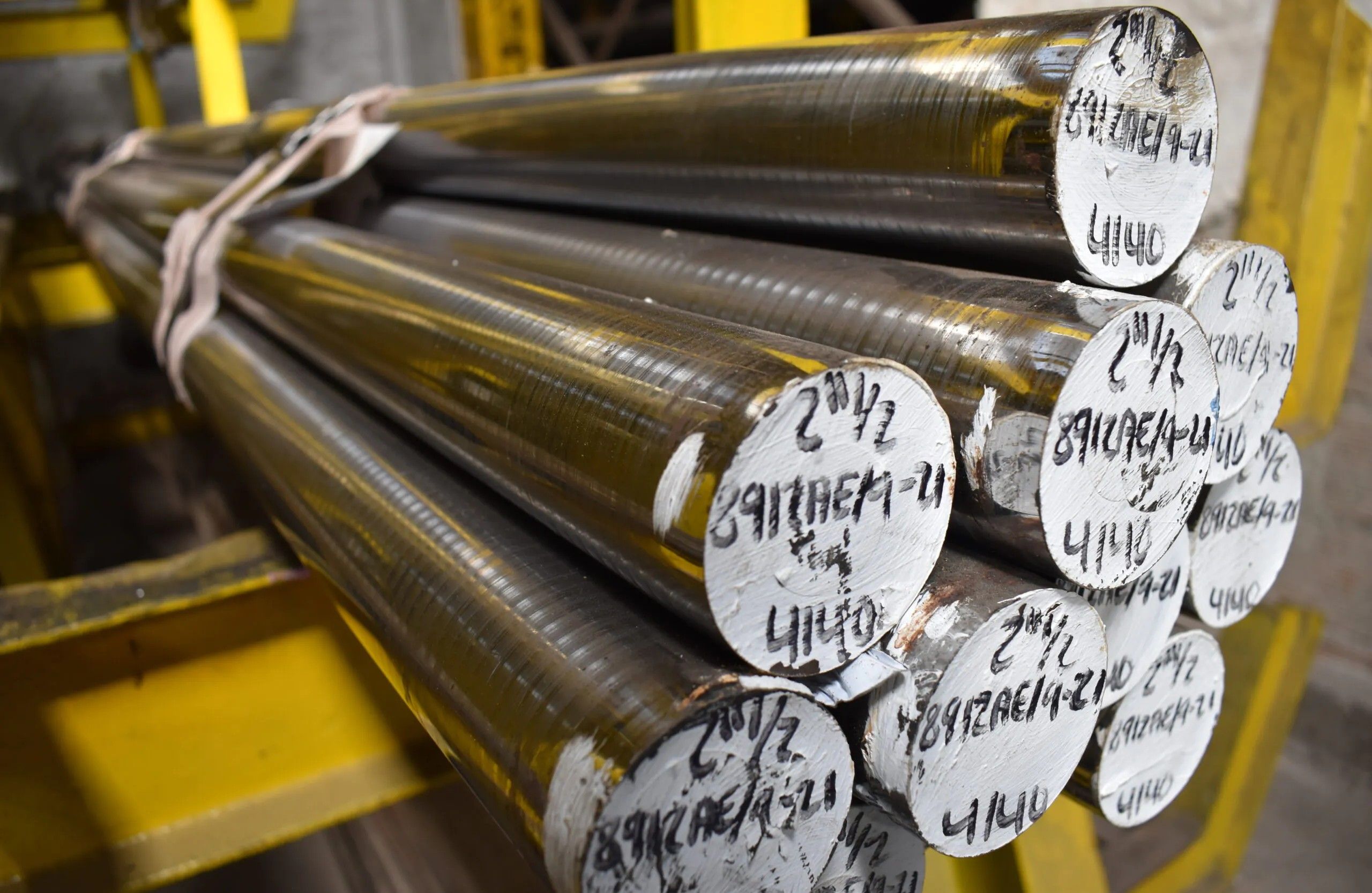
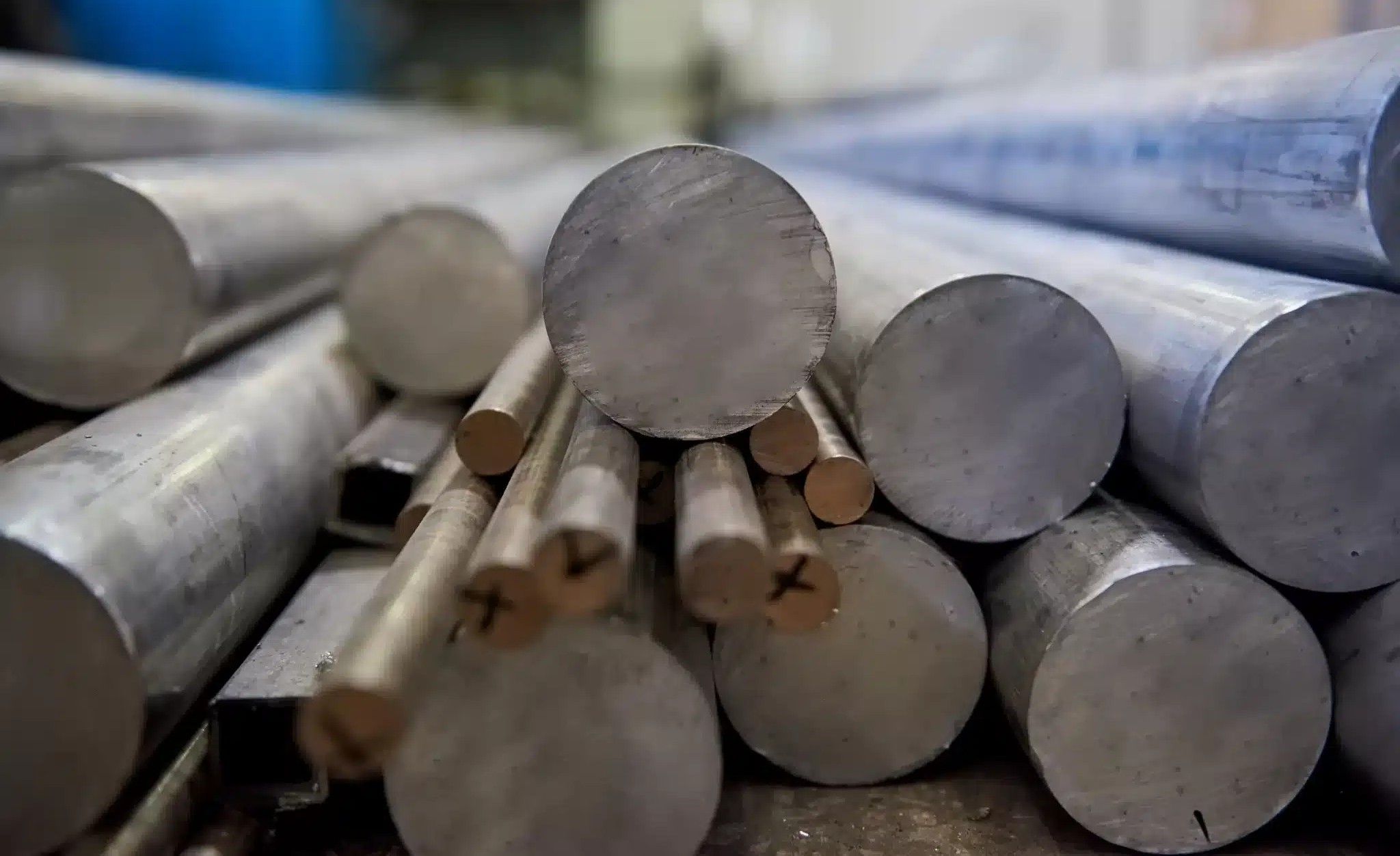
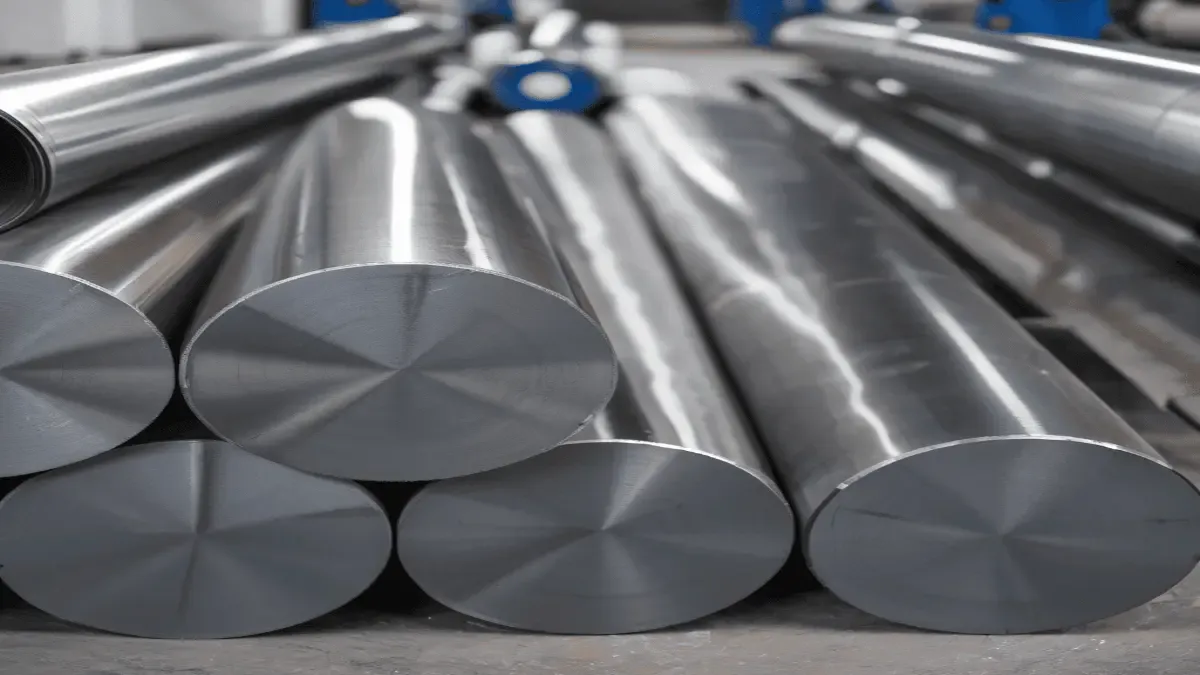
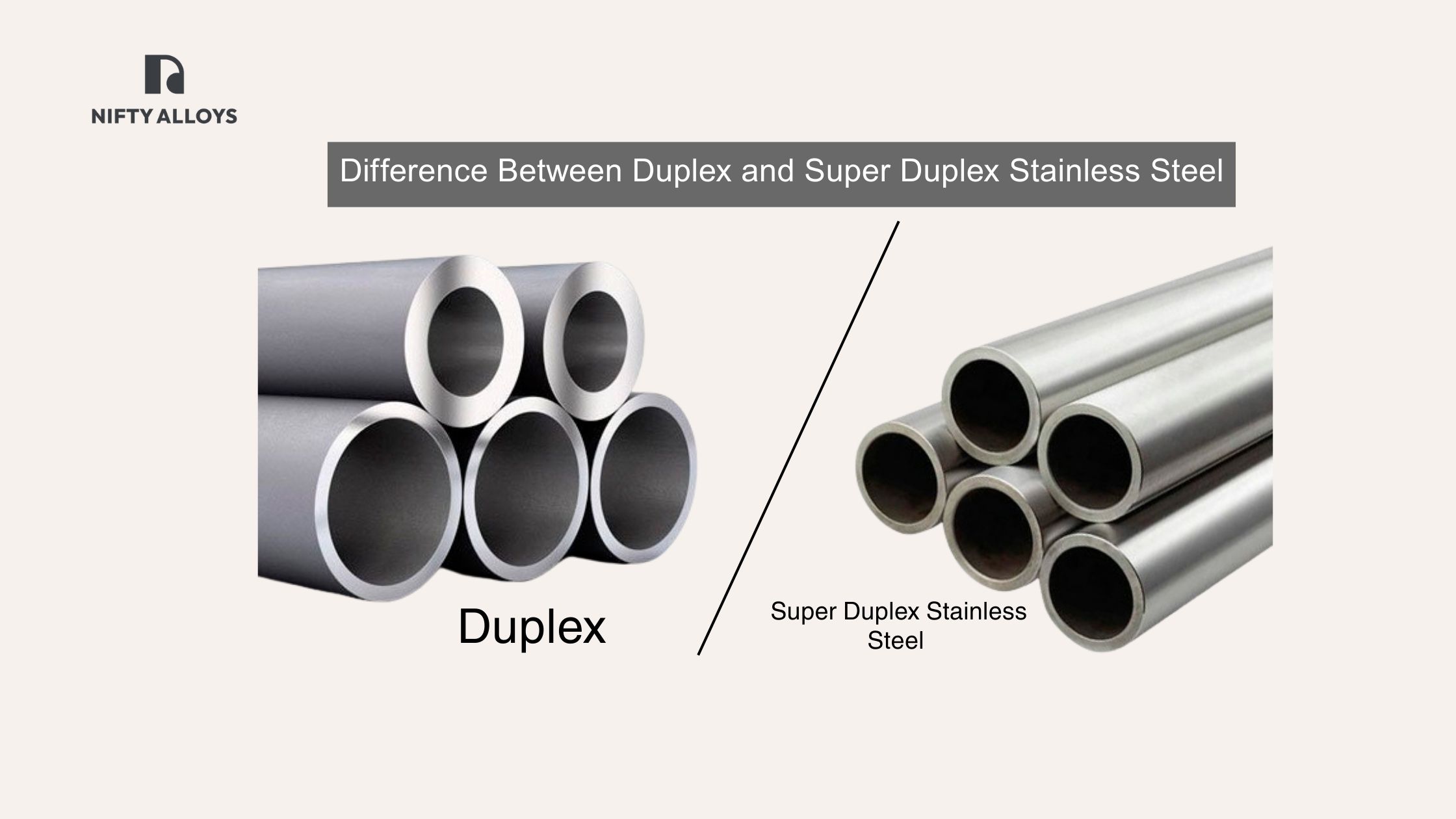
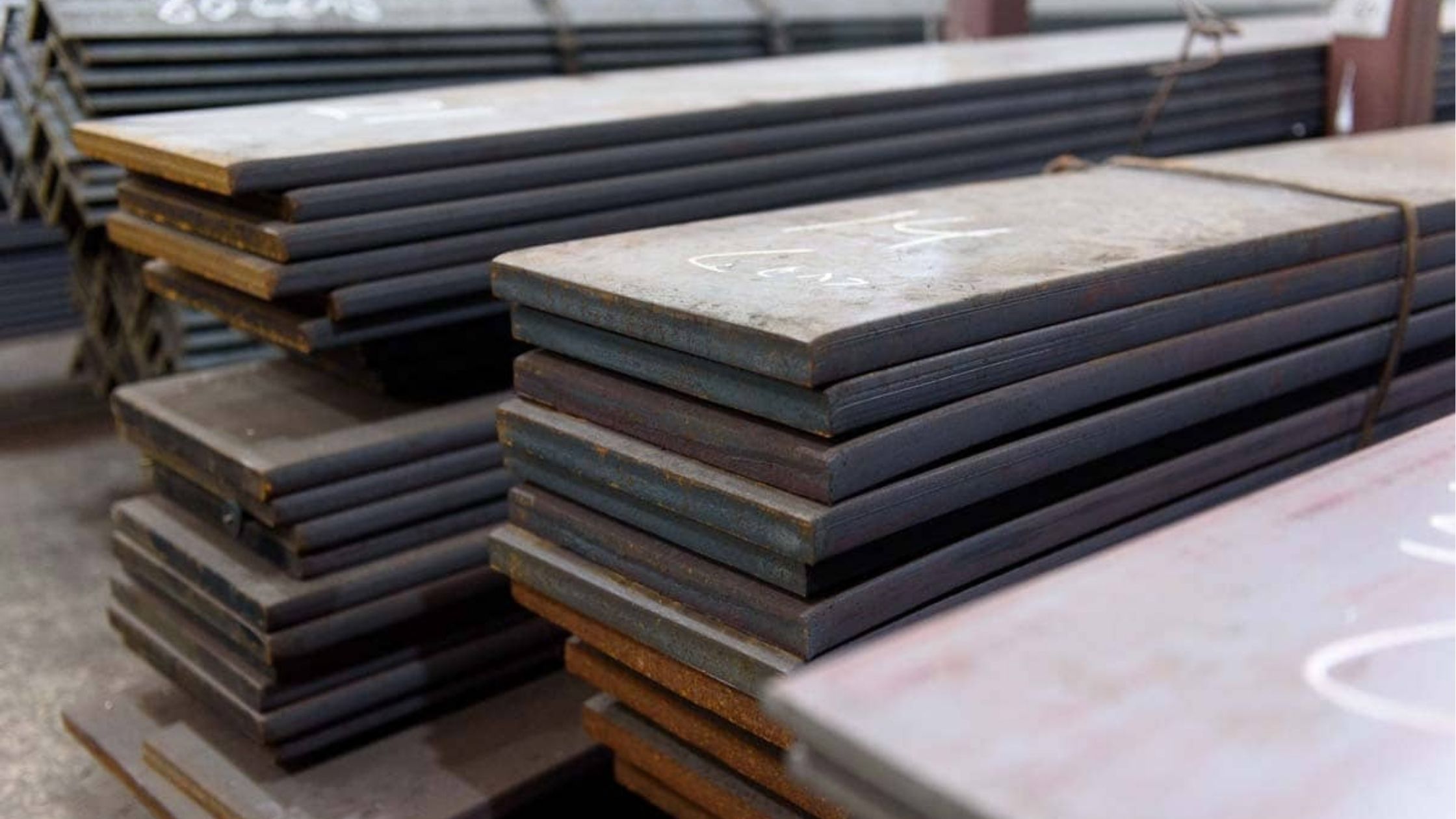
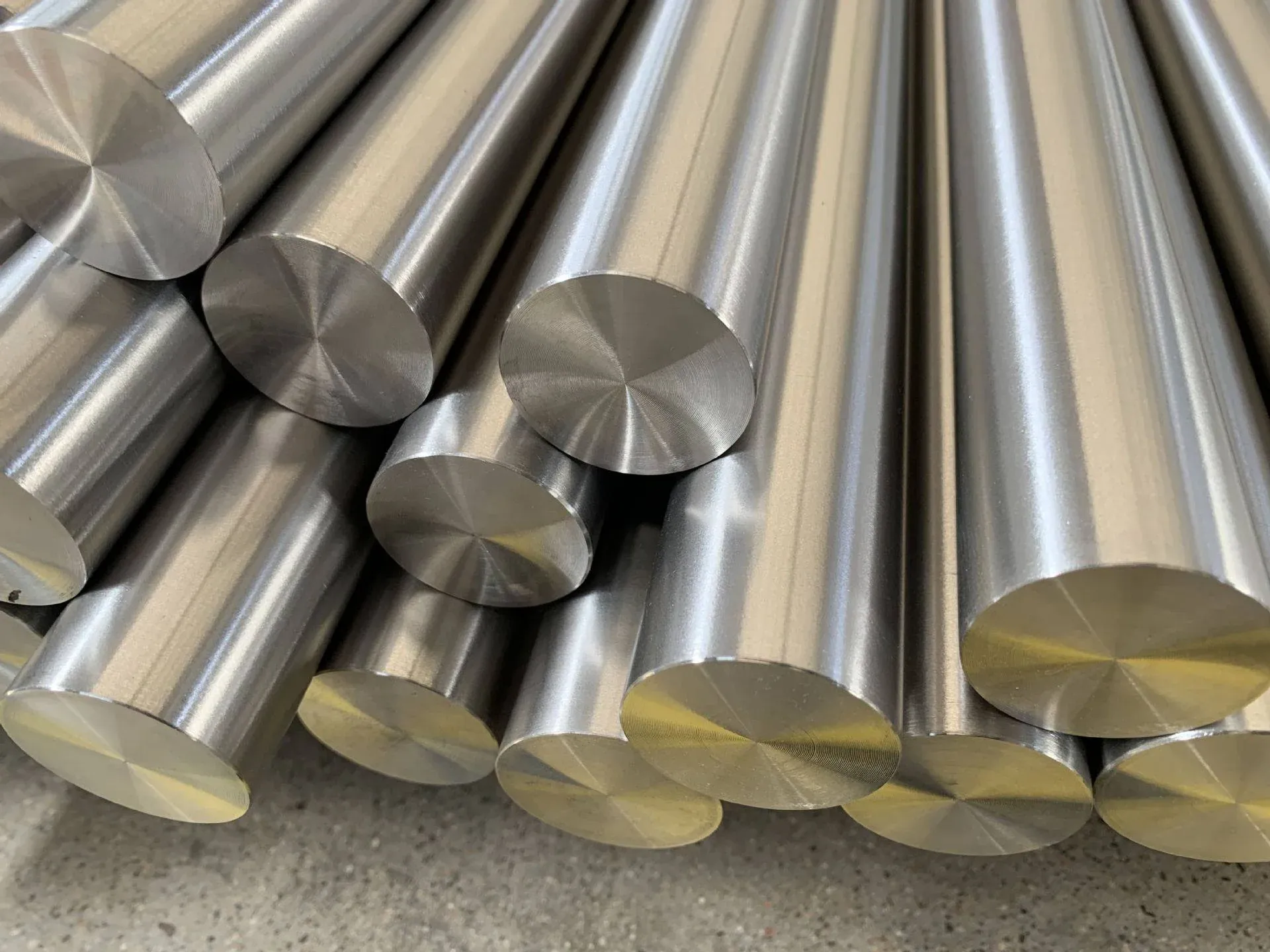
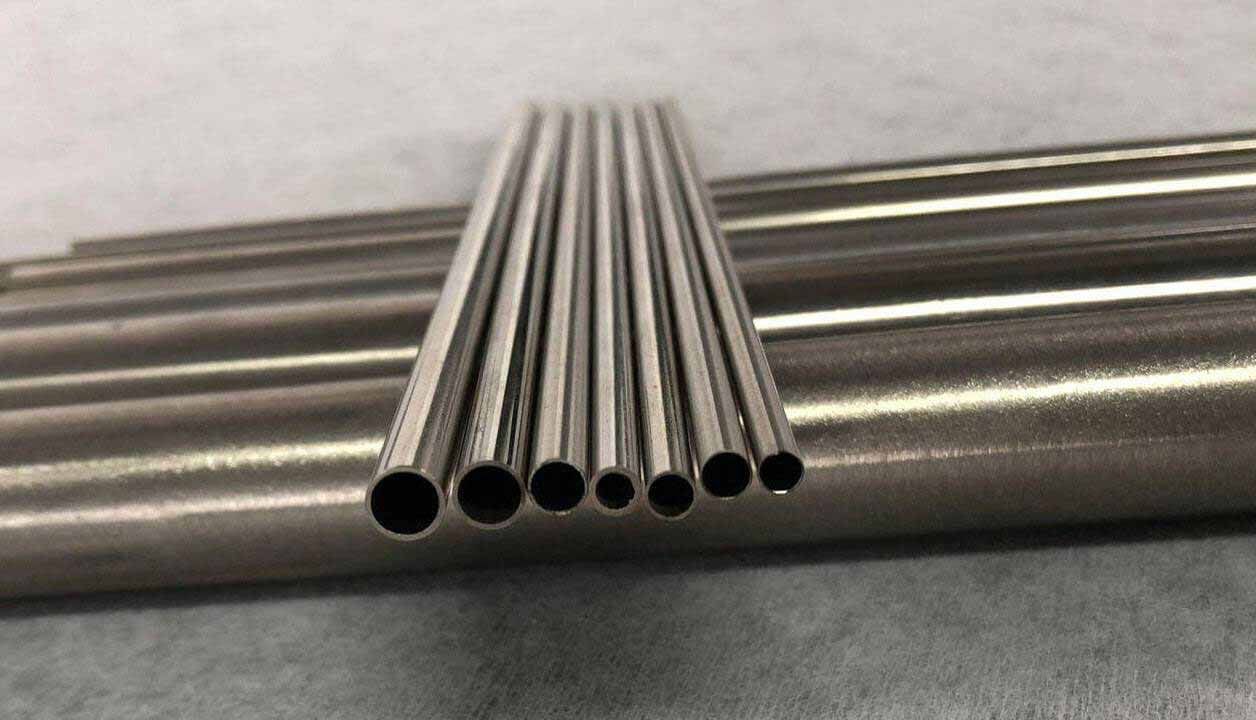
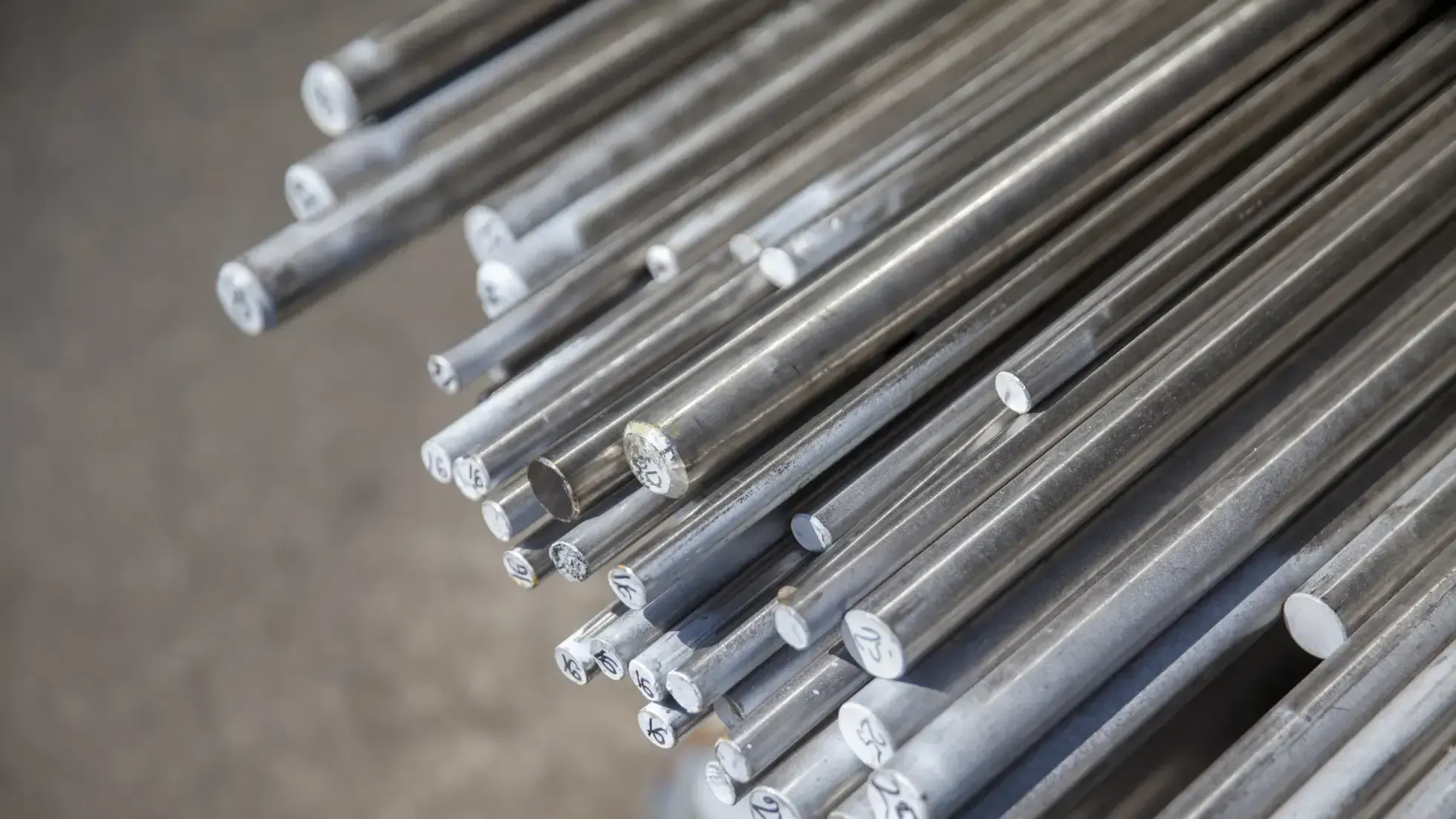
Your supplier should stock a wide range of alloy steel grades, forms, and sizes. This includes round bars, pipes, plates, and fittings in various alloys suitable for different applications, such as high-temperature service, corrosion resistance, and high-strength structural use. A diverse inventory allows for faster fulfillment and reduces the need to manage multiple vendors. Key alloy steel grades to look for include:
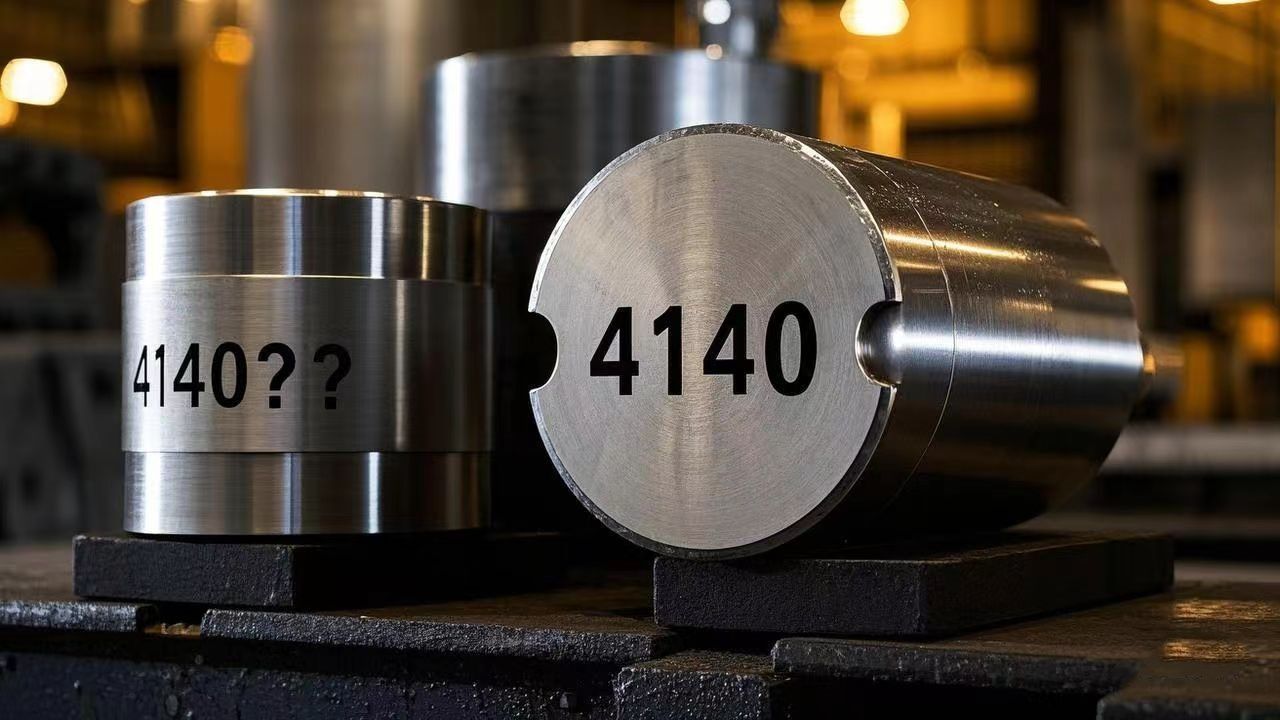
- Chromium-Molybdenum (Cr-Mo) Steels: (e.g., 4130, 4140, 4340) Valued for their high tensile strength and toughness.
- Low-Alloy Steels: Used in oil and gas pipelines, pressure vessels, and structural components.
- High-Strength Low-Alloy (HSLA) Steels: Offer superior mechanical properties and weldability.
2. Quality Assurance and Certification Protocols
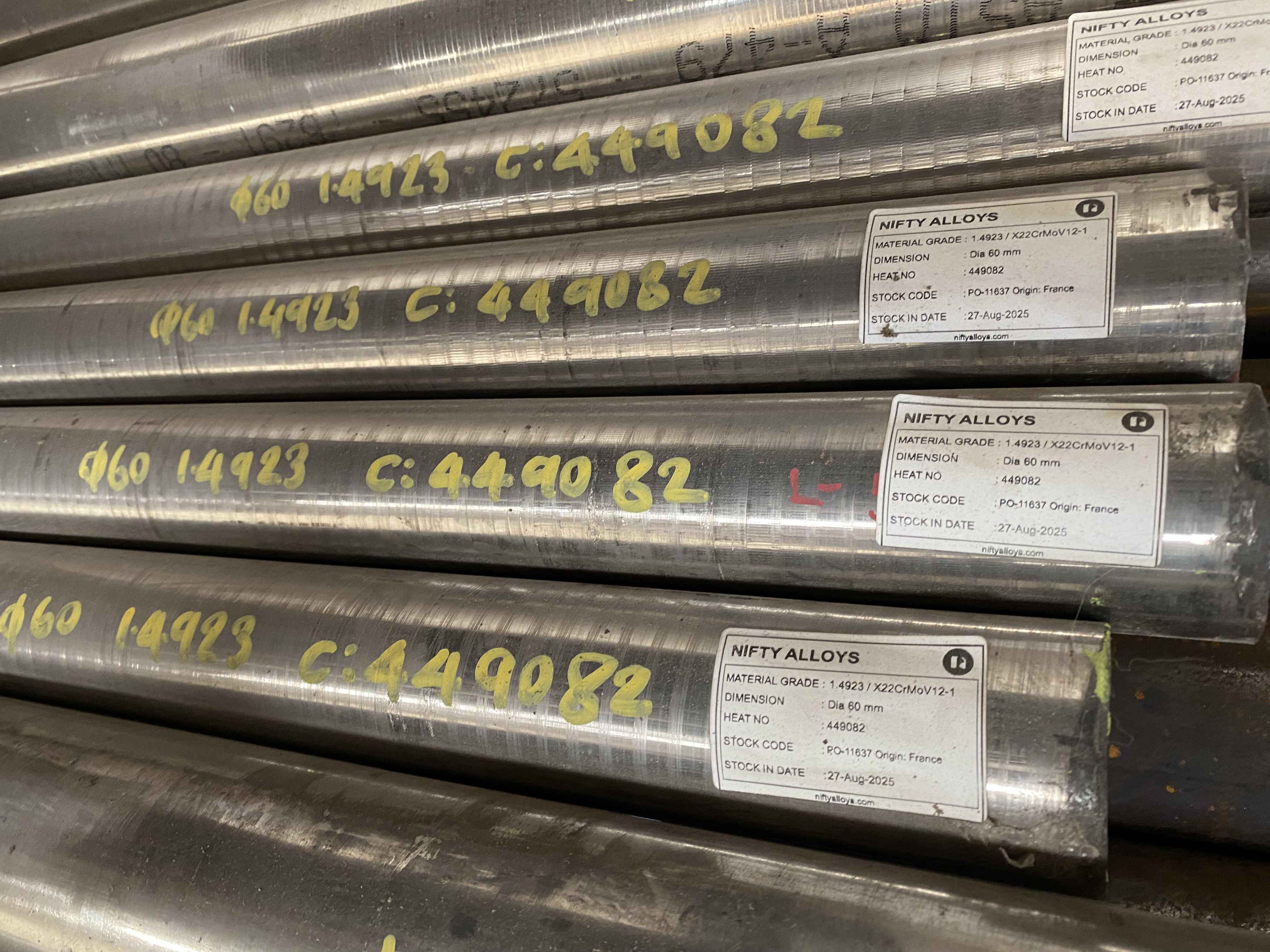
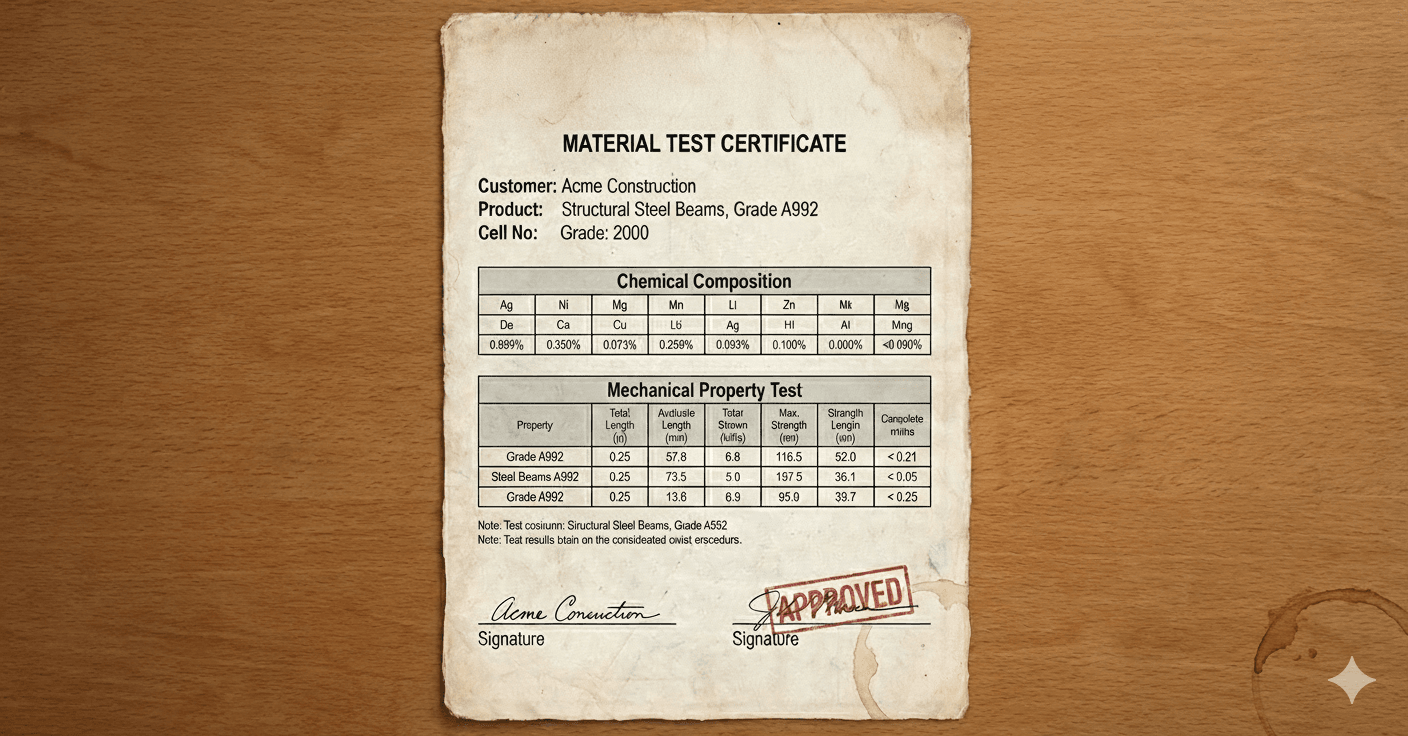
Request evidence of a supplier’s quality management system. Do they have ISO 9001 certification? What are their internal procedures for inspection and verification? A top-tier supplier will welcome these questions and readily provide documentation. Every shipment must be accompanied by a valid MTC that corresponds directly to the materials delivered, complete with heat numbers for full traceability.
3. Technical Expertise and Support
The ideal supplier is more than just a stockist; they are a technical partner. Their team should possess deep material science knowledge and be able to provide expert guidance on material selection for specific applications. Whether you are facing challenges with corrosion, high temperatures, or mechanical stress, their specialists should be able to recommend the most suitable and cost-effective alloy steel solution. This level of support is invaluable for optimizing designs and preventing material-related failures.
4. Proven Track Record and Industry Reputation
Look for suppliers with a long history of serving your industry. A strong reputation is built on years of consistent performance. Ask for references or case studies demonstrating their experience with projects similar to yours. Testimonials from other procurement managers or engineering firms in the oil and gas, marine, or power generation sectors can provide significant insight into a supplier's reliability, professionalism, and commitment to customer satisfaction.
5. Value-Added Services
Leading suppliers often offer services that streamline your procurement and production processes. These can include:
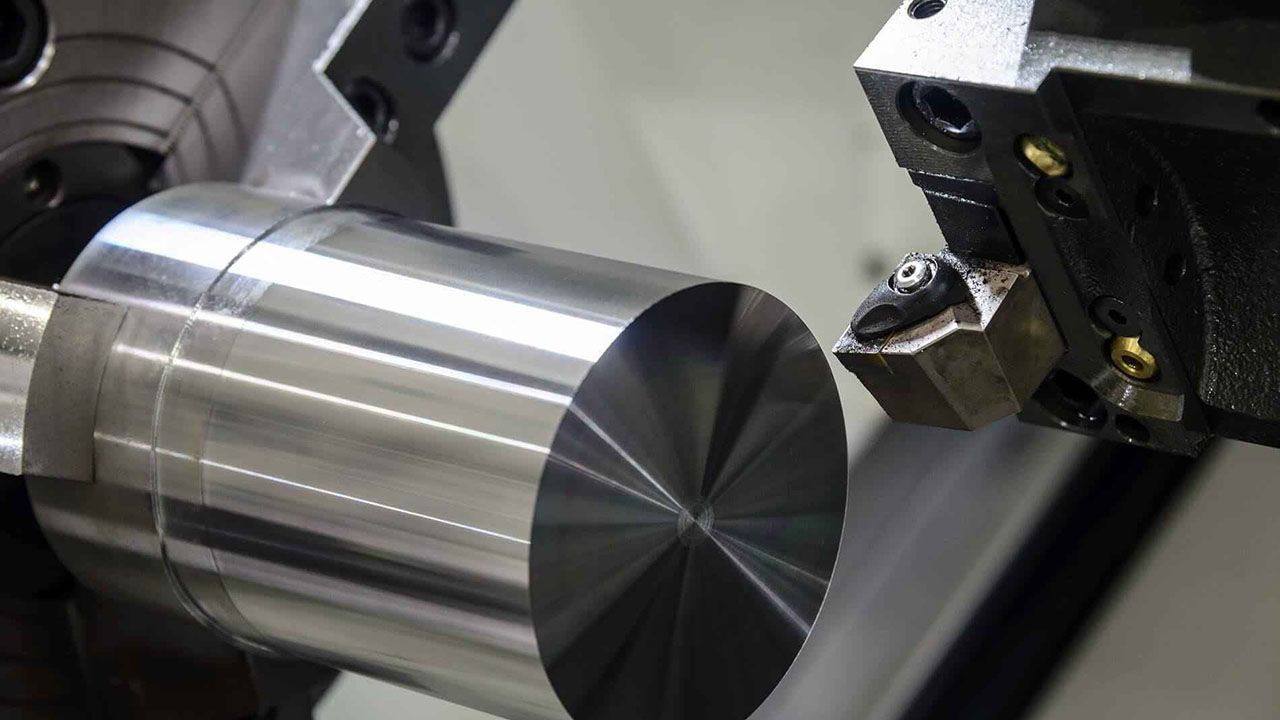
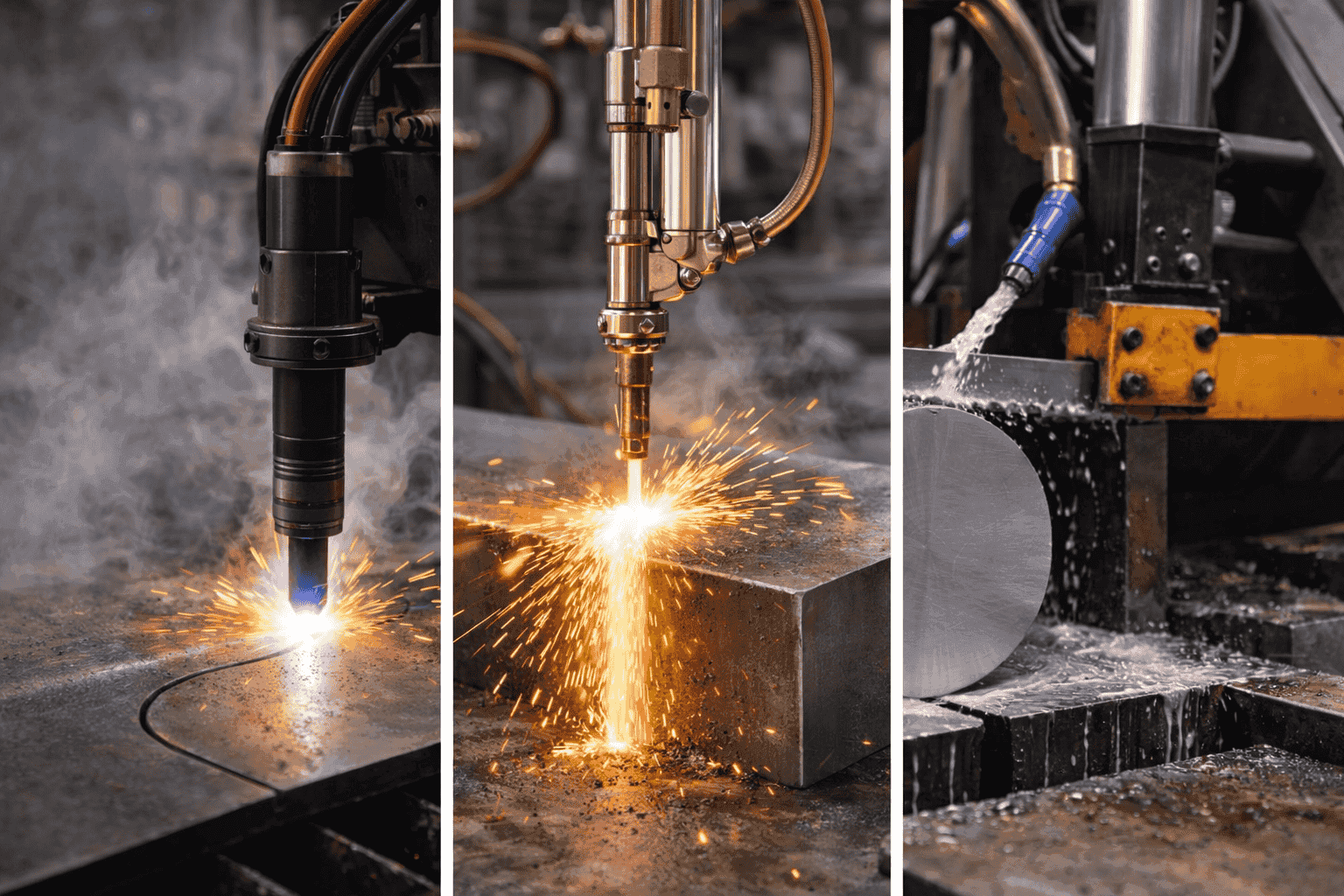
- Custom Cutting and Machining: Providing materials cut to precise dimensions reduces your on-site processing time and waste.
- Testing Services: Arranging for third-party mechanical or non-destructive testing (NDT) to meet specific project requirements.
- Logistics and Documentation Management: Handling complex shipping and customs documentation to ensure smooth delivery, especially for international projects.
By evaluating suppliers against these criteria, you can identify a partner who not only provides quality materials but also adds significant value to your operations.