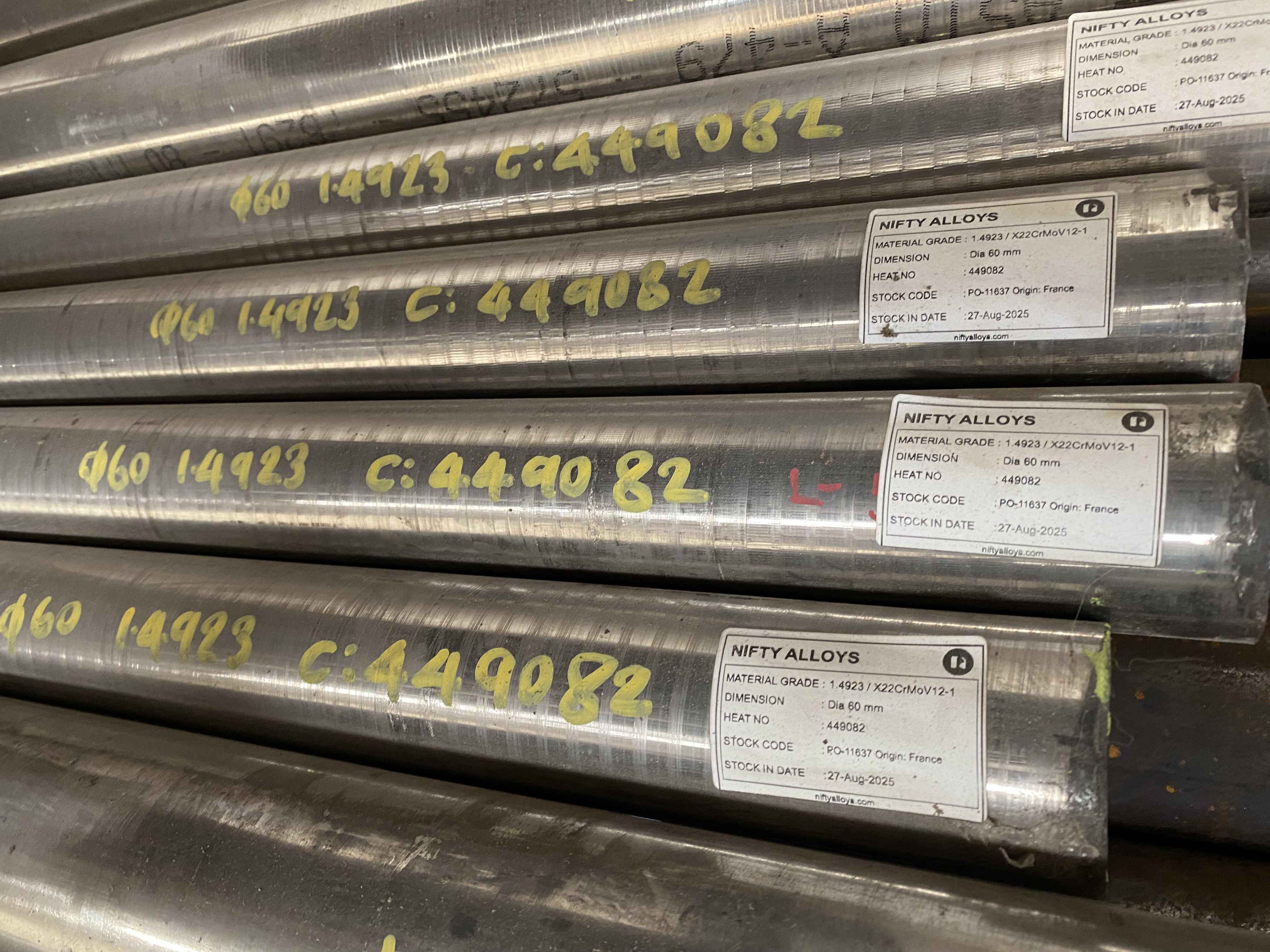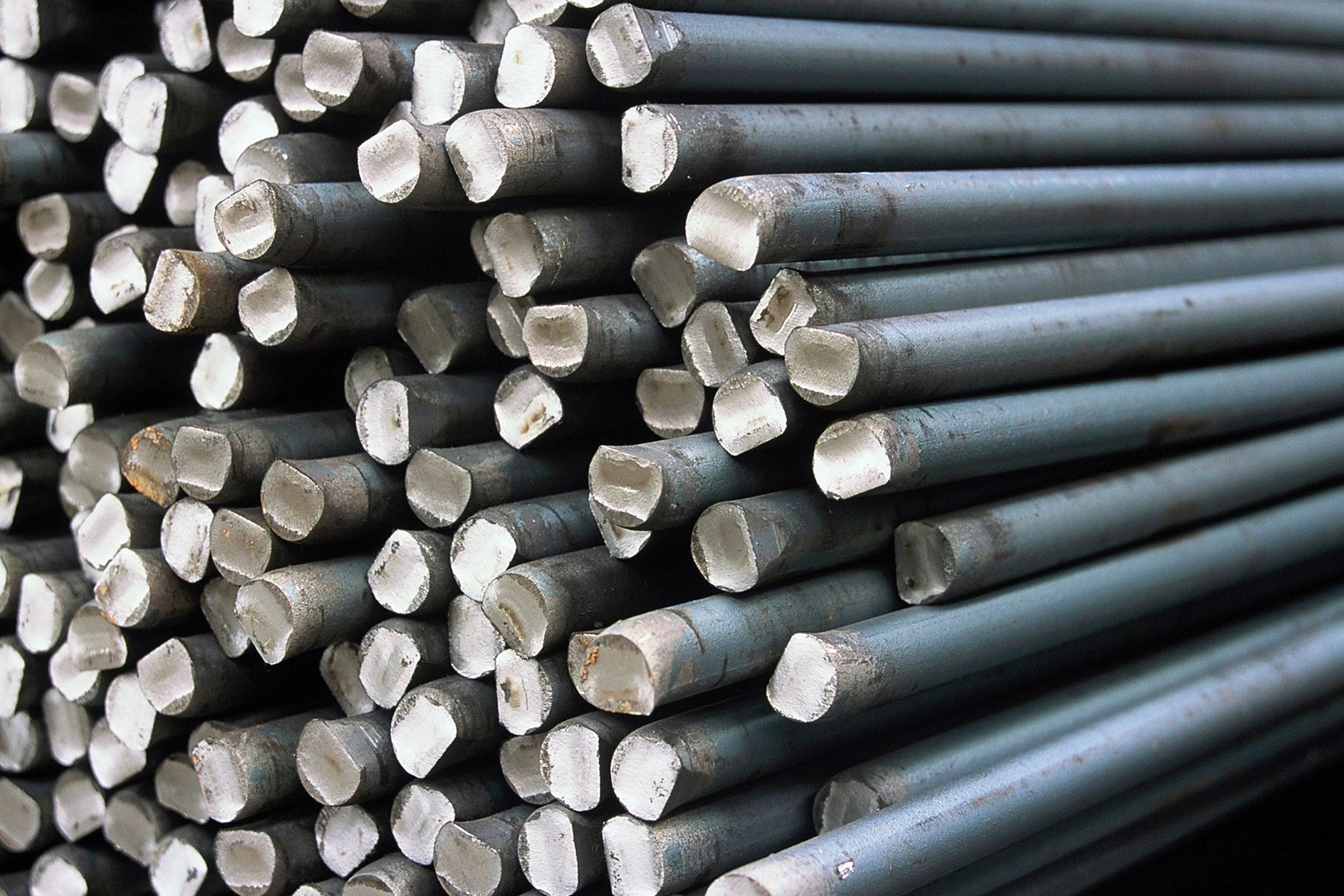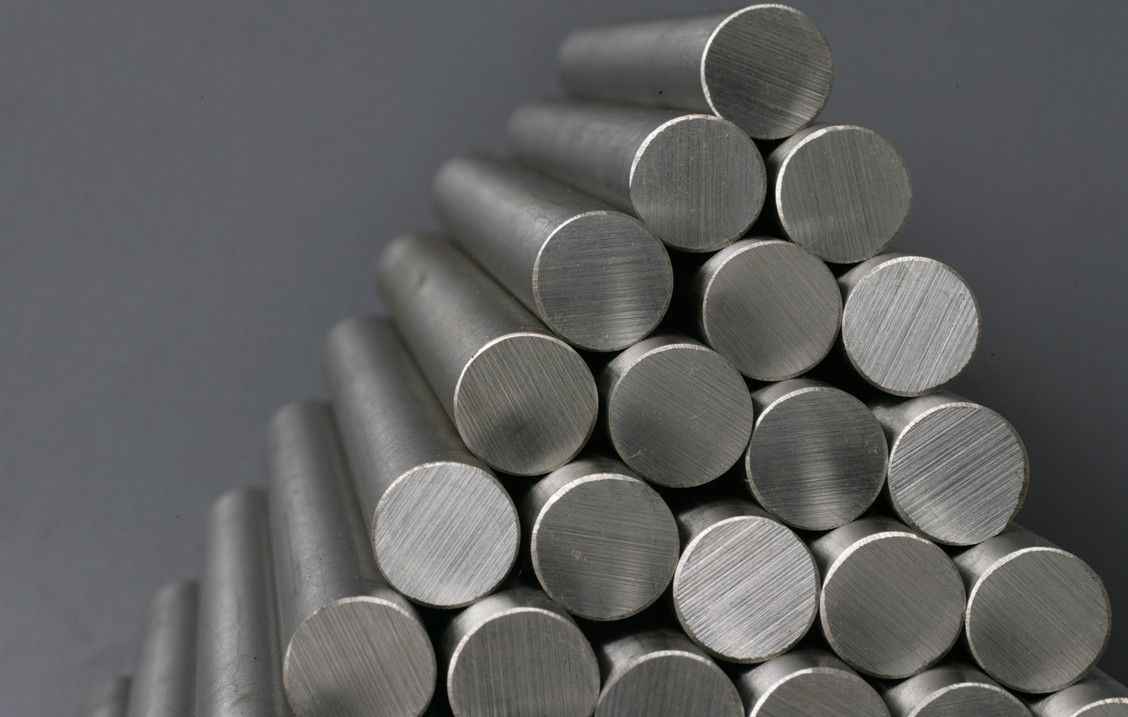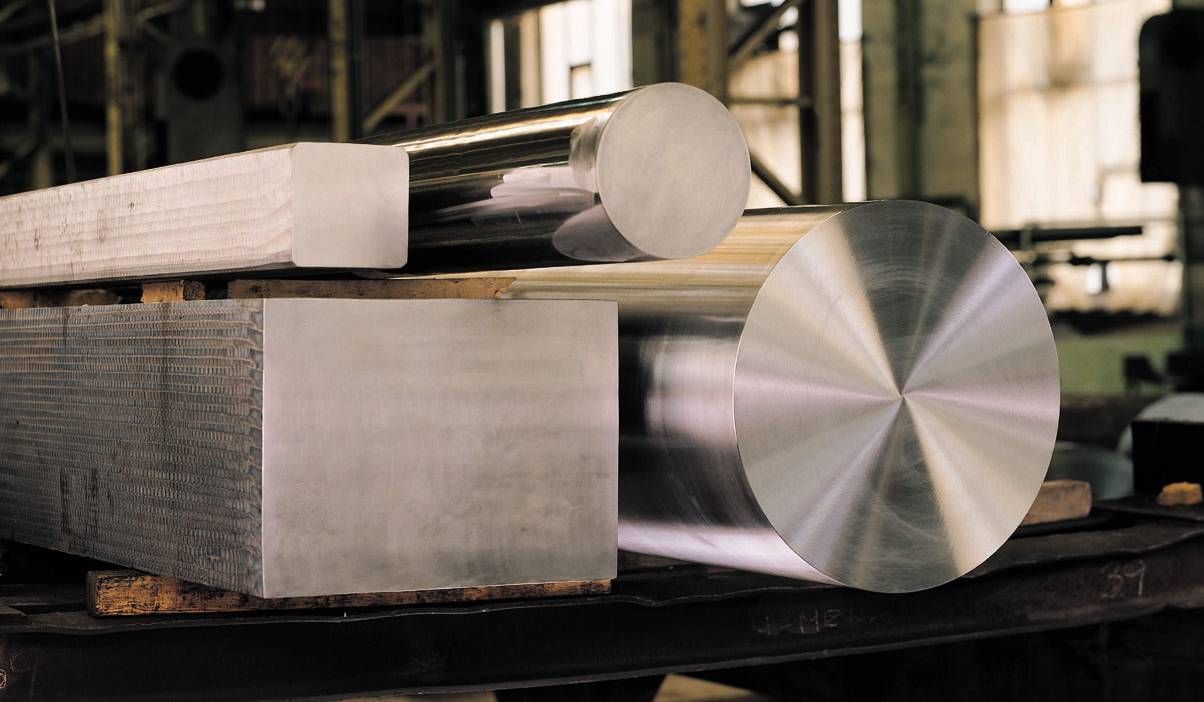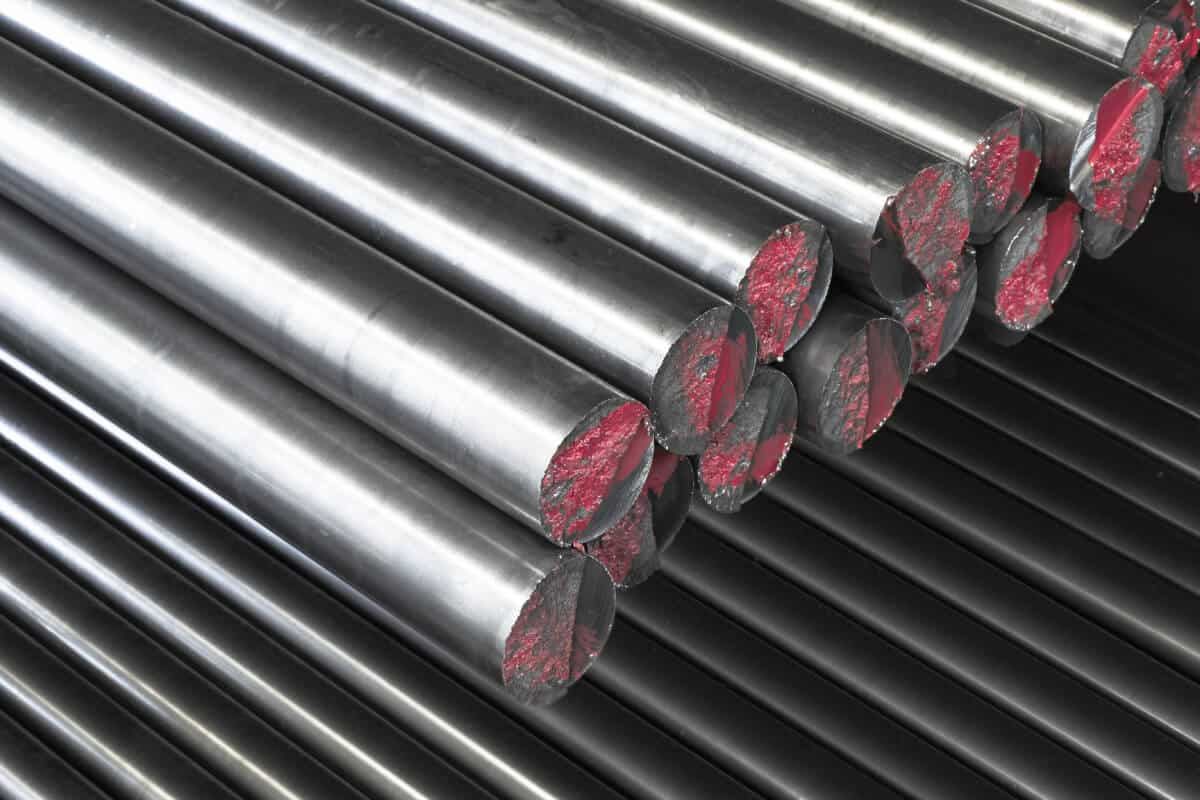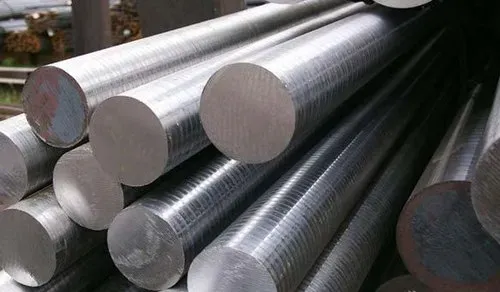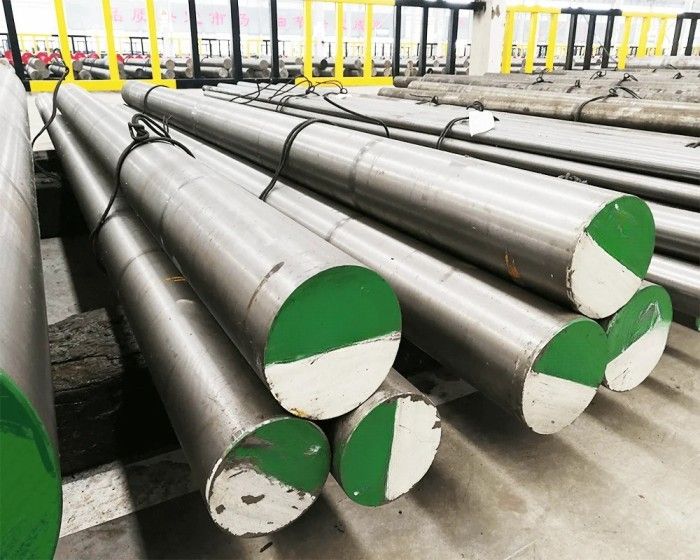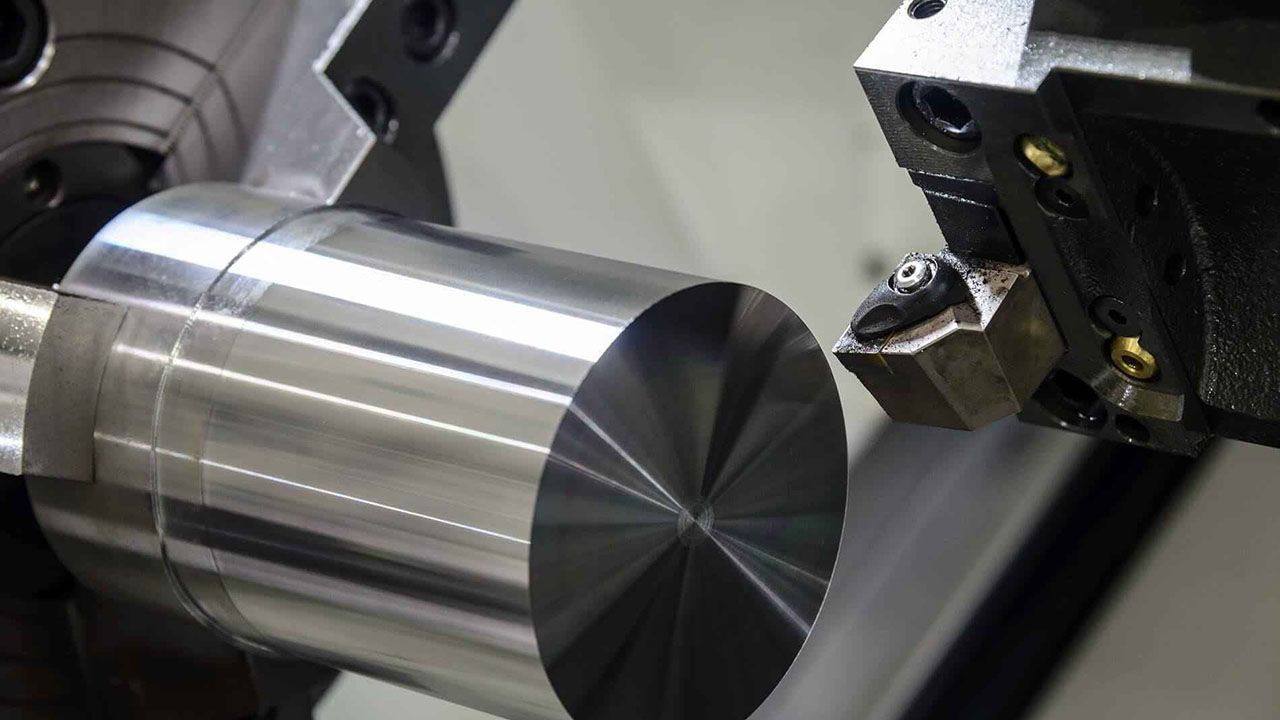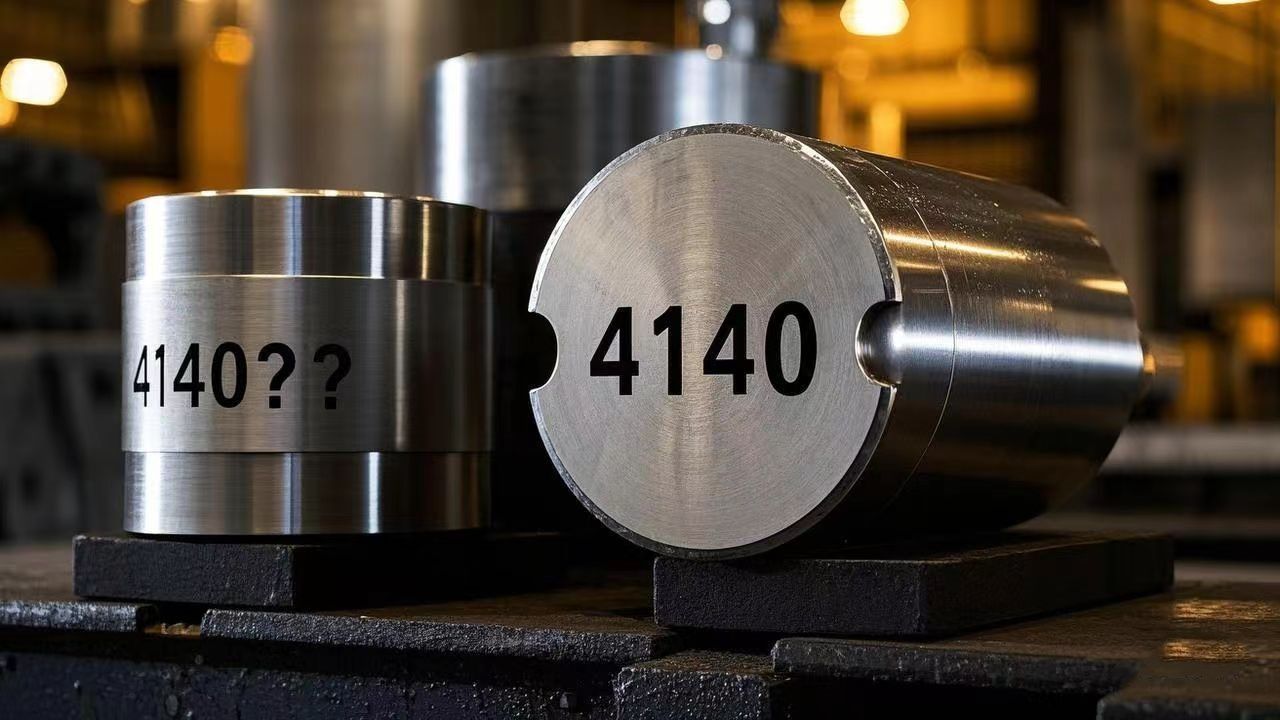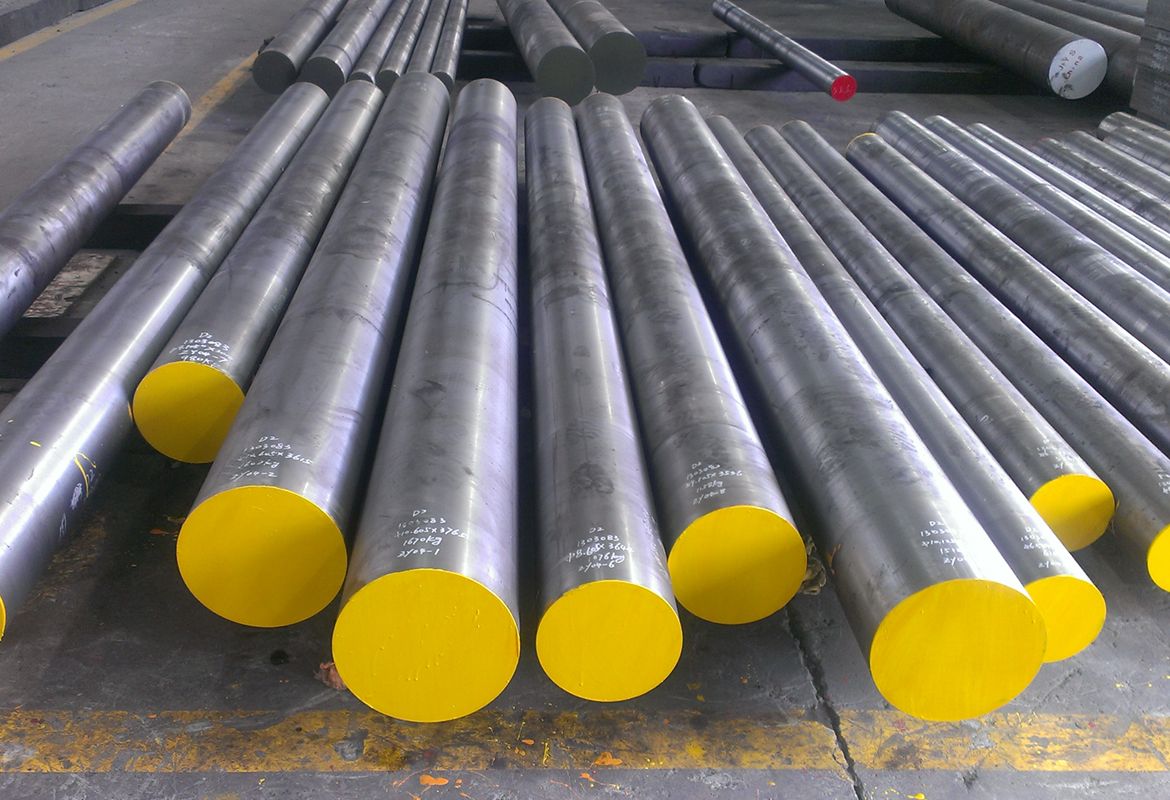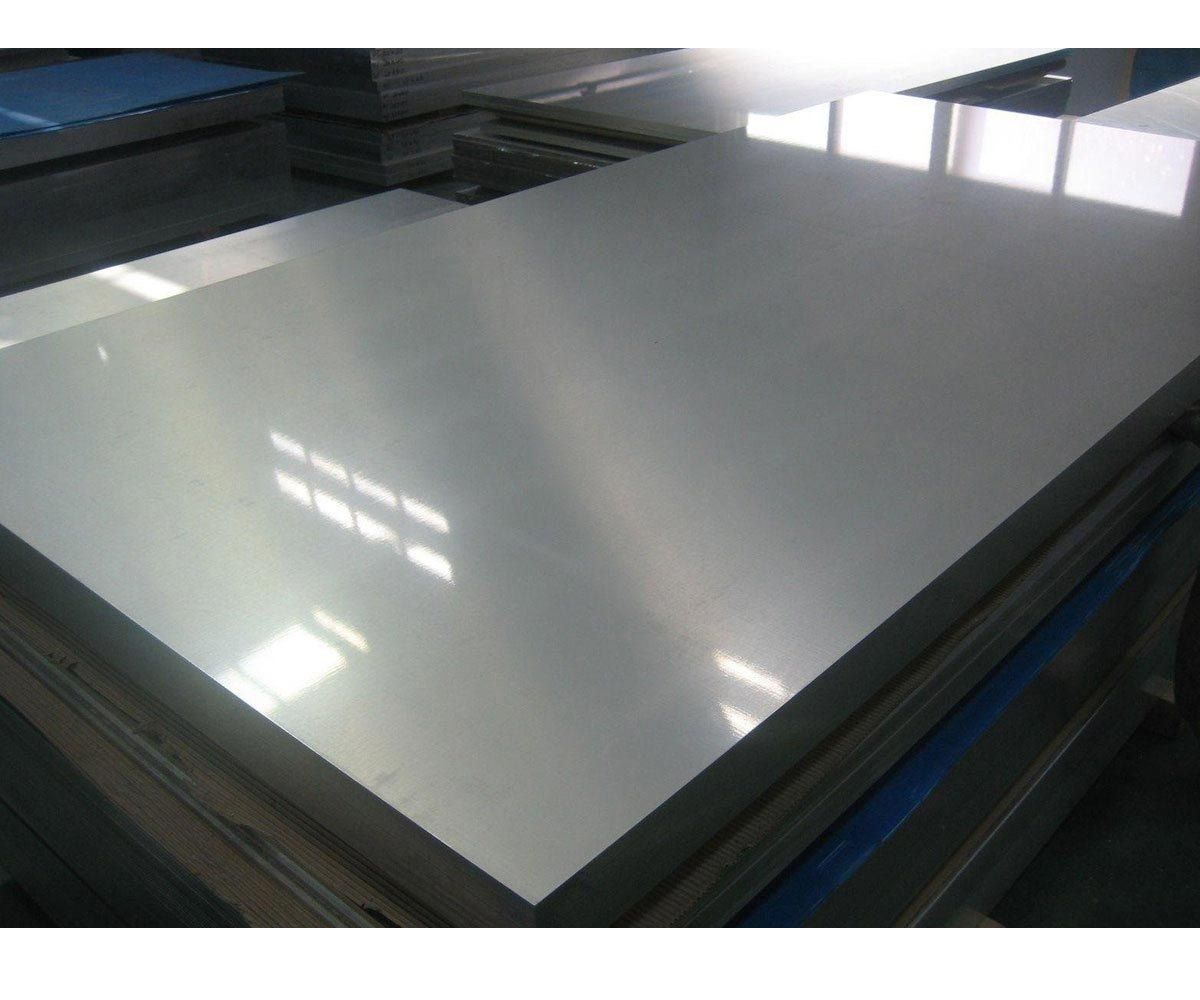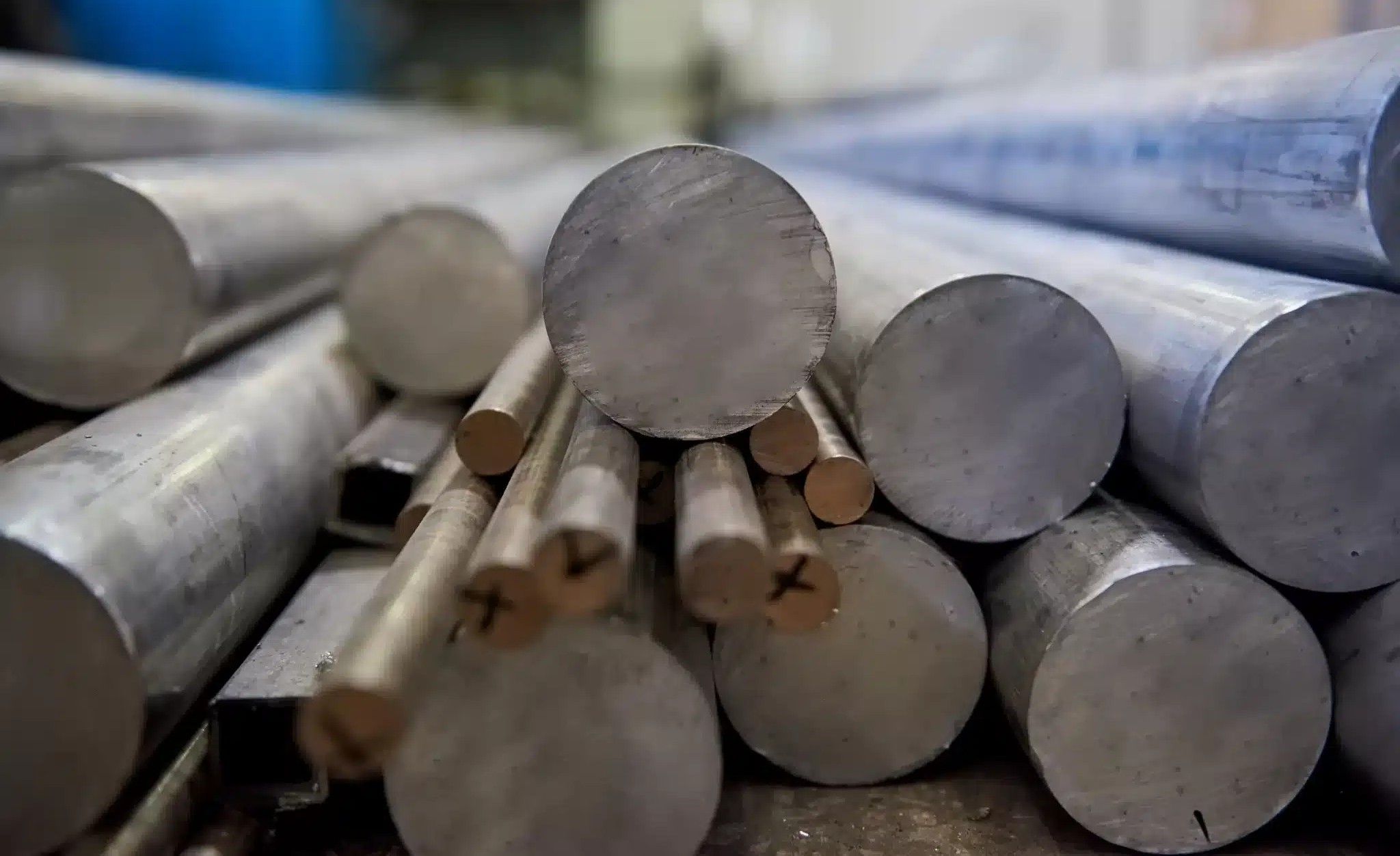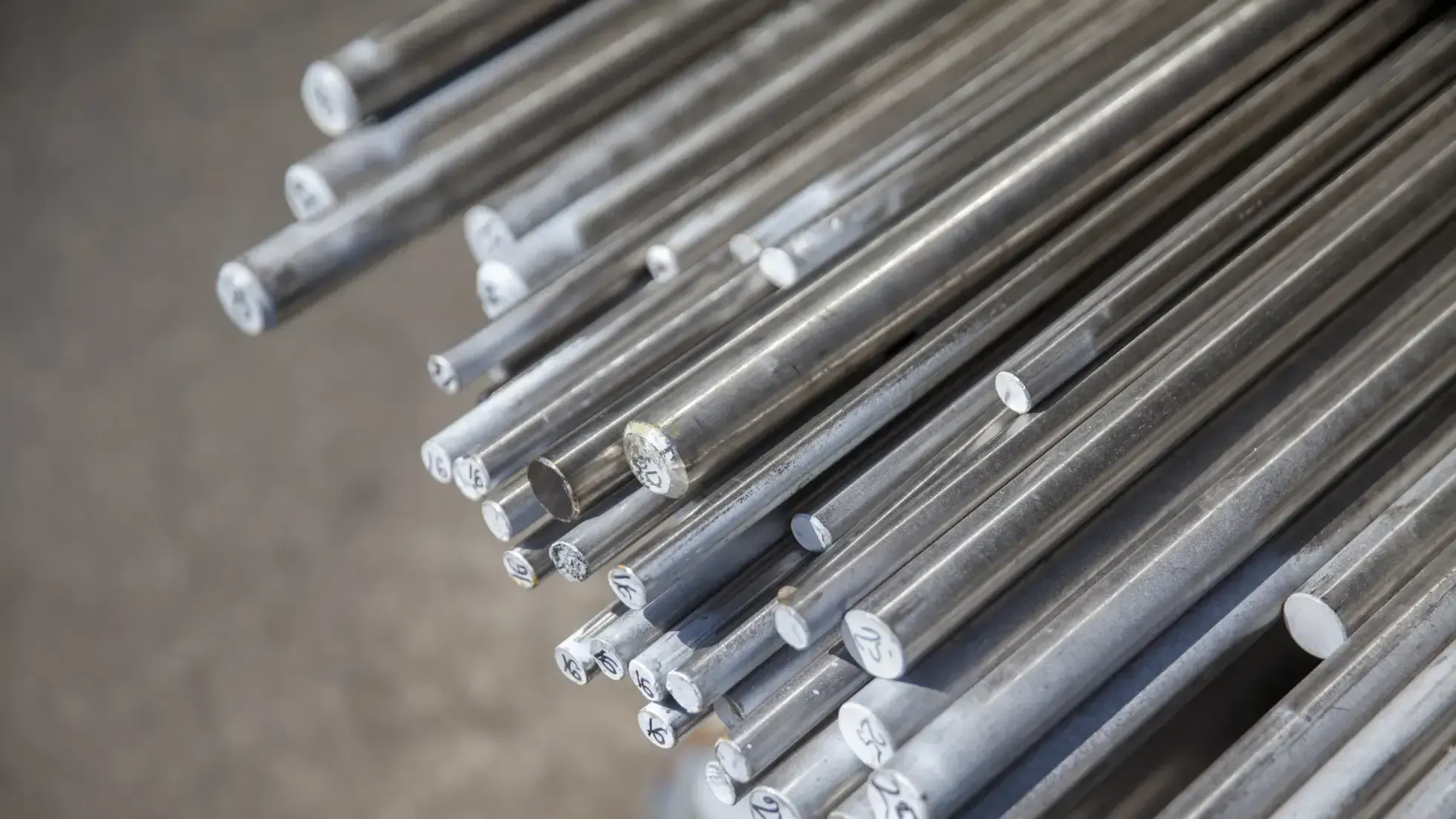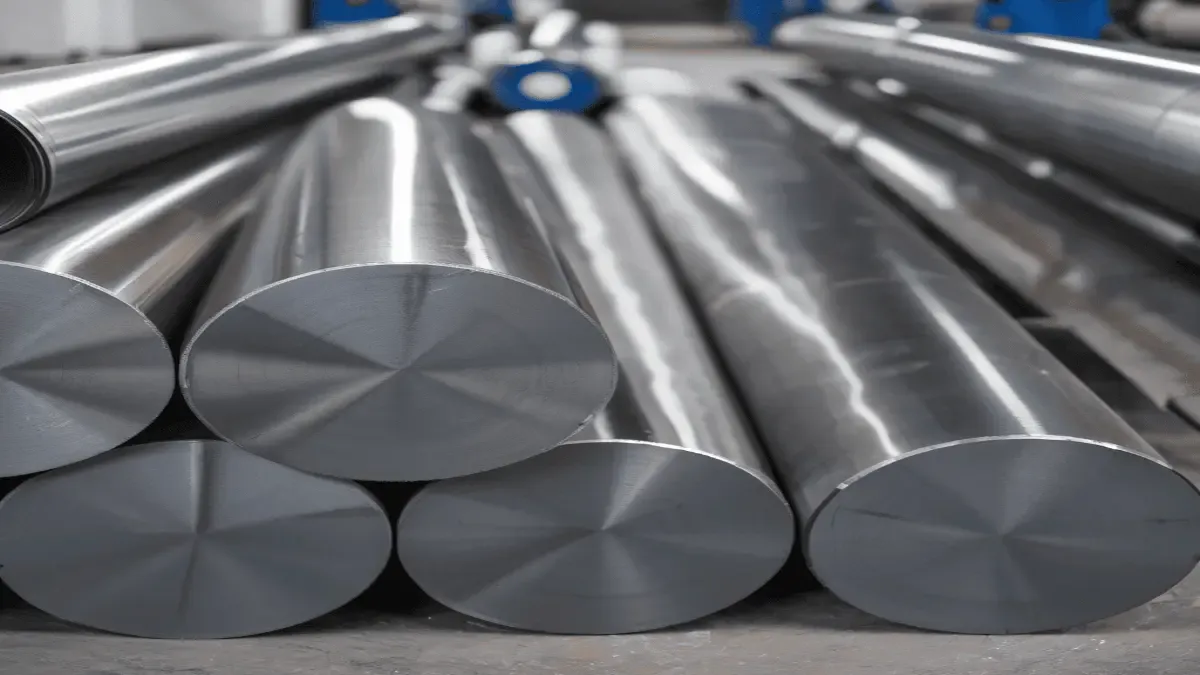
The consequences of using counterfeit or substandard stainless steel are severe. These materials often look identical to genuine alloys but lack the specific chemical composition required for performance. In the demanding environments of the oil and gas, marine, and manufacturing sectors, even small deviations in material properties can lead to significant problems.
One of the primary risks is compromised corrosion resistance. Genuine stainless steel contains a minimum of 10.5% chromium, which forms a passive, self-repairing oxide layer on the surface. This layer protects the metal from rust and corrosion. Fake alloys often have lower chromium content or substitute cheaper elements like manganese for nickel, drastically reducing their ability to withstand corrosive environments. A component that should last for decades might fail in months or even weeks, leading to operational disruption and safety hazards.
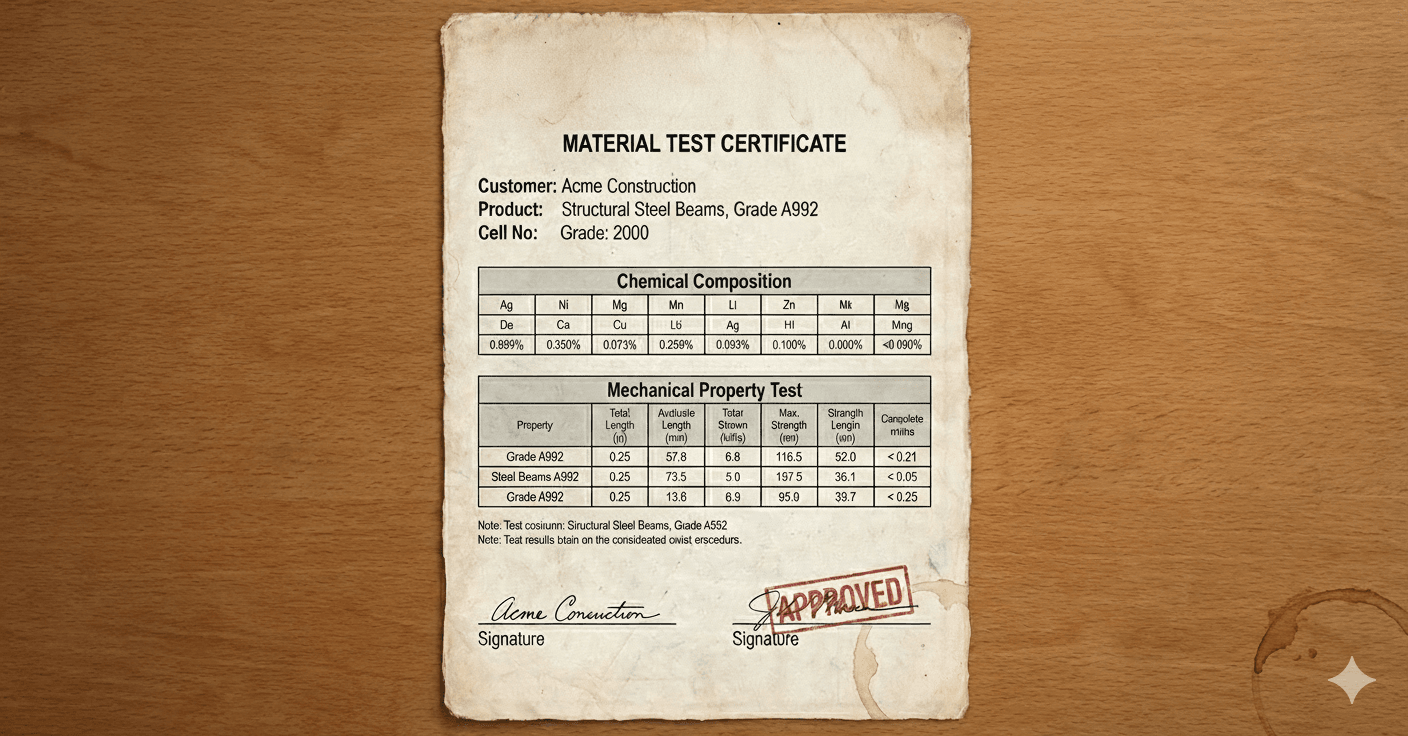
Furthermore, substandard materials affect mechanical properties such as strength, durability, and weldability. A fake alloy may not withstand the specified pressures or temperatures, creating a risk of structural failure. For procurement teams in the UAE and other major industrial hubs, sourcing a non-compliant material can result in project delays, budget overruns, and damage to a company's reputation. Whenever you are evaluating stainless steel for critical applications, always refer to trusted suppliers such as Nifty Alloys LLC’s stainless steel product range to ensure the material supplied meets all required specifications and international standards. A reliable stainless-steel test is essential to mitigate these risks and ensure every component performs as expected.