How to Choose the Best Aluminium Supplier – 7 Key Factors Buyers Must Check
By akshai • Updated 2025-09-10 16:12:00 •
Why Choosing the Right Aluminium Supplier Matters
Choosing the right supplier directly impacts:
Product quality and performance
Production timelines and delivery schedules
Supply chain reliability
Total cost of ownership
A structured supplier selection process helps reduce risk and improve operational efficiency by evaluating suppliers against defined criteria.
Key Factors to Consider When Choosing an Aluminium Supplier
1. Quality & Certifications
Quality is non-negotiable when sourcing aluminium materials.
Look for suppliers with:
ISO 9001 certification
ASTM / EN standards compliance
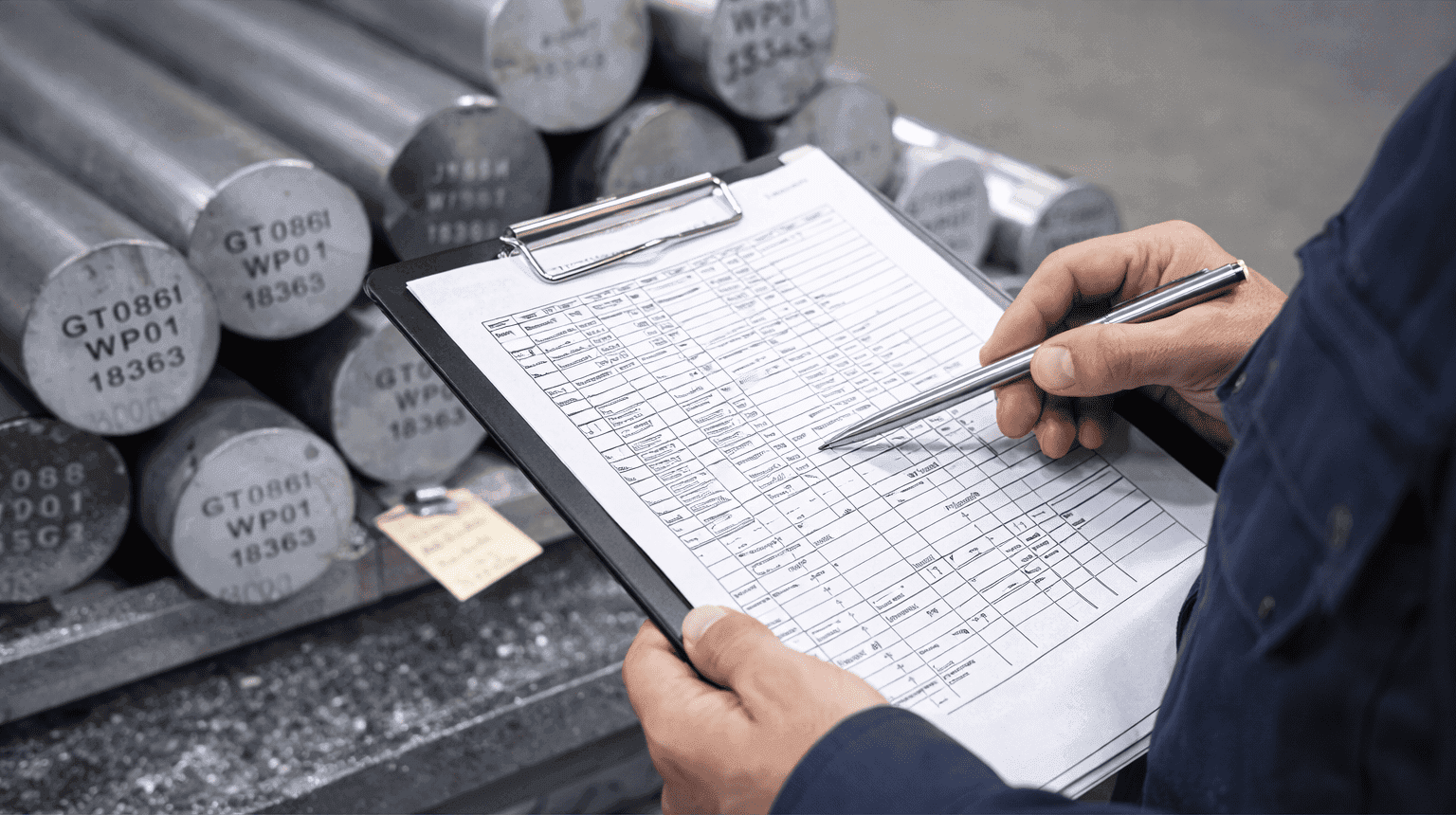
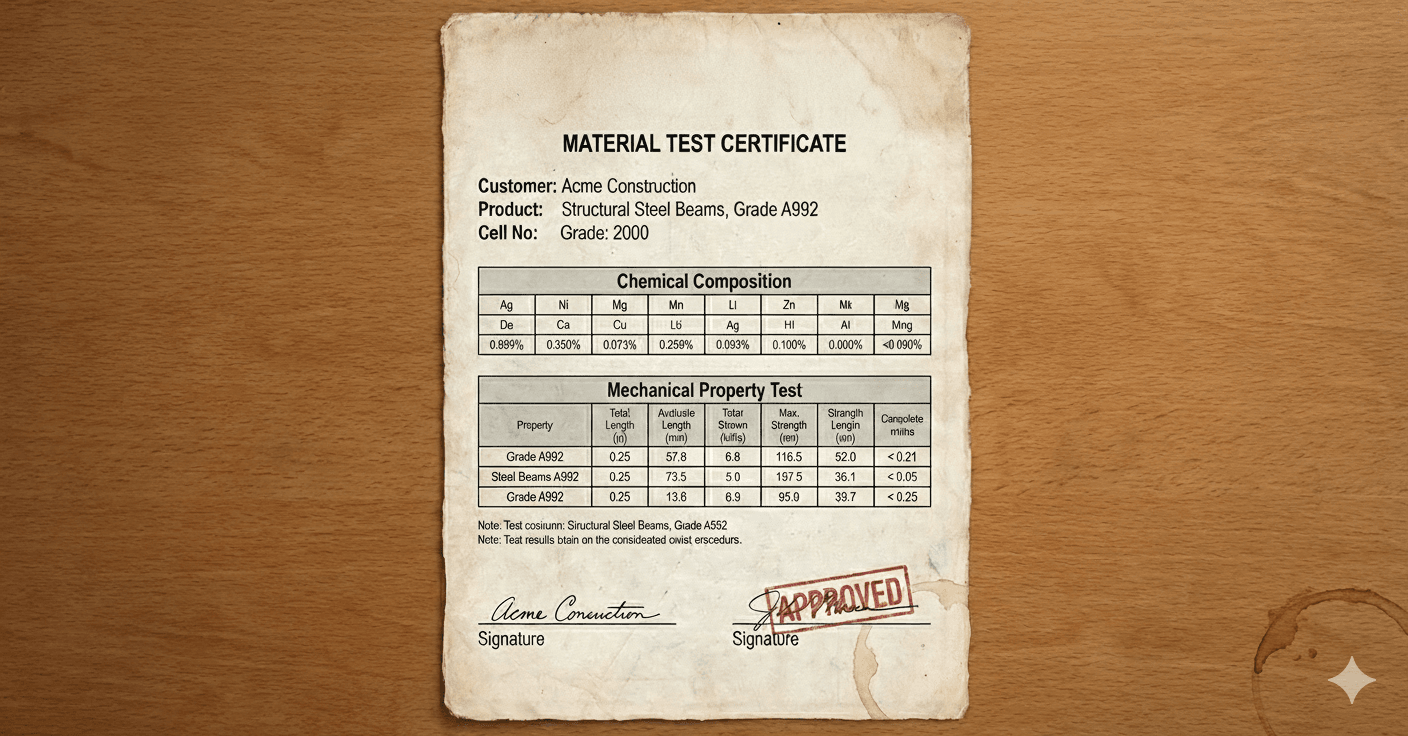
Mill Test Reports (MTR)
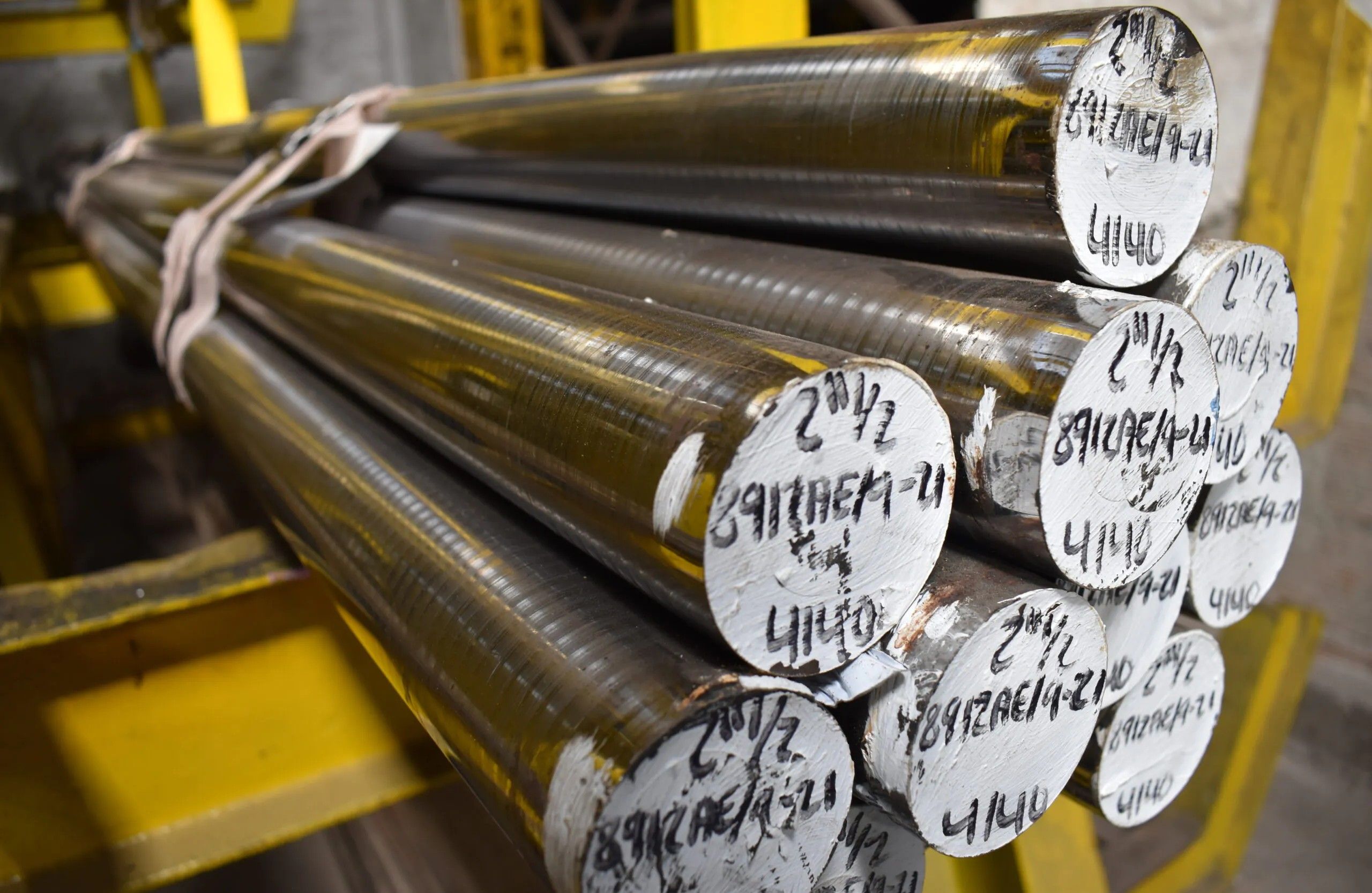
Full material traceability
Reliable suppliers maintain strict quality control systems and provide documented proof of compliance.
2. Lead Time & Delivery Reliability
Lead time is one of the most critical factors in supplier selection.
Evaluate:
Stock availability
Delivery timelines
On-time delivery performance
Suppliers with local inventory and efficient logistics can significantly reduce delays and improve production flow.
3. Pricing & Total Cost of Ownership
Price alone should never be the deciding factor.
Instead, consider:
Material quality vs cost
Hidden costs (delays, defects, rework)
Logistics and transportation
Focusing only on low price can lead to supply chain disruptions and higher long-term costs.
4. Supplier Capability & Experience
A strong supplier should have:
Proven industry experience
Technical expertise
Ability to handle custom requirements
Evaluate past projects, client portfolio, and industry specialization before making a decision.
5. Inventory & Product Range
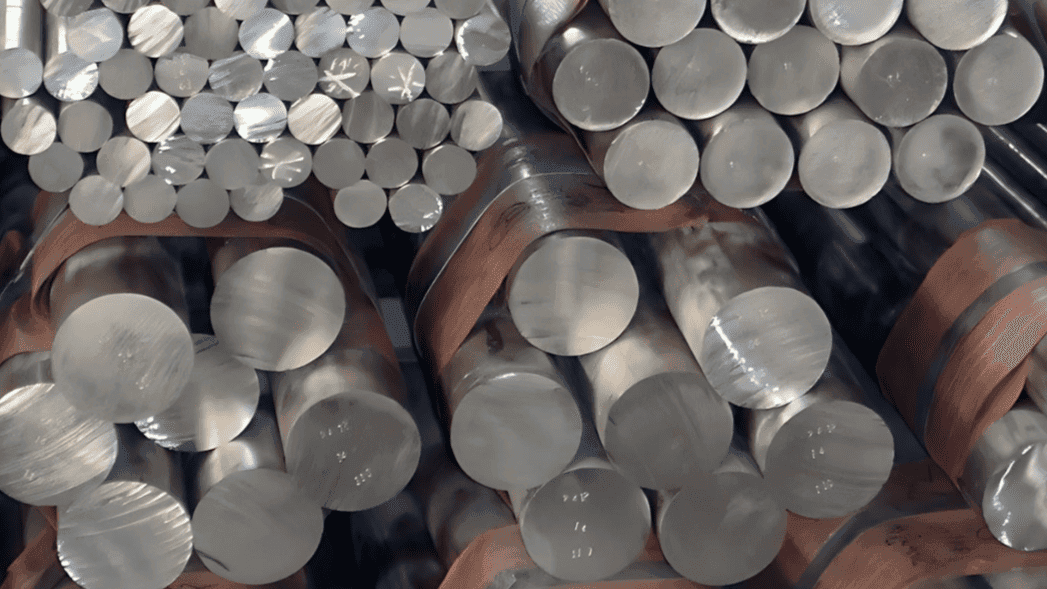
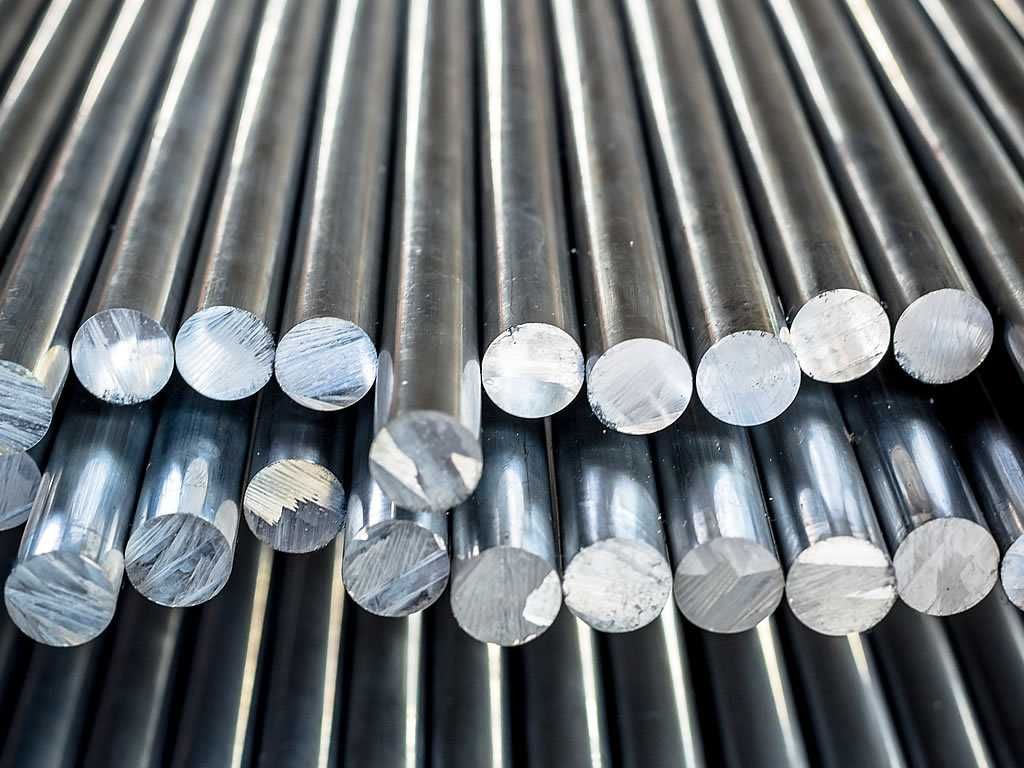
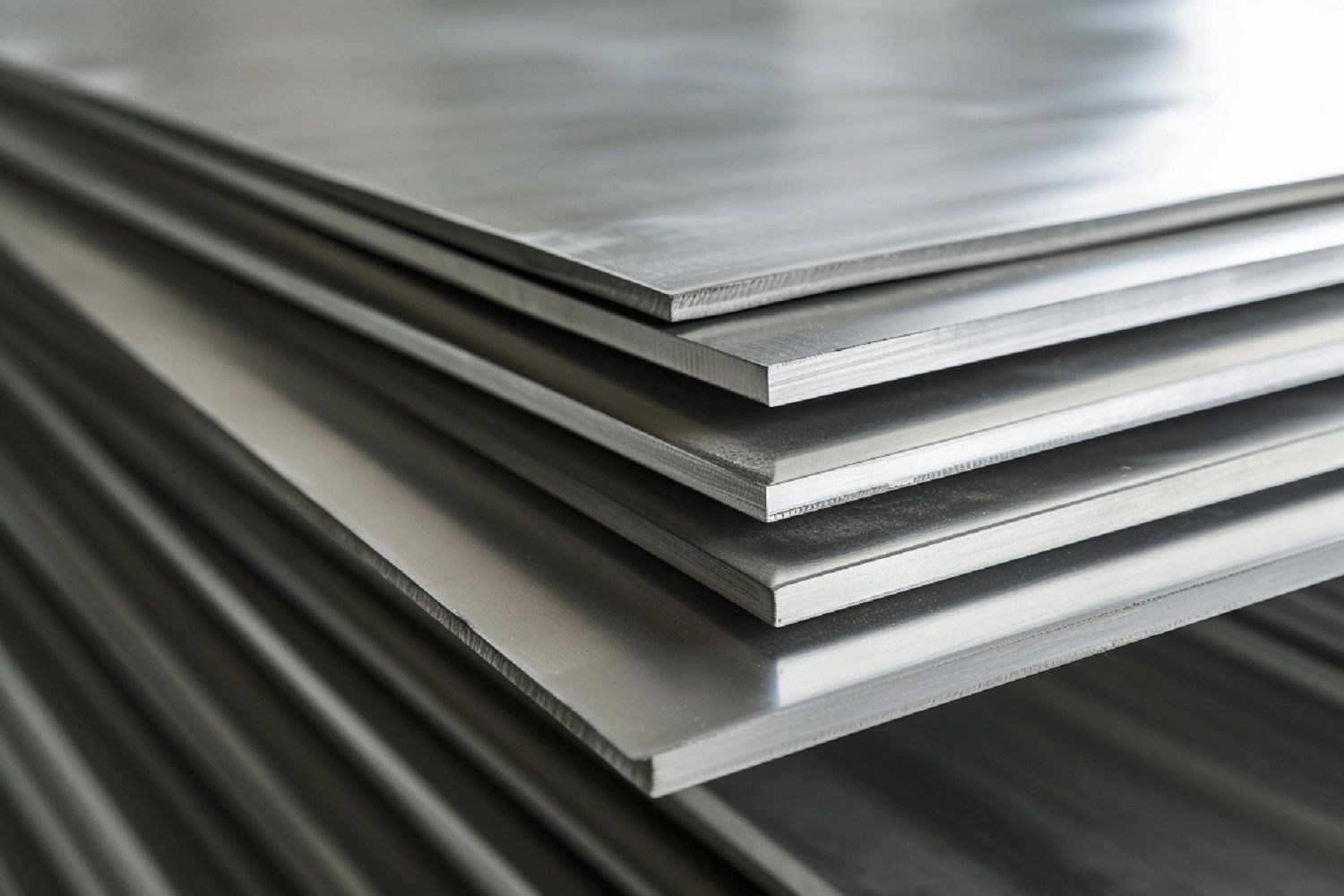
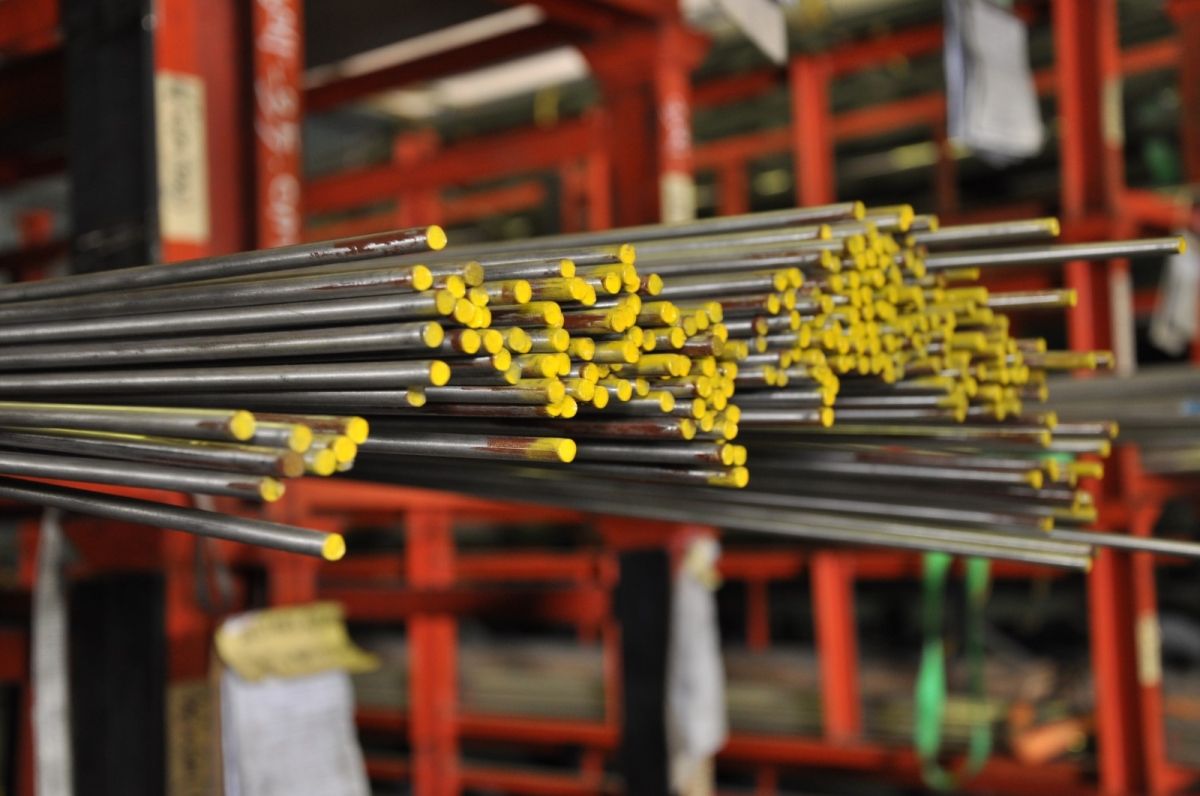
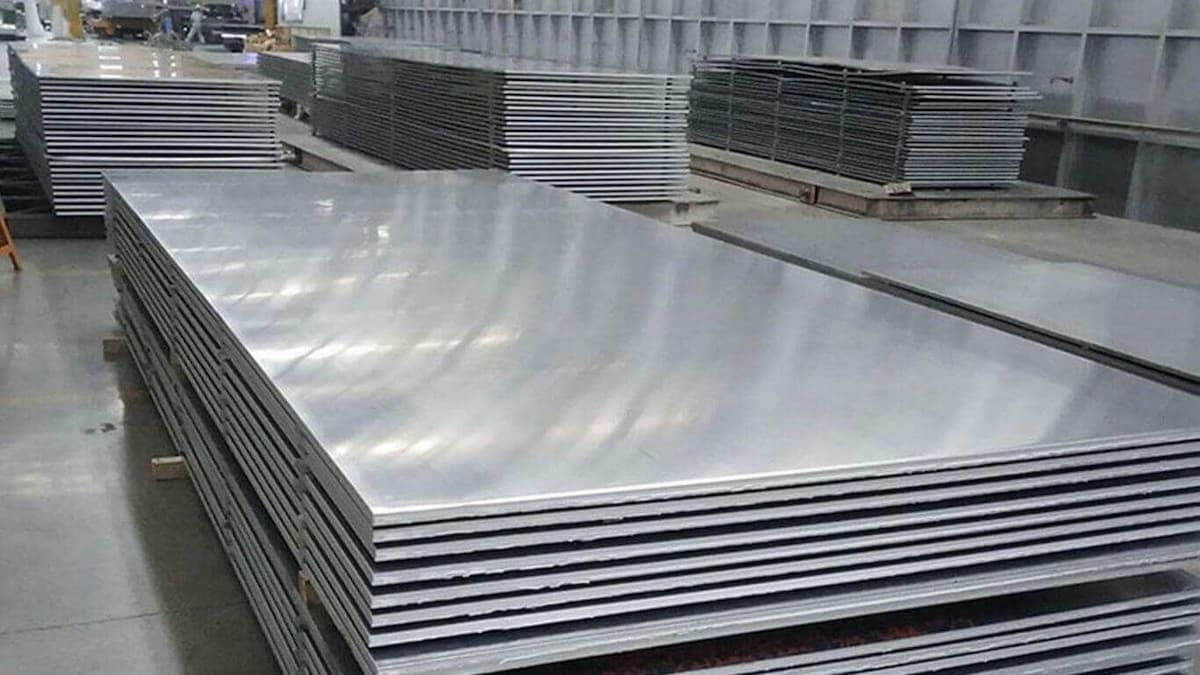
Choose suppliers that stock a wide range of aluminium grades such as:
6061 Aluminium
7075 Aluminium
2024 Aluminium
A diverse inventory ensures:
Faster availability
Reduced dependency on multiple suppliers
Better supply chain flexibility
6. Value-Added Services
Top aluminium suppliers offer additional services like:
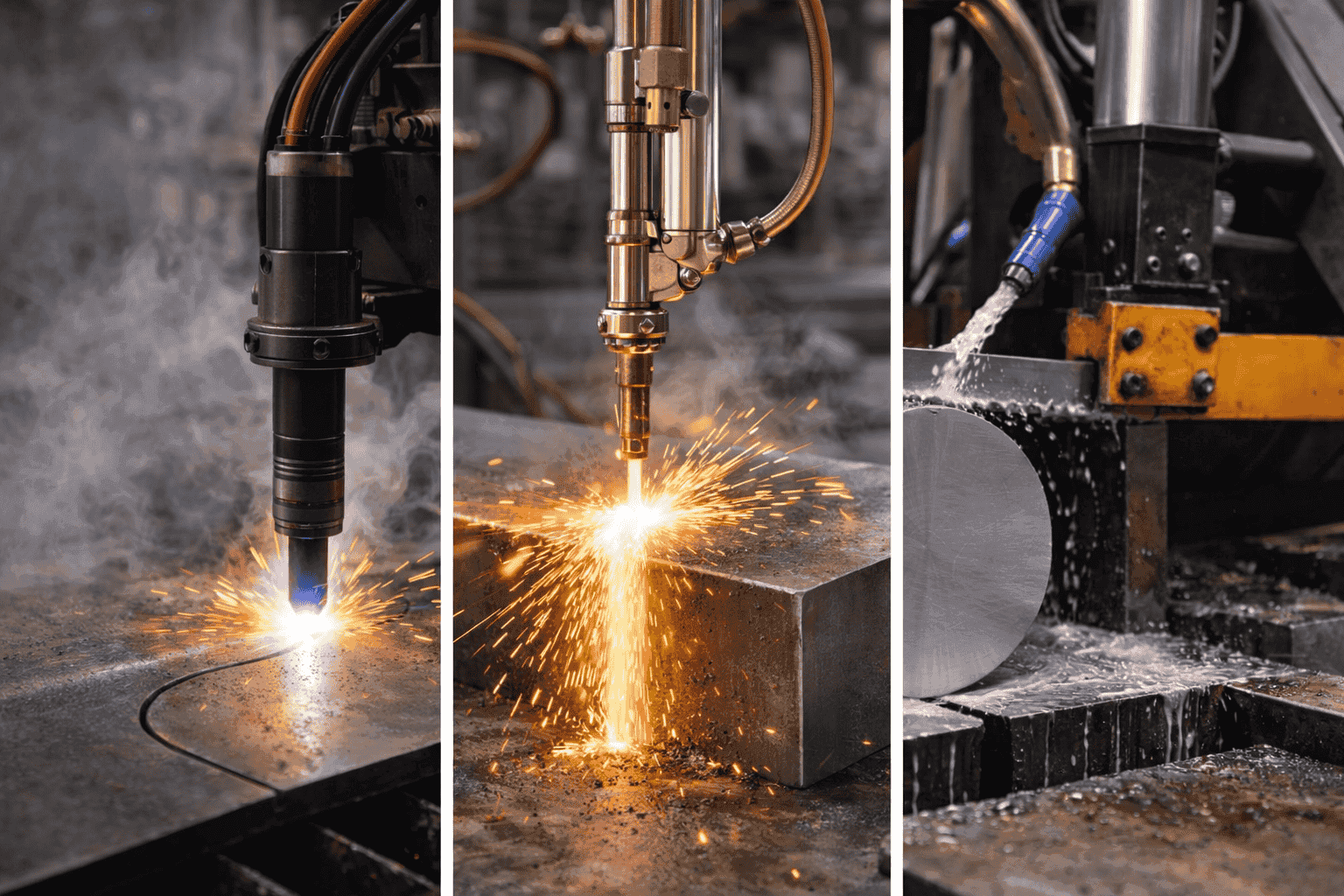
Cutting & machining
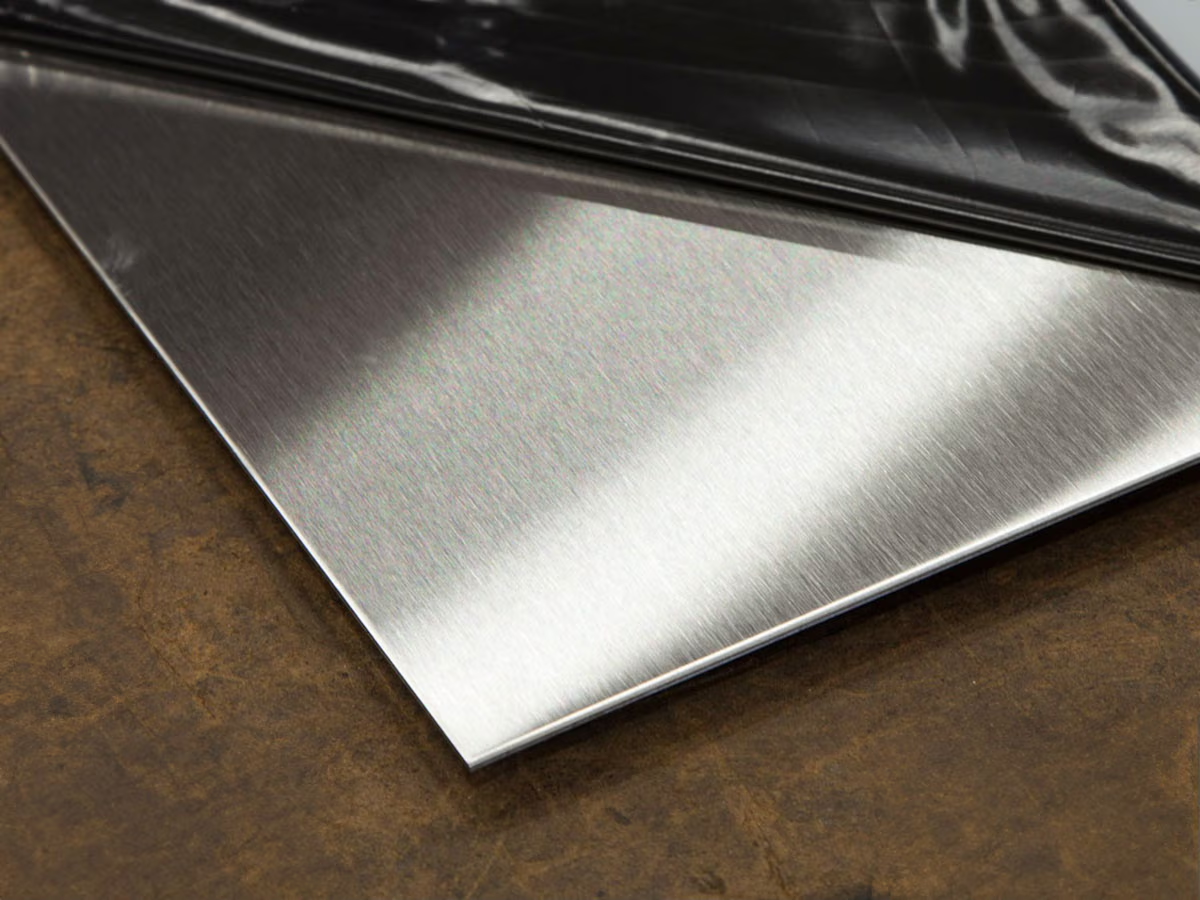
Surface finishing
Custom sizing
These services reduce processing time and improve operational efficiency.
7. Supplier Reliability & Reputation
Always check:
Customer reviews
Industry reputation
Delivery performance history
Reliable suppliers maintain consistency in quality and service over time.
Common Mistakes When Choosing an Aluminium Supplier
Avoid these common errors:
Choosing based on price only
Ignoring certifications and compliance
Not checking delivery timelines
Working with suppliers without stock availability
Lack of supplier evaluation process
Aluminium Supplier Selection Checklist
Use this checklist before finalizing a supplier:
Certifications verified (ISO, ASTM)
Material quality confirmed
Lead time clearly defined
Pricing transparency ensured
Inventory availability checked
Documentation (MTR) ready
Supplier reputation validated
Local vs Global Aluminium Suppliers
Choosing between local and international suppliers depends on your priorities:
Local Suppliers:
Faster delivery
Lower logistics cost
Better communication
Global Suppliers:
Wider material range
Competitive pricing
Bulk availability
A balanced sourcing strategy often works best.
How to Evaluate Aluminium Suppliers
Procurement teams should use a structured evaluation approach:
Define requirements
Create selection criteria
Compare suppliers using scorecards
Conduct supplier audits
Monitor performance
A data-driven evaluation process ensures better decision-making and long-term supplier partnerships.
FAQs
What is the most important factor when choosing an aluminium supplier?
Quality and reliability are the most important factors, followed by lead time and pricing.
How do aluminium suppliers ensure quality?
Through certifications, quality control systems, and material traceability such as Mill Test Reports.
Why is lead time important in aluminium supply?
Delays in material supply can disrupt production schedules and increase operational costs.
Should I choose local aluminium suppliers?
Local suppliers offer faster delivery and better support, making them ideal for time-sensitive projects.
What certifications should aluminium suppliers have?
ISO 9001, ASTM standards, and EN certifications are commonly required.
Conclusion
Choosing the best aluminium supplier is not just about cost—it is about quality, reliability, and long-term value. By evaluating suppliers based on certifications, lead time, pricing, and capabilities, businesses can build a strong and efficient supply chain. A well-chosen supplier ensures consistent material performance, reduced delays, and improved operational success.