Q1: What is the difference between alloy steel and carbon steel?
Carbon steel achieves strength through carbon content alone. Alloy steel uses additional elements — chromium, molybdenum, nickel, vanadium — to achieve higher strength, better hardenability, improved toughness, or thermal stability that carbon alone cannot deliver.
Q2: What is the most commonly used alloy steel grade?
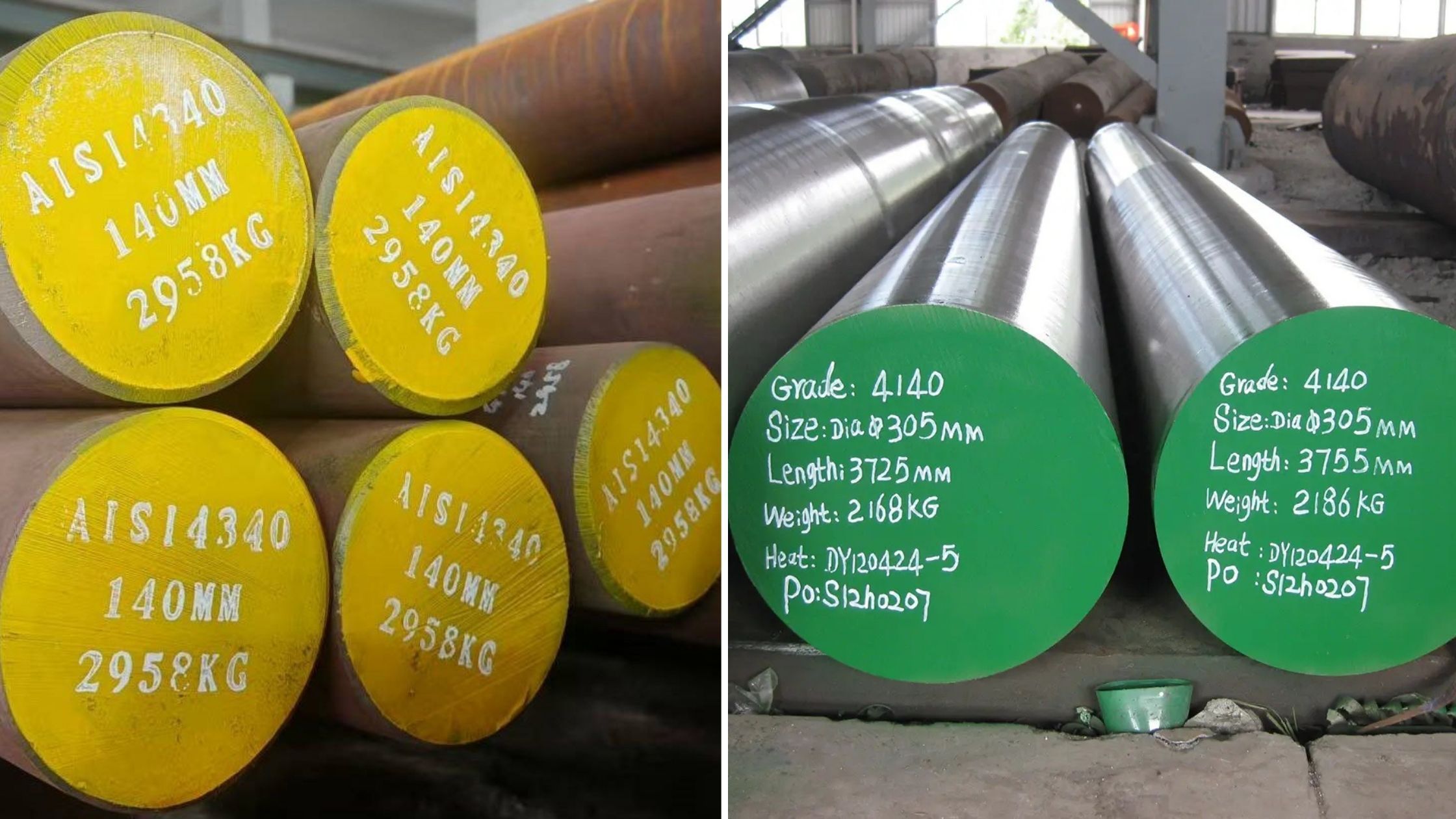
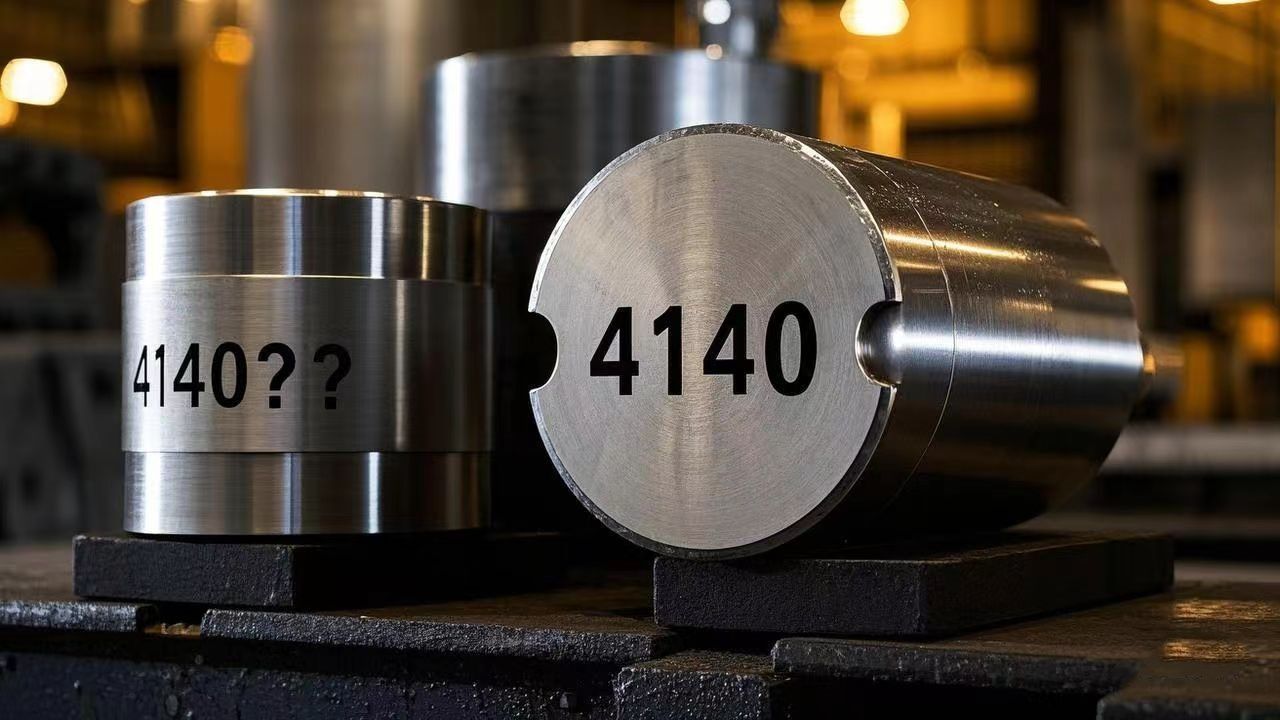
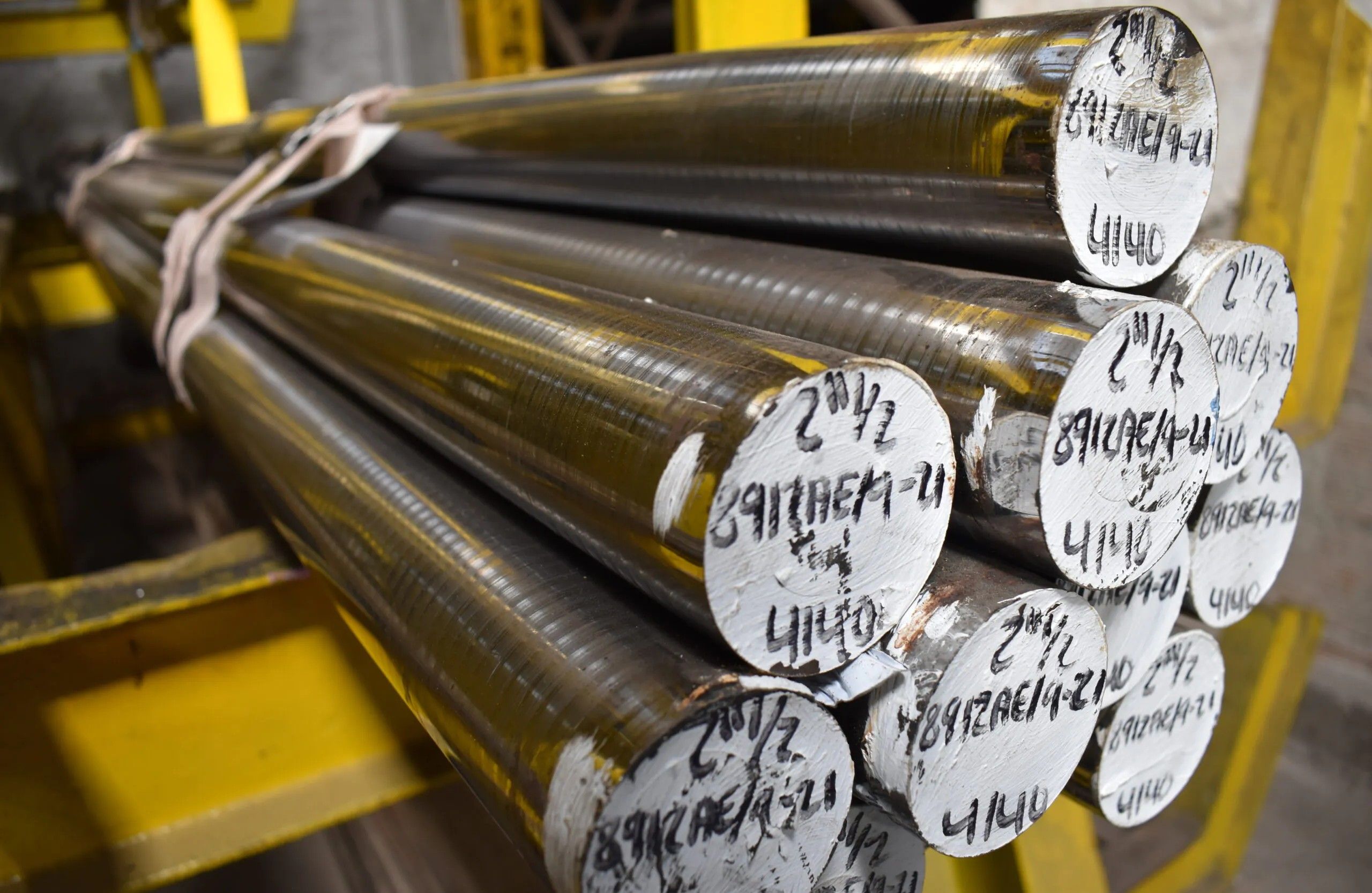
4140 (chromium-molybdenum) is the most widely used alloy steel globally due to its excellent balance of strength, toughness, weldability, and machinability at a reasonable cost.
Q3: Is stainless steel an alloy steel?
Yes. Stainless steel is technically a high alloy steel — it contains more than 10.5% chromium, which forms a passive oxide layer that provides corrosion resistance. However, in industrial practice, "alloy steel" and "stainless steel" are treated as separate categories.
Q4: What does "Q&T" mean on a material certificate?
Q&T stands for Quenched and Tempered — a two-stage heat treatment where the steel is first rapidly cooled (quenched) to achieve hardness, then reheated to a lower temperature (tempered) to reduce brittleness and optimize toughness.
Q5: Can alloy steel be welded?
Yes, but weldability varies by grade. Lower-carbon grades like 4130 weld easily. Higher-carbon grades like 4140 require preheat (typically 200–300°C) and post-weld heat treatment to prevent cracking. Always check the carbon equivalent (CE) before welding.
Q6: What is an MTR and why do I need one?
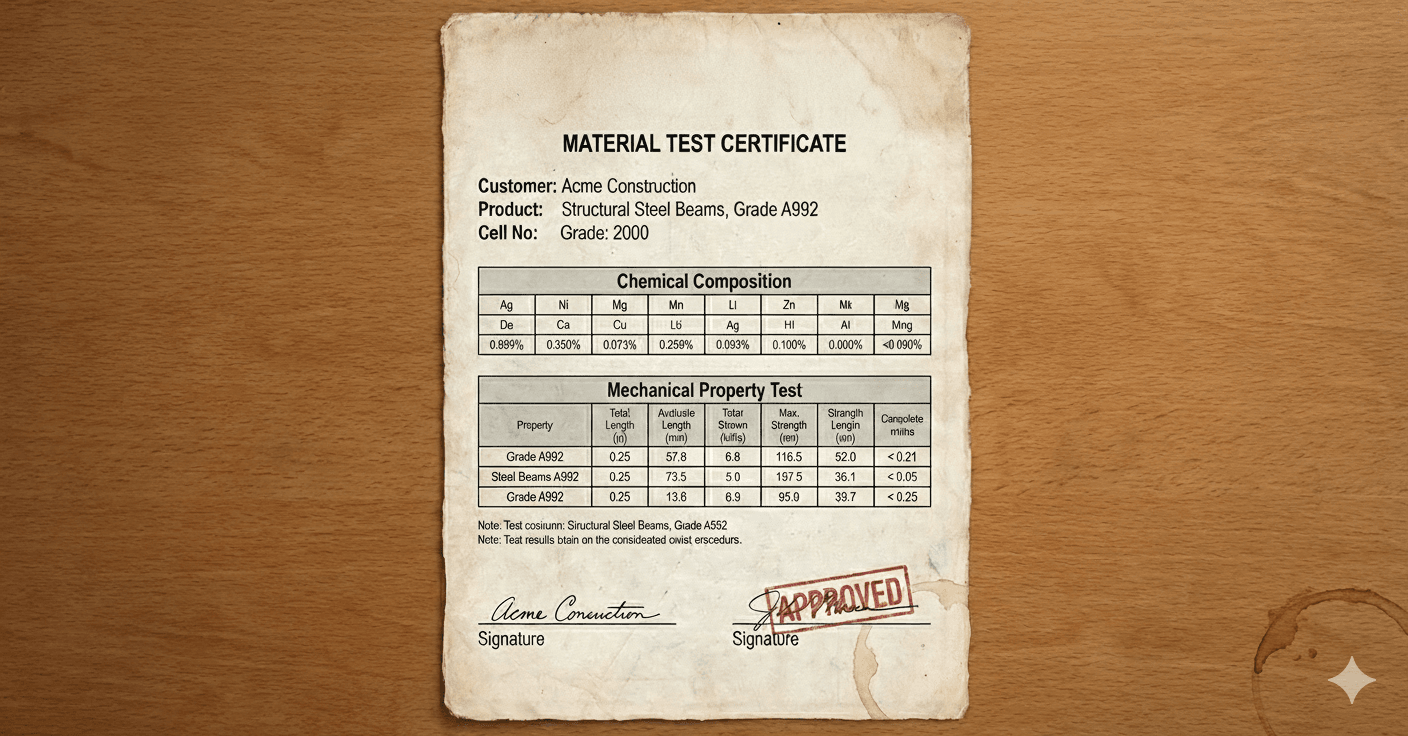
An MTR (Mill Test Report) is a quality document issued by the steel mill certifying the chemical composition and mechanical test results of a specific heat or batch. It is mandatory for any safety-critical application and required for traceability under most industry standards (ASTM, API, DIN).
Q7: How do I choose between 4140 and 4340 alloy steel?
Use 4140 for most general industrial applications up to ~75mm cross-section. Choose 4340 when you need deeper hardenability in large cross-sections (>75mm), higher impact toughness, or aerospace/defense-grade performance — accepting the higher cost.