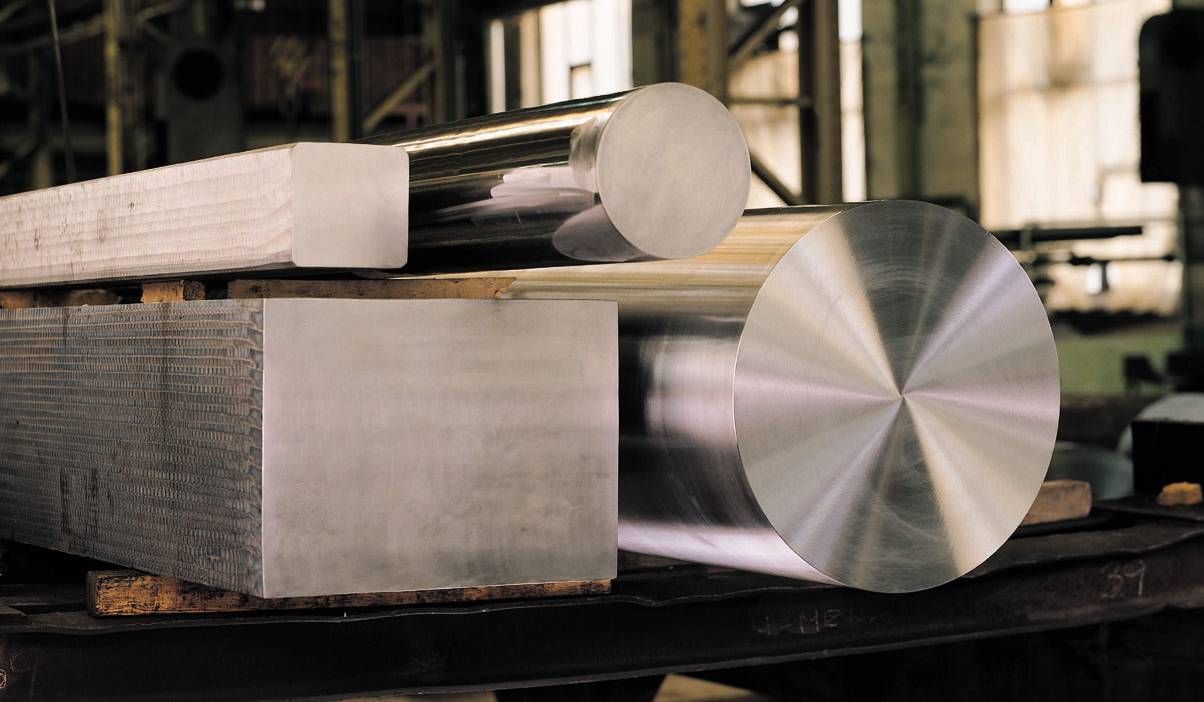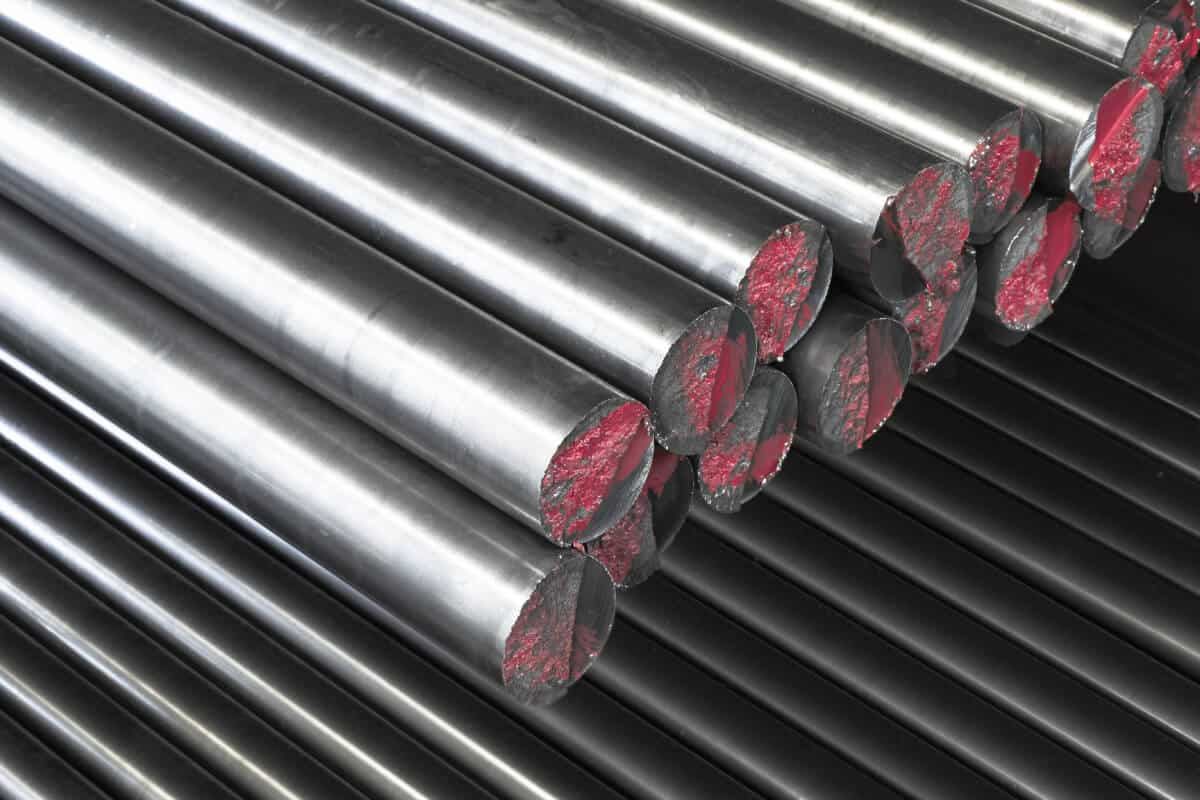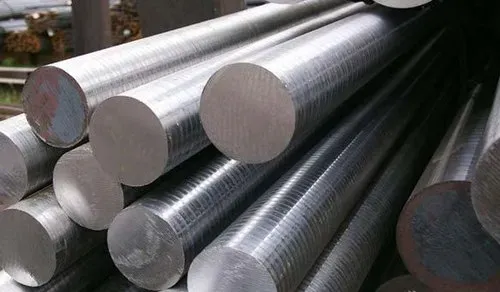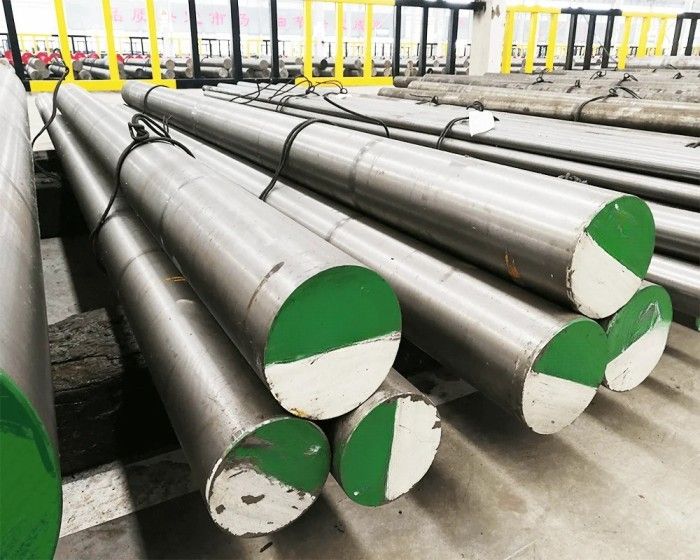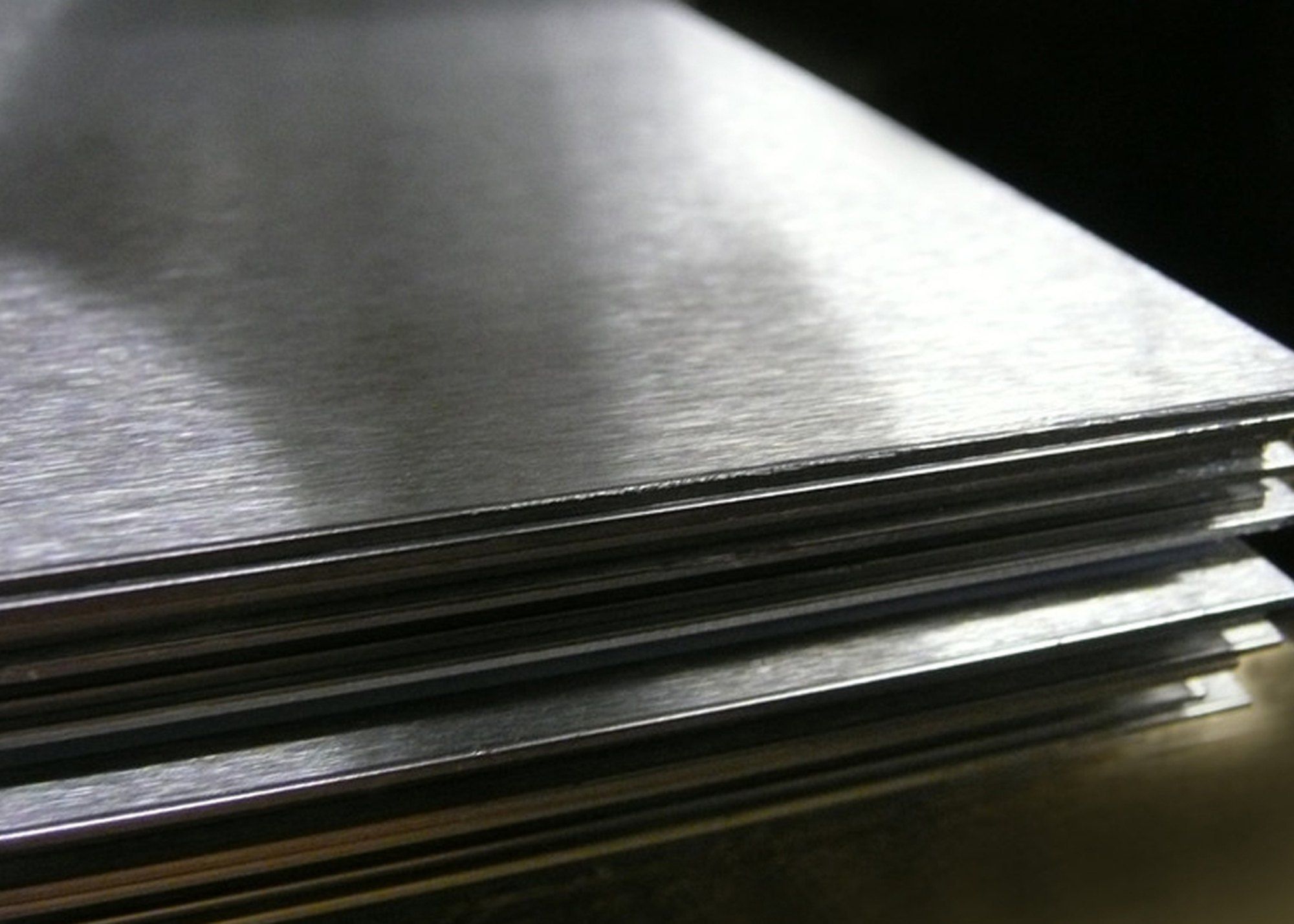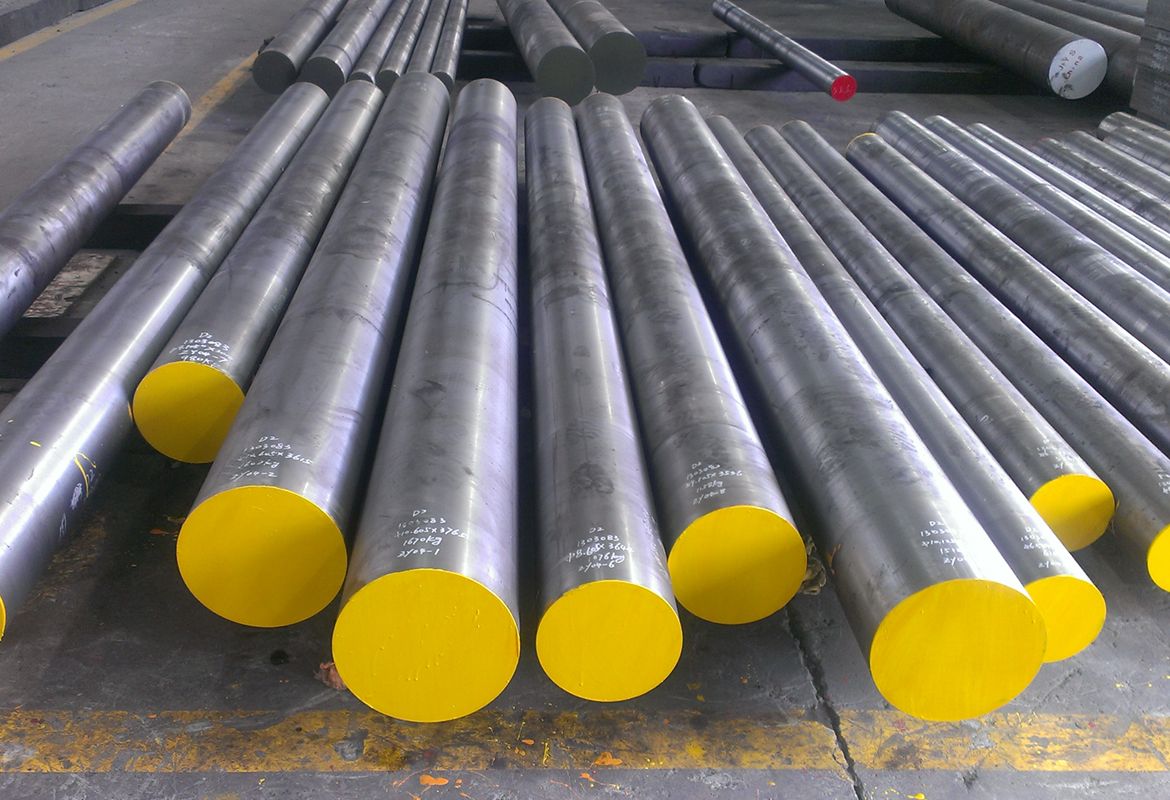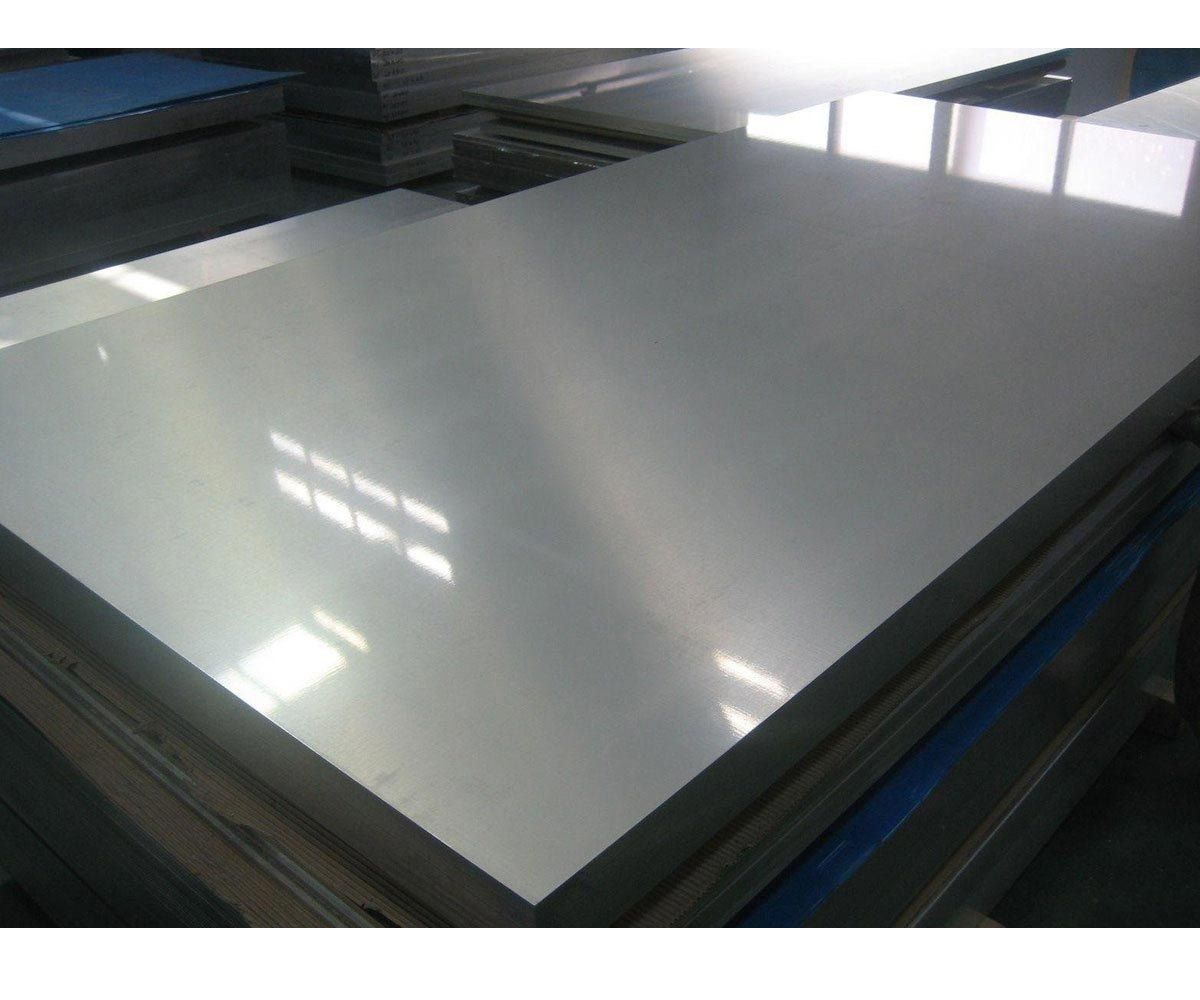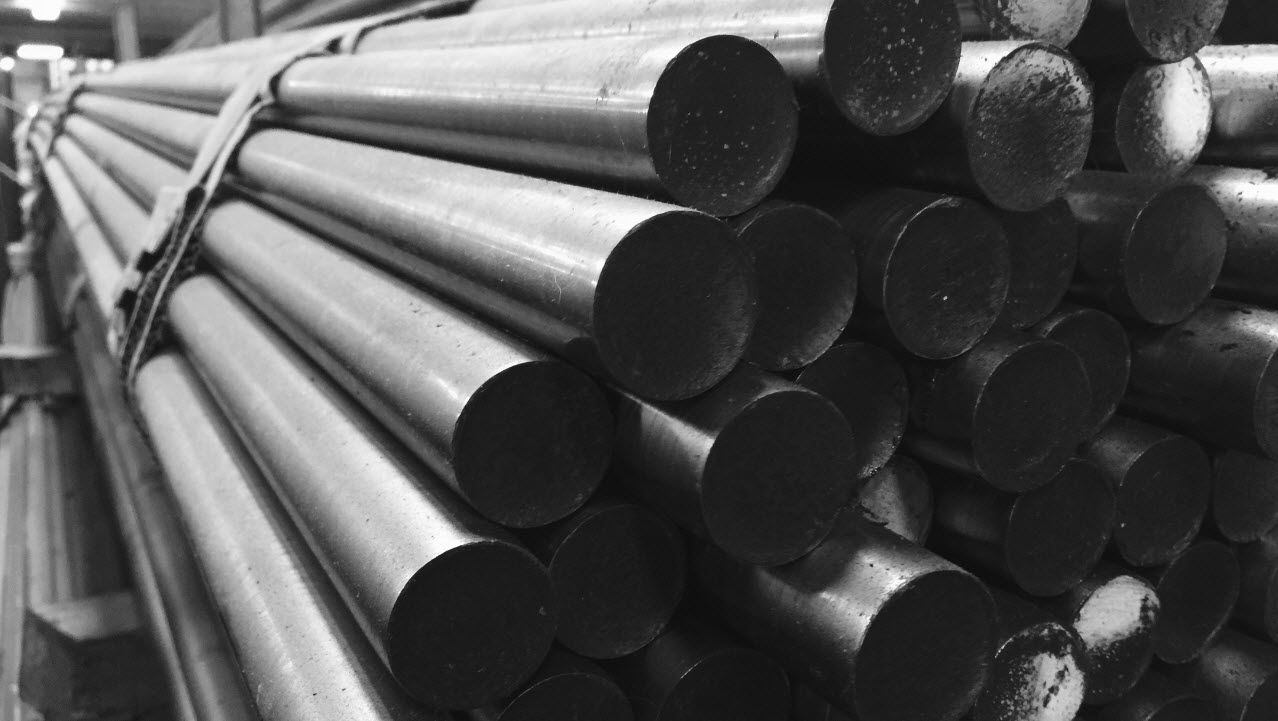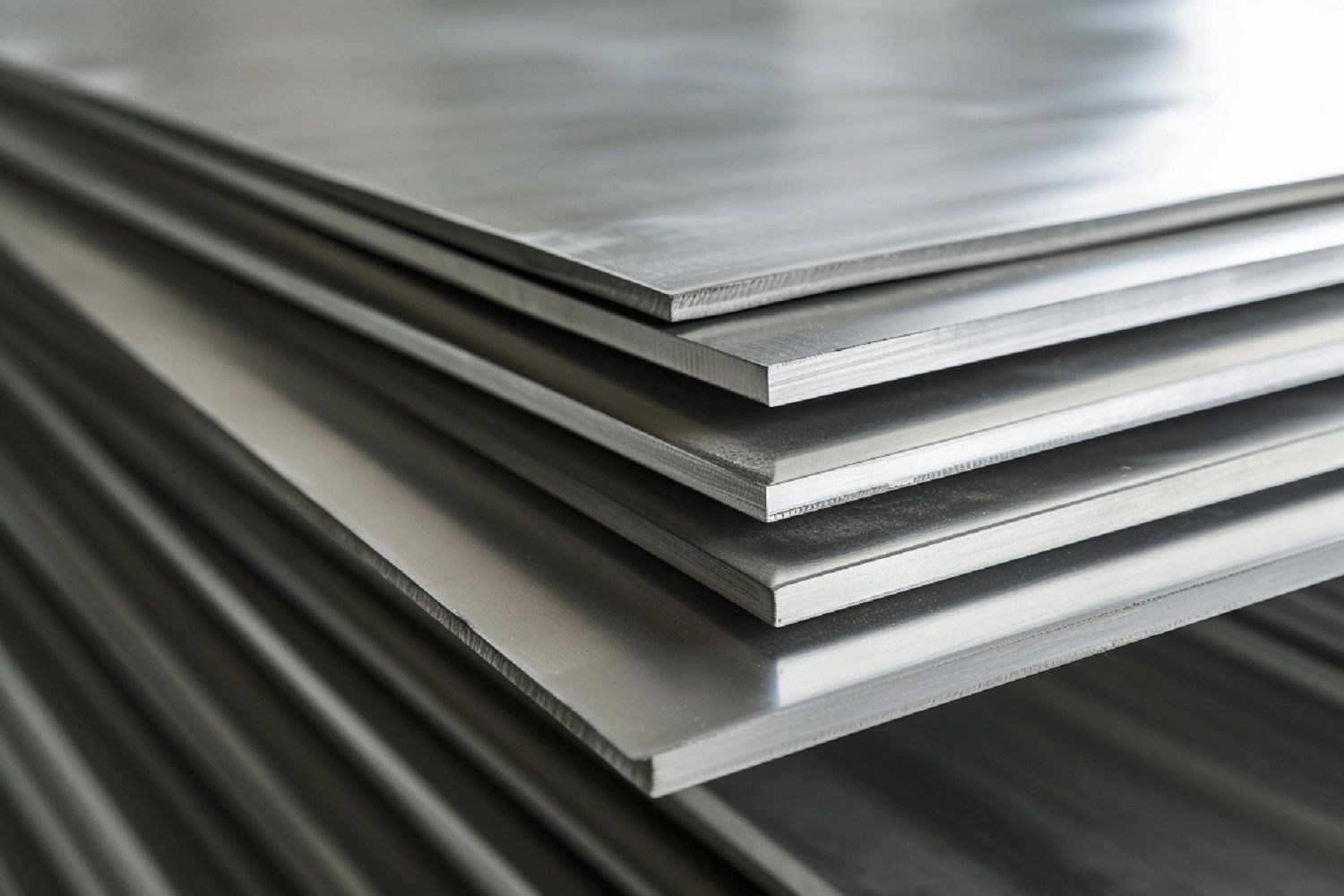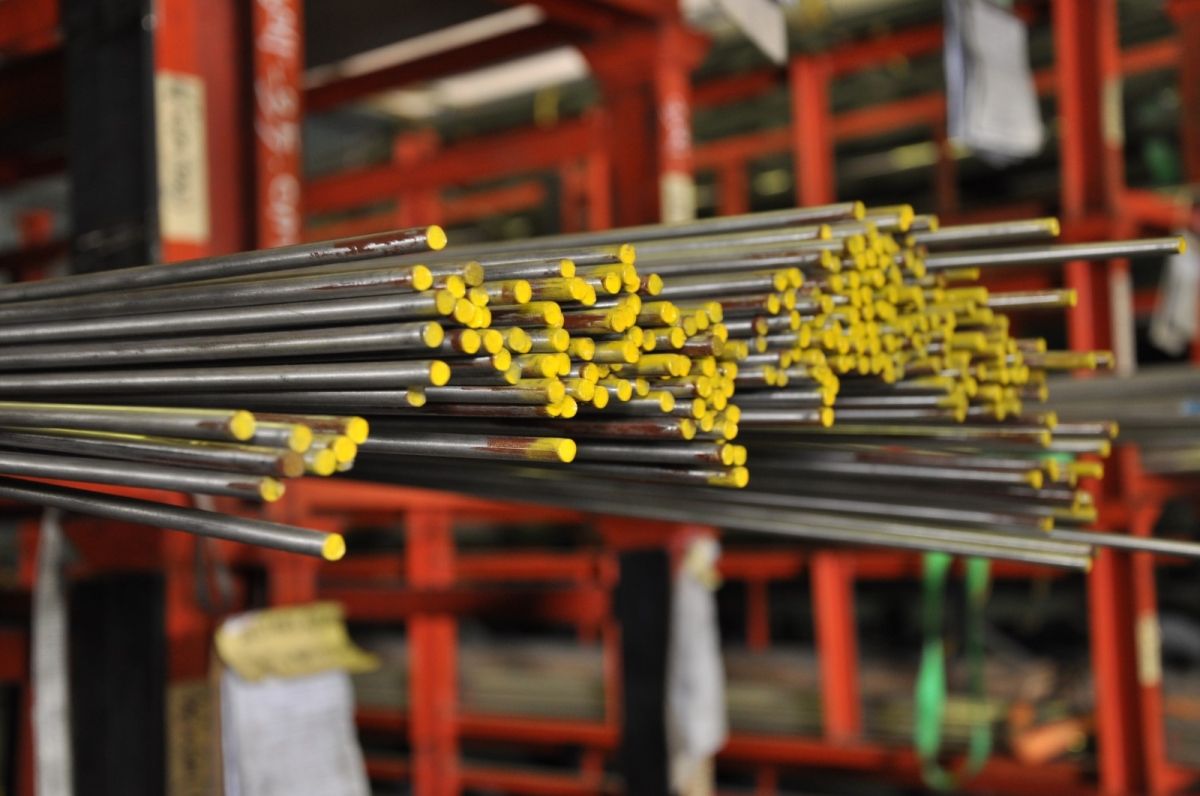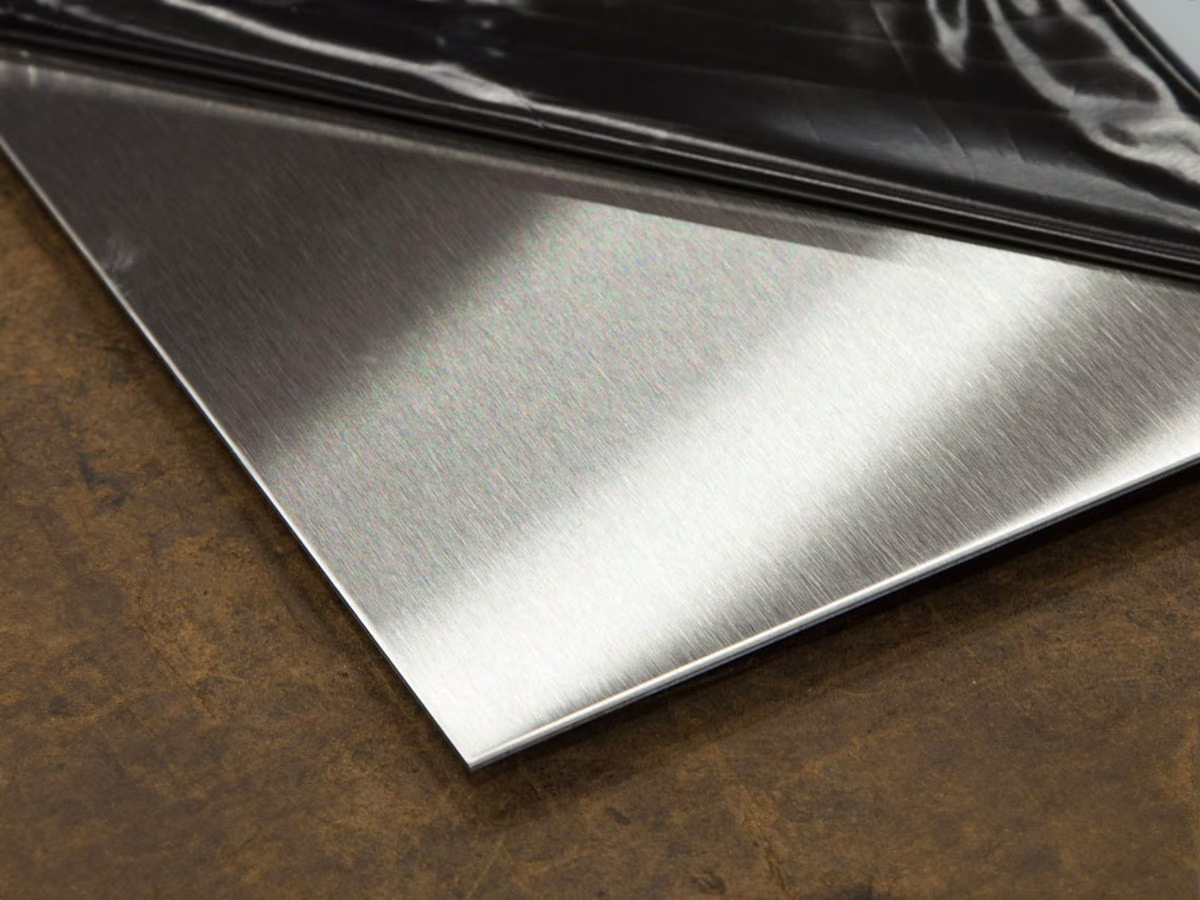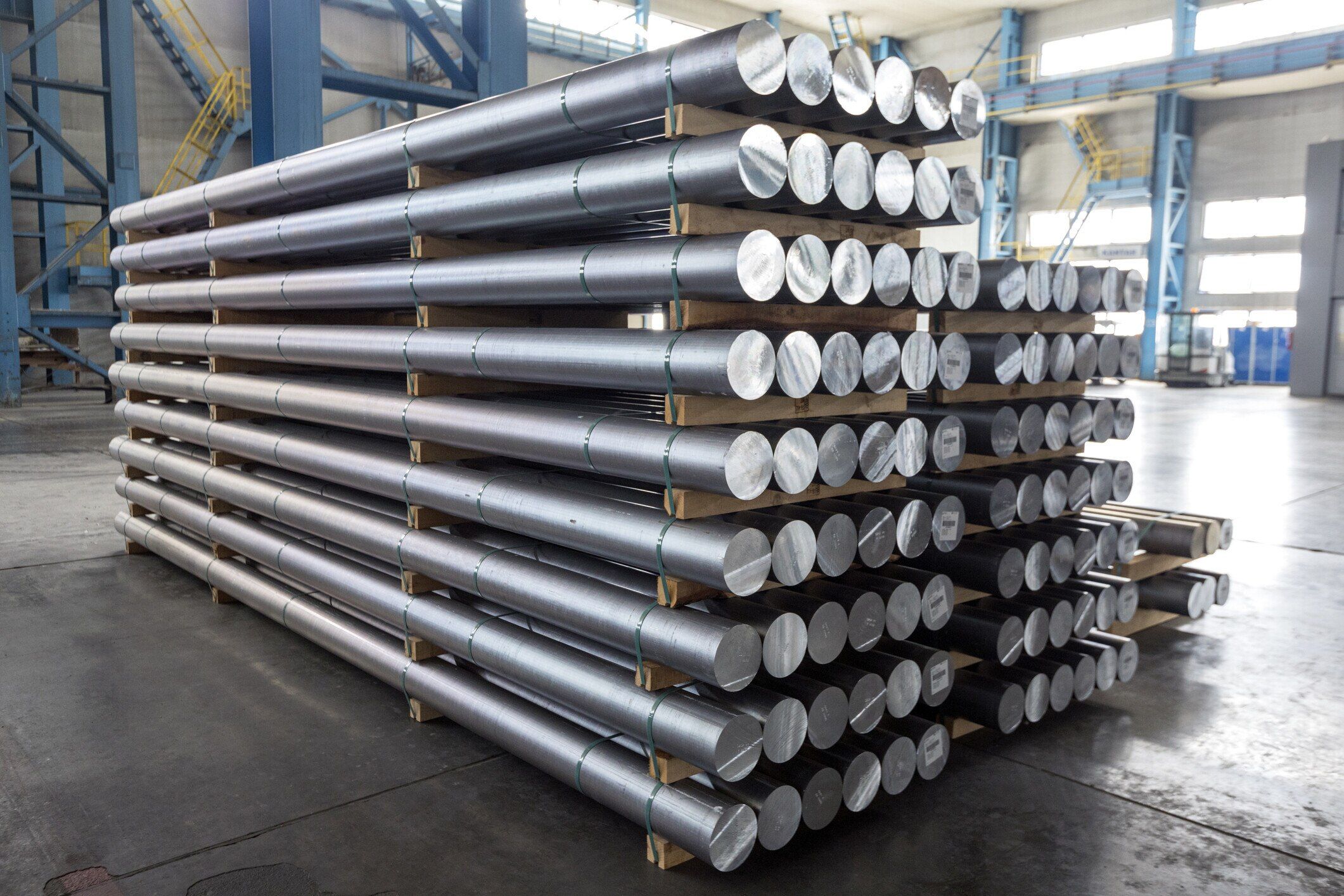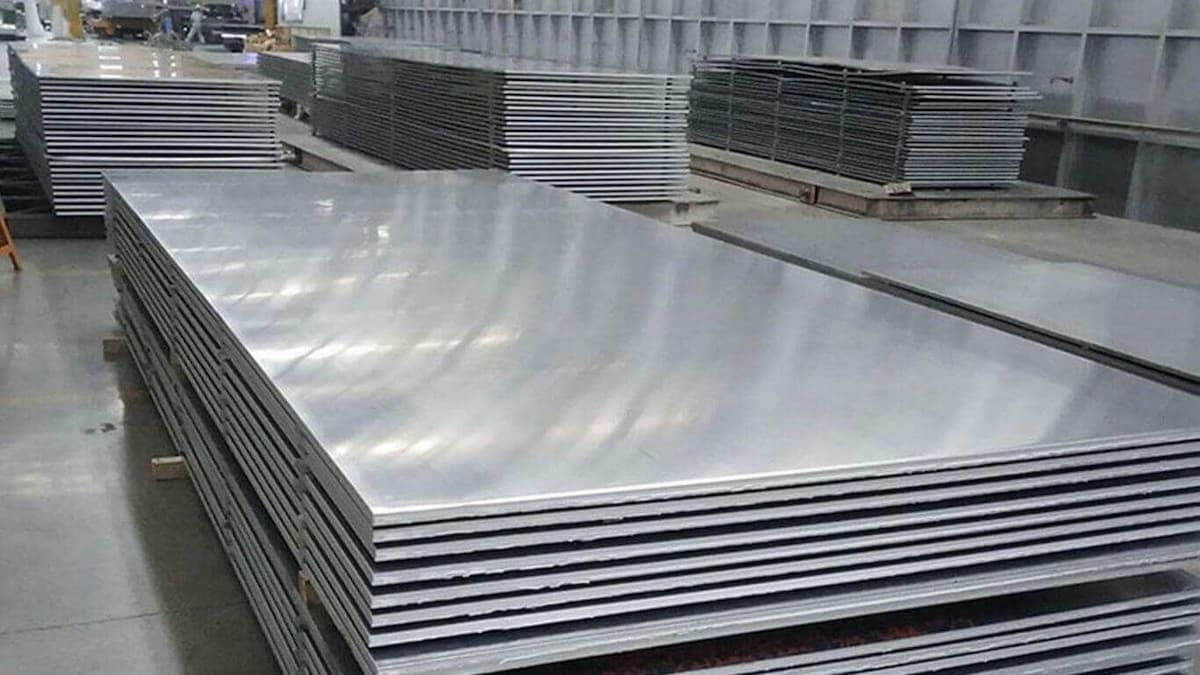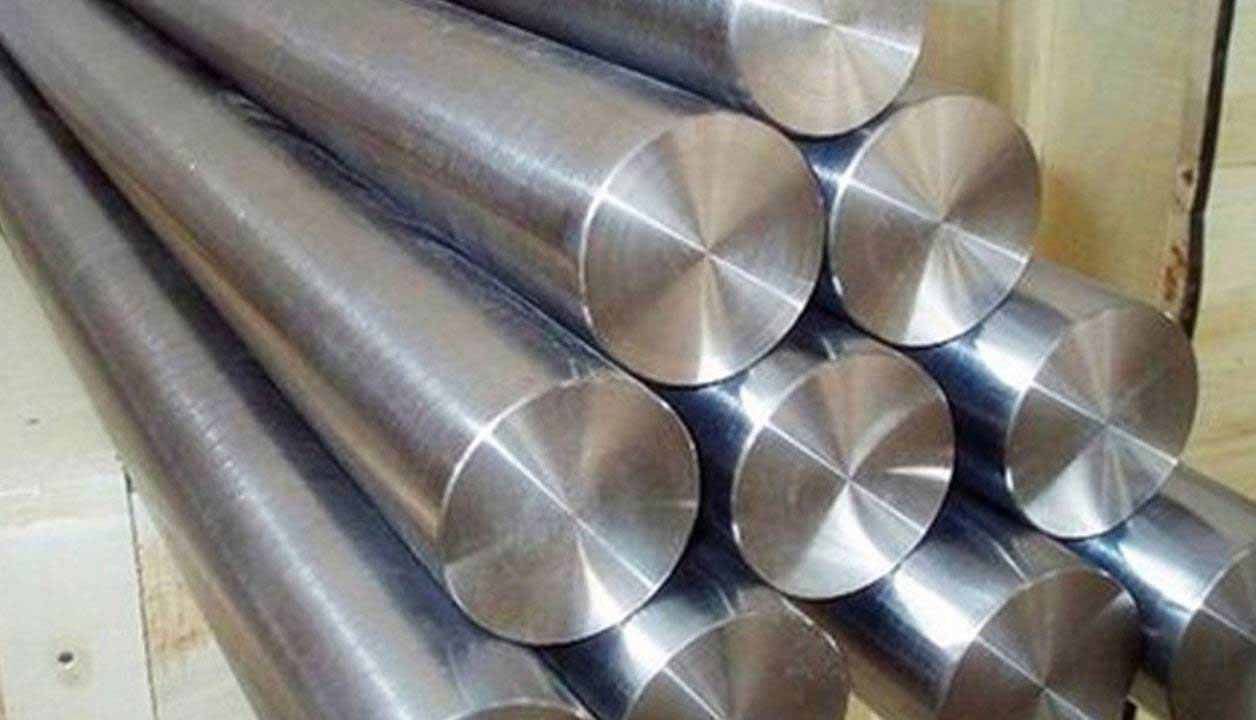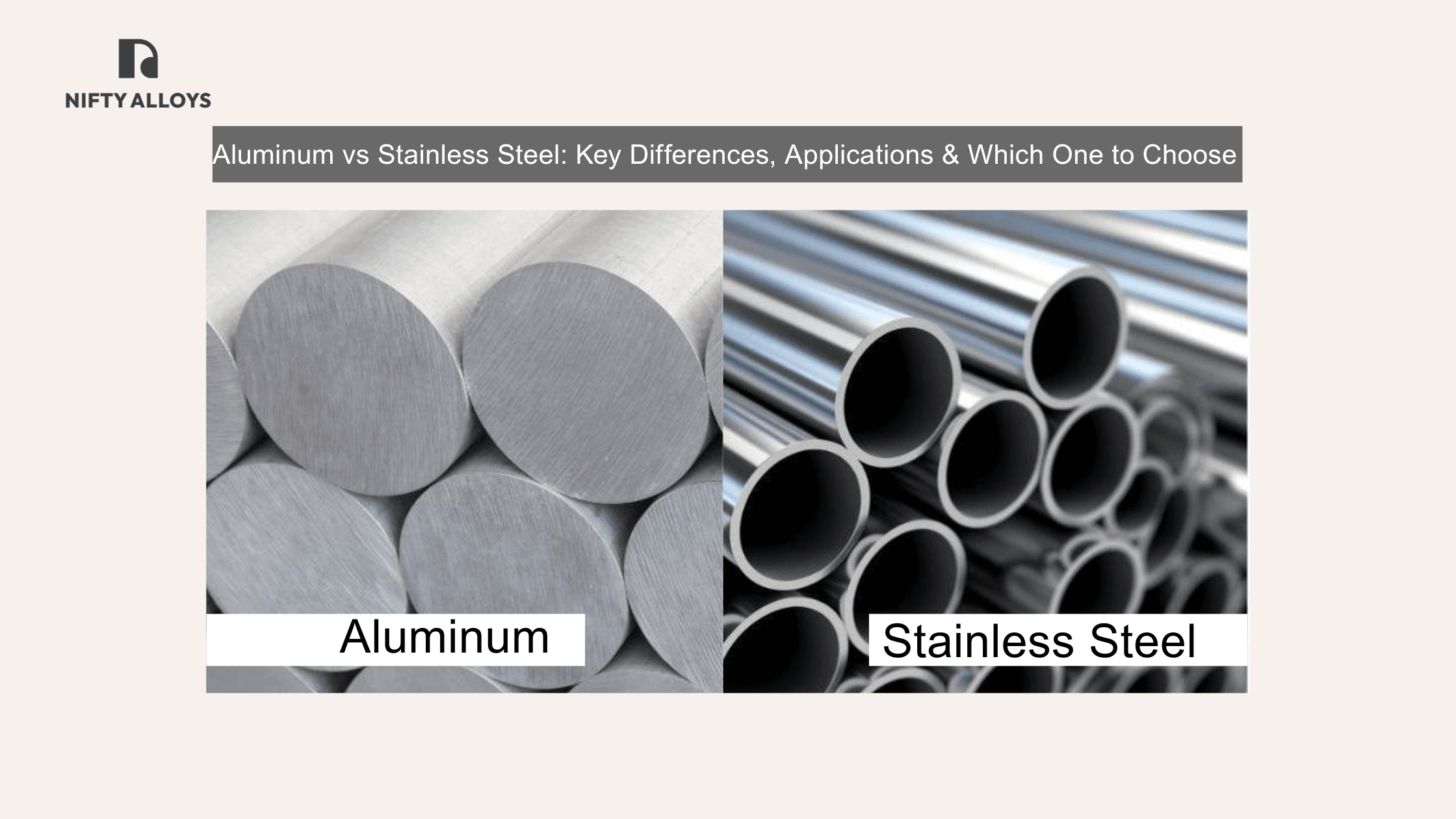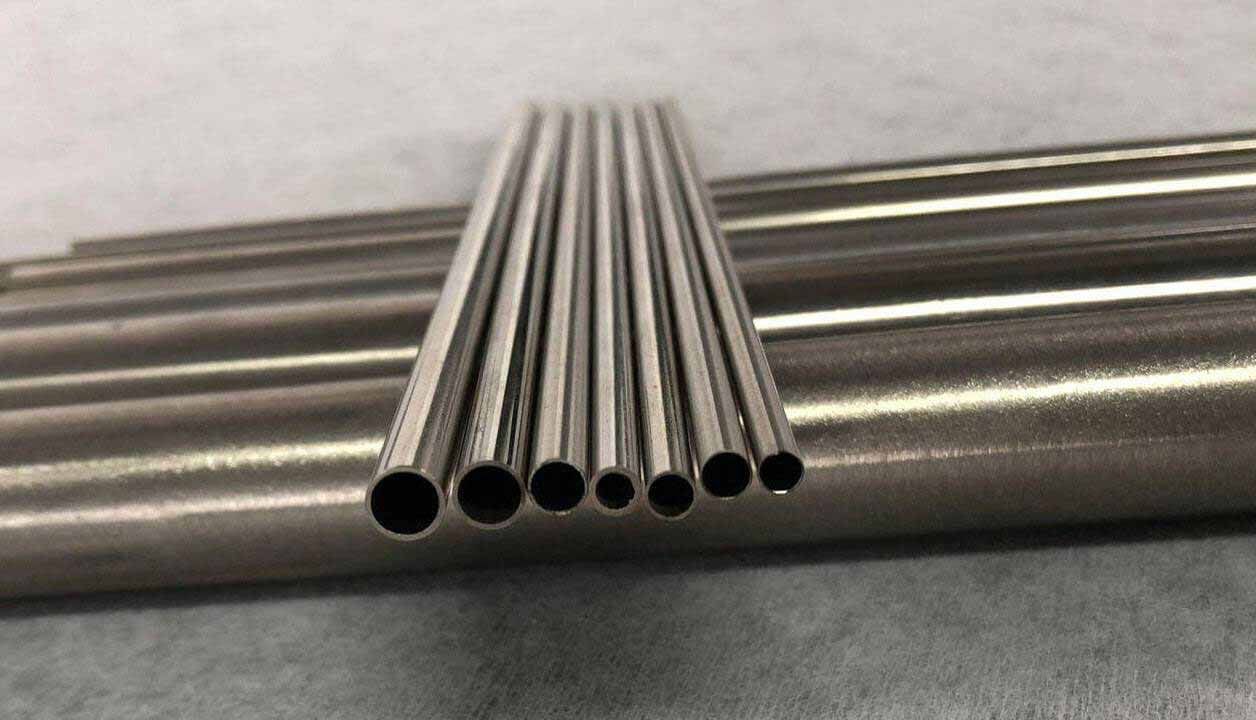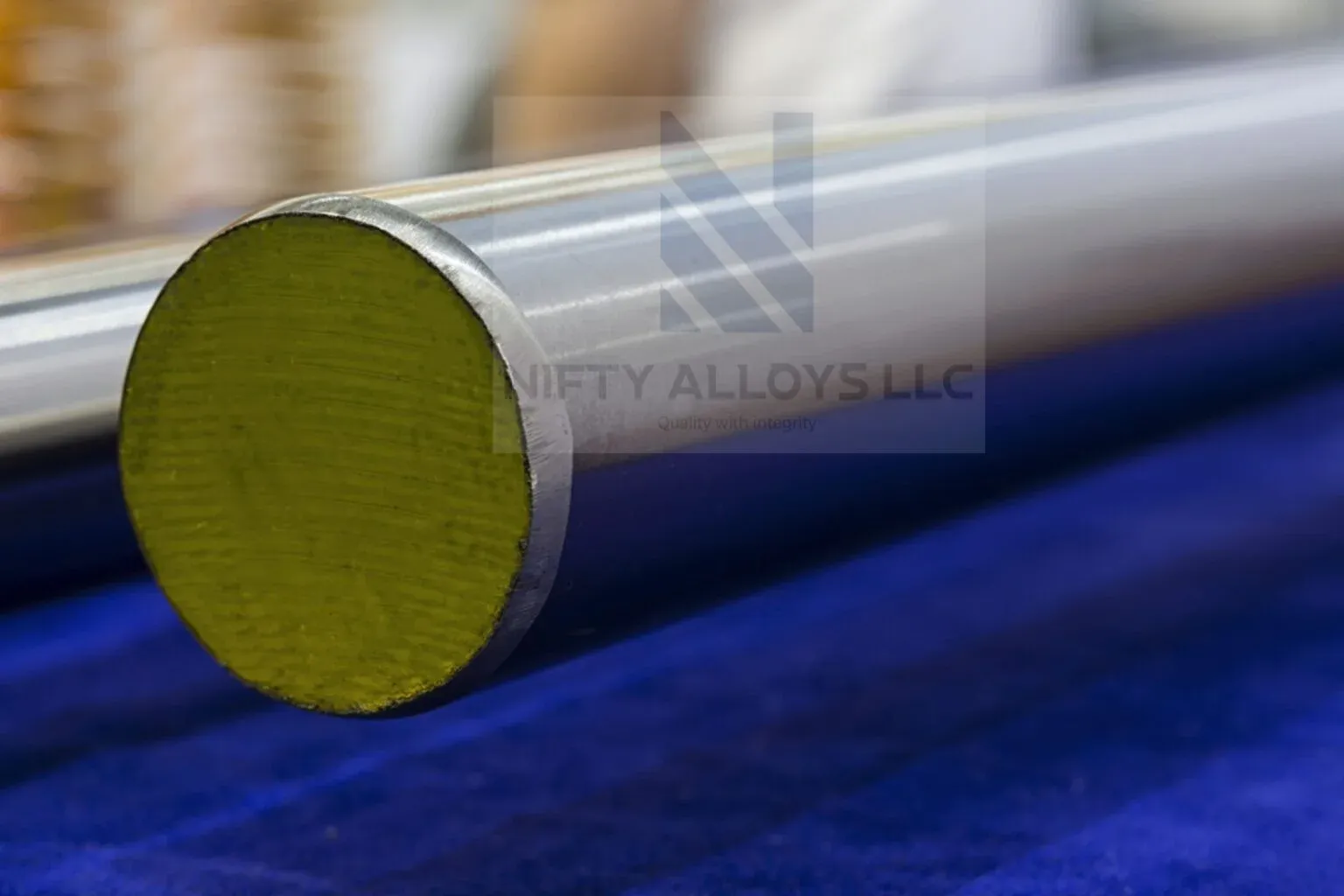
Stainless steel is an iron-based alloy containing a minimum of 10.5% chromium. This chromium content creates a passive, self-repairing oxide layer on the surface, which provides its signature "stainless" quality and corrosion resistance. By adding other elements like nickel, molybdenum, and titanium, manufacturers can enhance specific properties, creating different grades suited for various applications. These grades are typically categorized into several families.
The main families of stainless steel are:
- Austenitic: The most common family, known for excellent corrosion resistance and formability.
- Martensitic: Valued for high hardness and strength, making them ideal for cutting tools and high-wear parts.
- Precipitation Hardening (PH): A specialized family that combines high strength with good corrosion resistance through heat treatment.
Each family possesses a unique combination of mechanical properties. For example, austenitic grades are generally non-magnetic and cannot be hardened by heat treatment, while martensitic grades are magnetic and can be. As a supplier founded in 2020, Nifty Alloys has established expertise in sourcing materials from all these families, including complex equivalent grades for critical industries like aerospace and oil and gas.
Family | Example Grades | Main Features | Typical Uses |
| Austenitic | 304, 316, 321 | Excellent corrosion resistance, good formability, non-magnetic. | Food processing equipment, chemical tanks, architectural structures. |
| Martensitic | 410, 420 | High strength and hardness, good wear resistance, magnetic. | Cutlery, surgical instruments, valves, turbine blades. |
| Precipitation Hardening | 17-4PH | Very high strength, good corrosion resistance, good toughness. | Aerospace components, high-performance shafts, pump parts. |