
The density of steel is a physical property that represents how much mass is contained within a specific volume. It is derived from the base element, iron, which has a density of approximately 7.87 g/cm³. Since steel is an alloy composed primarily of iron with a small percentage of carbon and other elements (such as manganese, silicon, chromium, and nickel), its density fluctuates slightly based on the specific "recipe" of the grade.
Published: 2025-12-09 11:55:00
Density of Steel: Values, Grades and Comparison Table
By akshai • Updated 2025-12-09 11:55:00 •
What Is the Density of Steel?
Density comparison table
| Steel grade / type | Density (g/cm³) | Density (kg/m³) | Common standard | Typical application |
| Mild steel / carbon steel | 7.85 | 7,850 | ASTM A36, S355 | Structural, fabrication |
| Stainless steel 304 | 7.93 | 7,930 | ASTM A276 / EN 1.4301 | Food, chemical, marine |
| Stainless steel 316L | 7.98 | 7,980 | ASTM A276 / EN 1.4404 | Oil & gas, offshore |
| Stainless steel 321 | 7.90 | 7,900 | ASTM A276 / EN 1.4541 | High-temperature service |
| Duplex 2205 | 7.80 | 7,800 | UNS S32205 | Pressure vessels, marine |
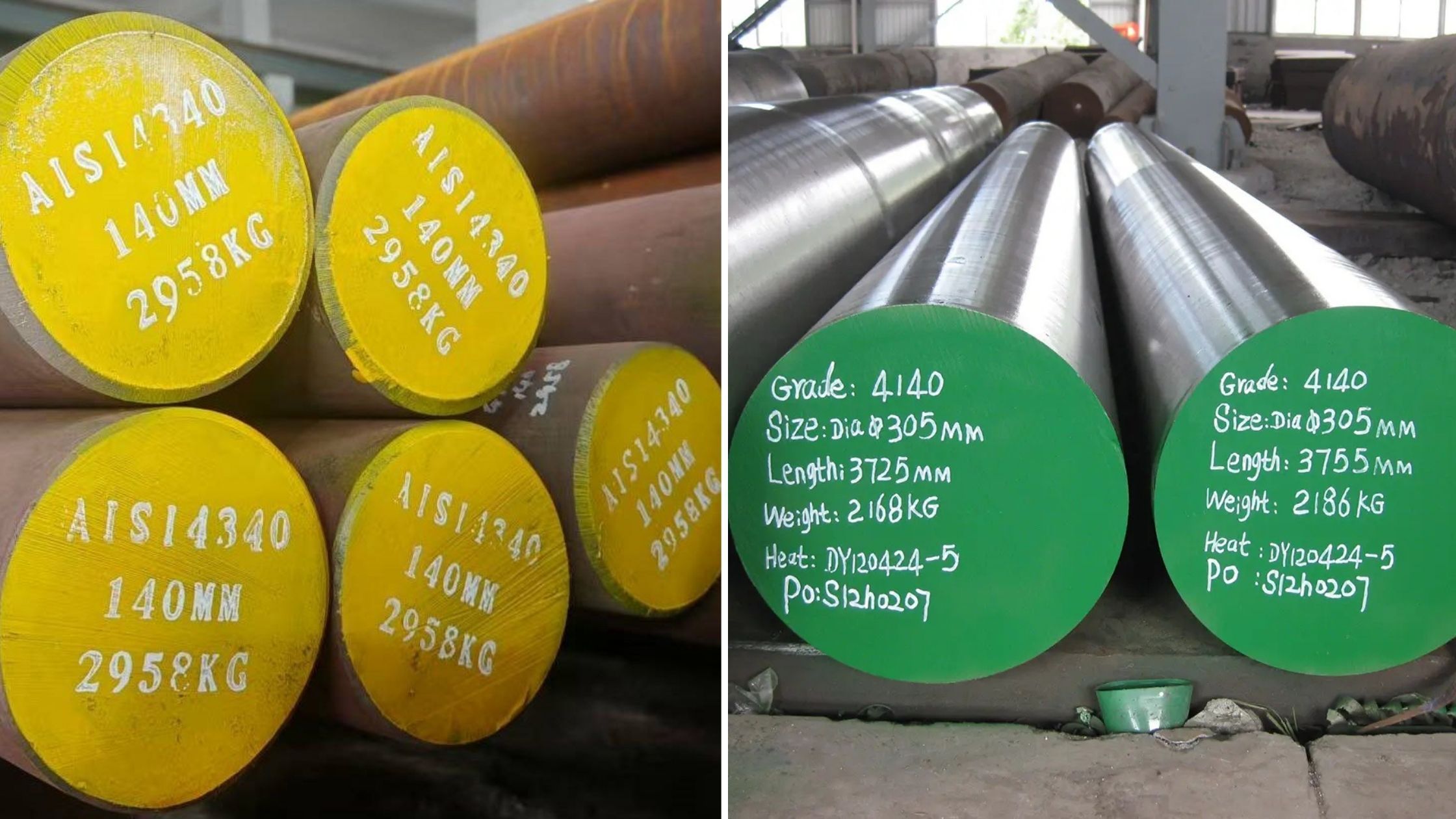
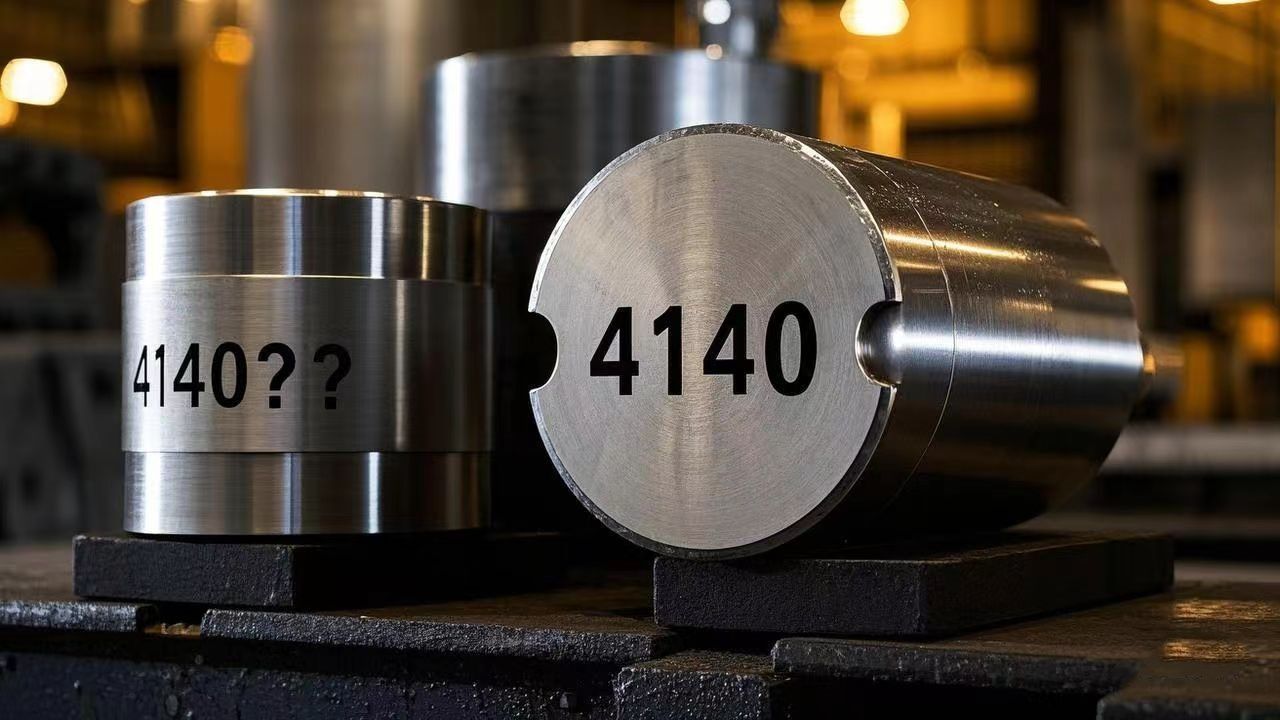
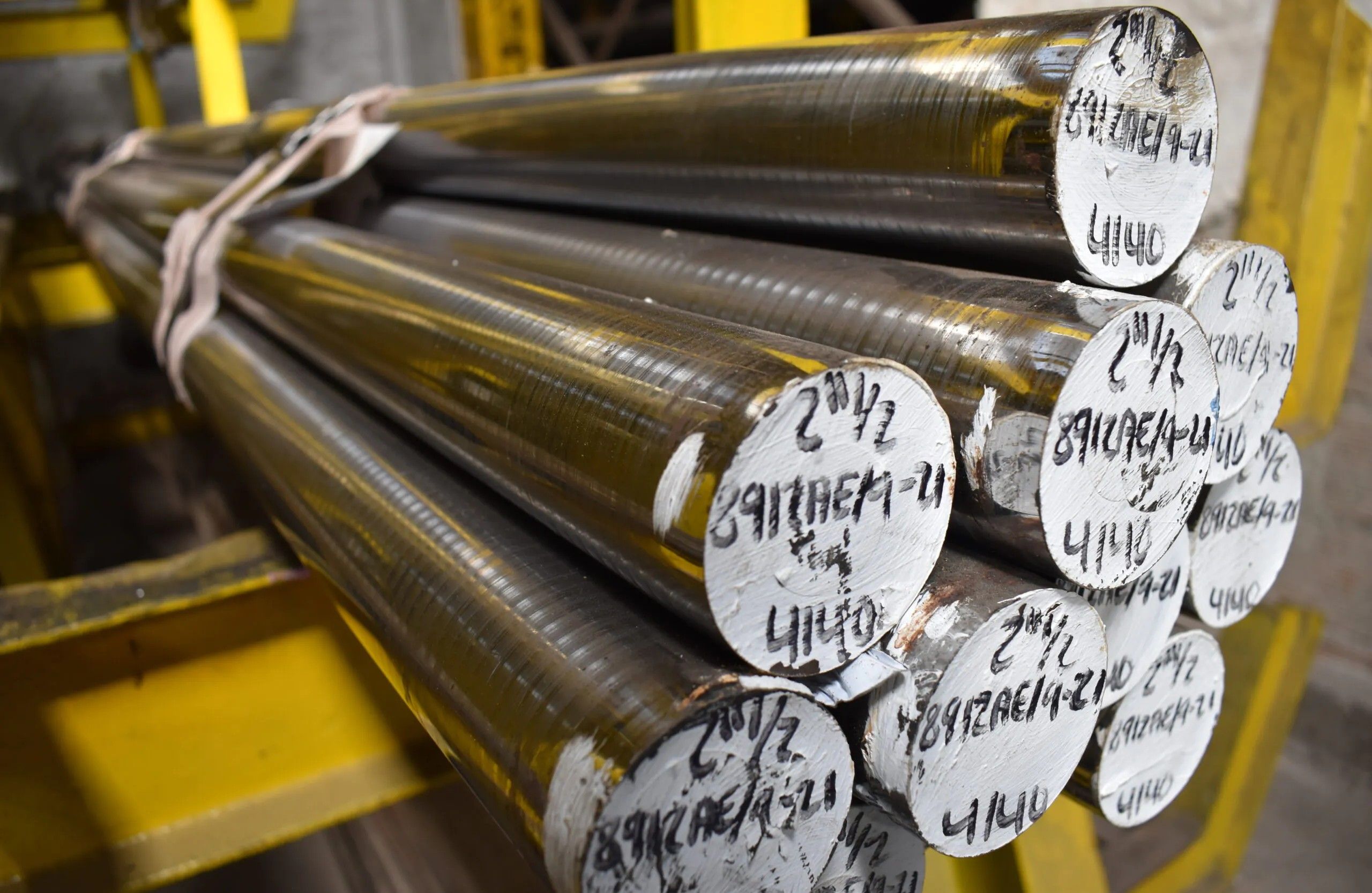
| Alloy steel 4140 (42CrMo4) | 7.85 | 7,850 | ASTM A29 / EN 1.7225 | Shafts, gears, tooling |
| Alloy steel 4340 | 7.85 | 7,850 | ASTM A29 | Aerospace, defence |
| Tool steel H13 | 7.80 | 7,800 | AISI H13 / EN 1.2344 | Die casting, extrusion |
| Tool steel D2 | 7.70 | 7,700 | AISI D2 / EN 1.2379 | Cutting tools, dies |
| High speed steel M2 | 8.16 | 8,160 | AISI M2 / EN 1.3343 | Drills, milling cutters |
| Titanium Ti-6Al-4V | 4.43 | 4,430 | ASTM B265 / AMS 4928 | Aerospace, offshore |
Standard Engineering Value
For most general calculations involving structural steel, carbon steel pipes, or mild steel plates, engineers use the standard reference value:
7.85 g/cm³ (7,850 kg/m³).
This value is sufficiently accurate for the vast majority of commercial applications. However, in high-precision industries like aerospace or subsea engineering, relying on this single figure can lead to errors.
"Density of Steel" vs. "Density of Structural Steel"
Often, these terms are used interchangeably. "Structural steel" typically refers to carbon steel grades like ASTM A36 or S355. Since carbon constitutes less than 2% of the alloy, it does not significantly alter the density from that of pure iron. Therefore, the standard 7.85 g/cm³ applies perfectly to structural steel.
Product Form Does Not Affect Density
It is crucial to clarify a common misconception: density is an intrinsic material property.
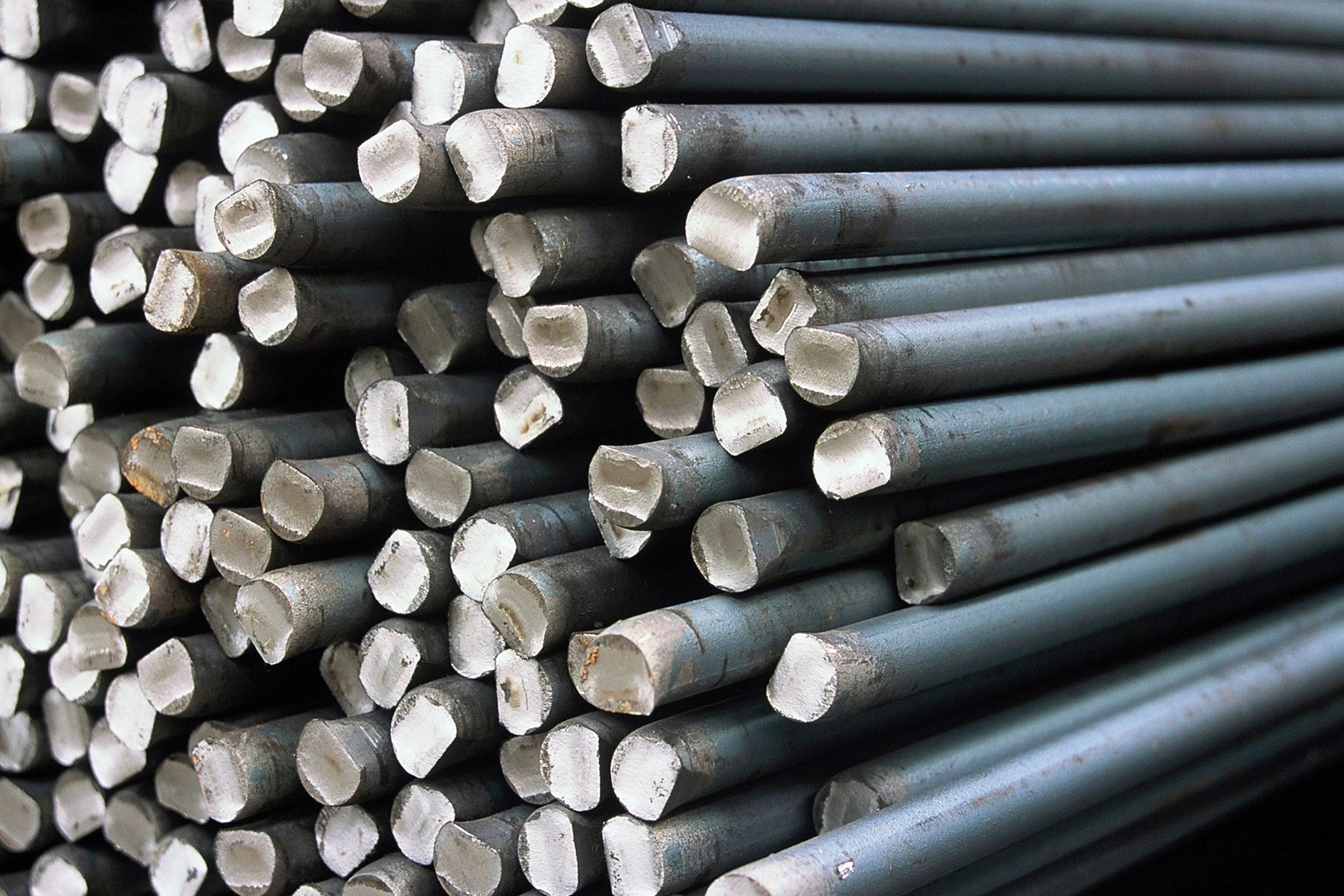
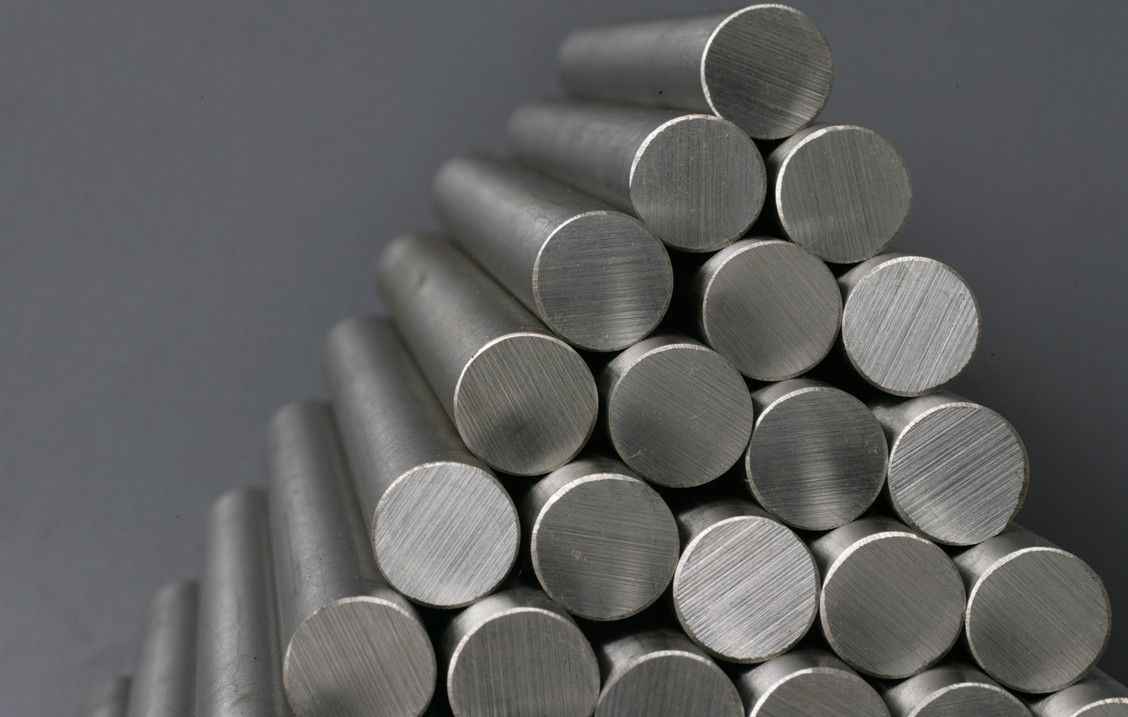
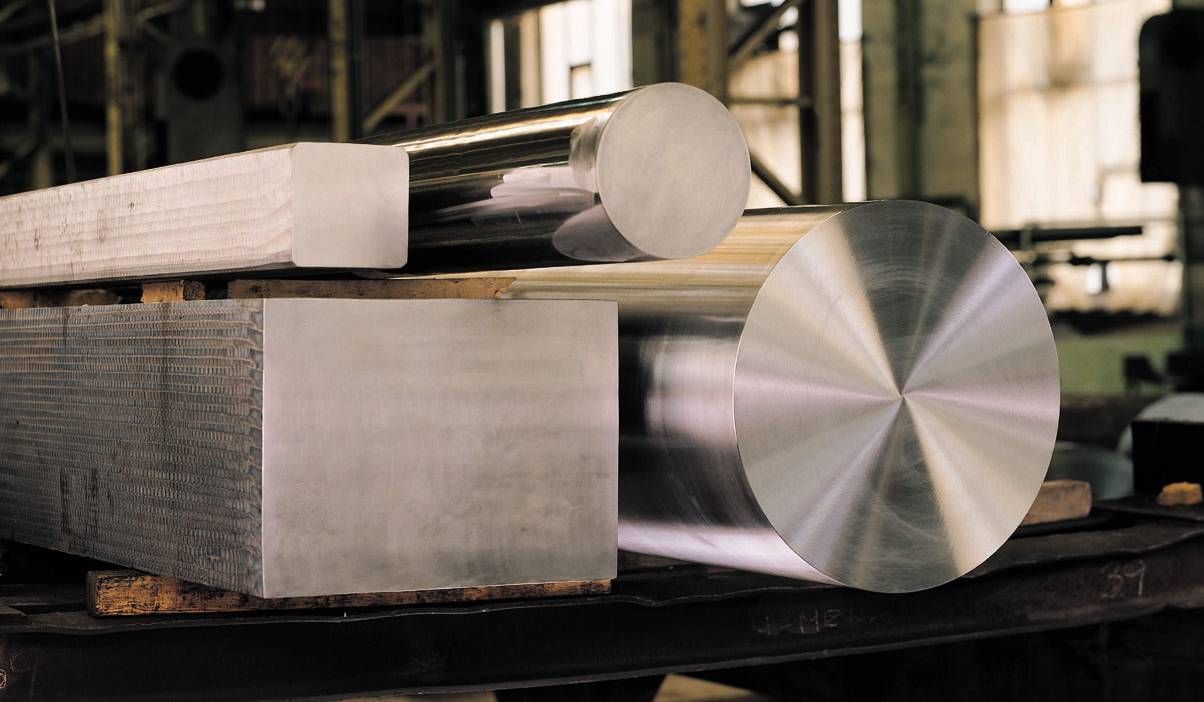
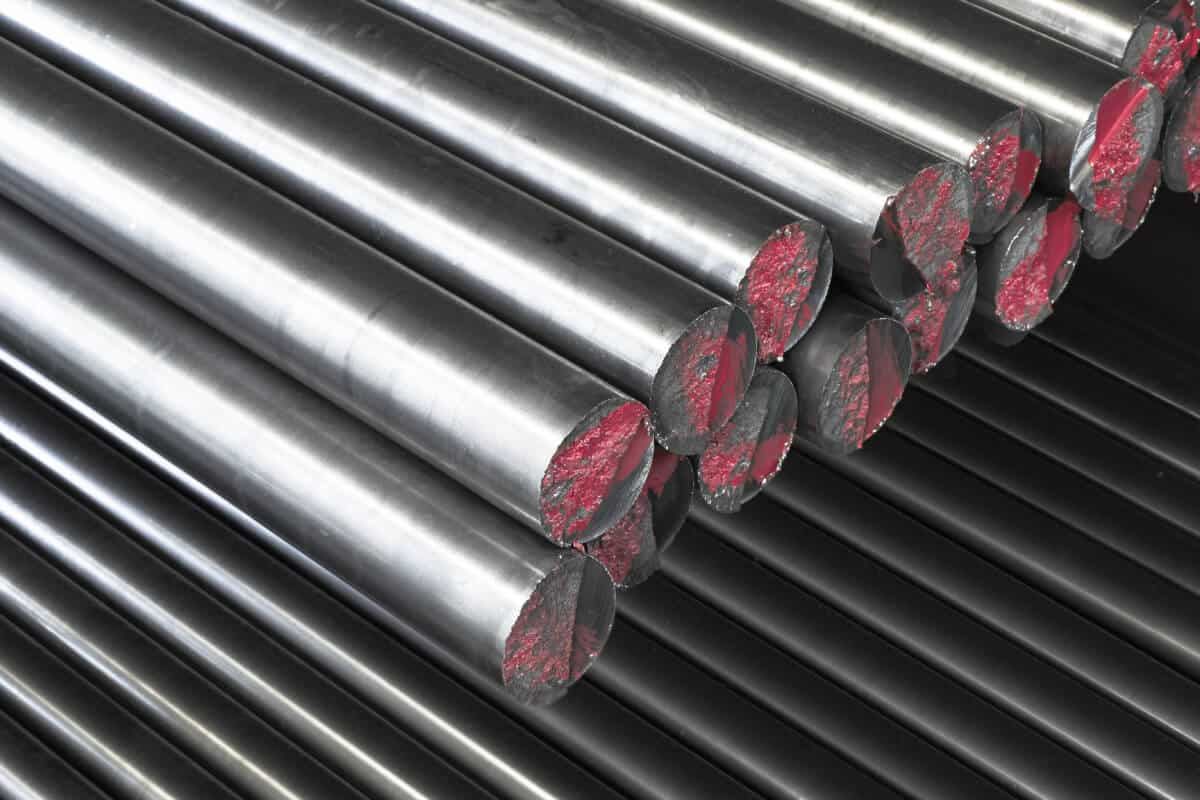
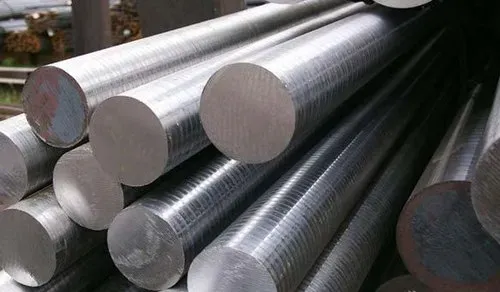
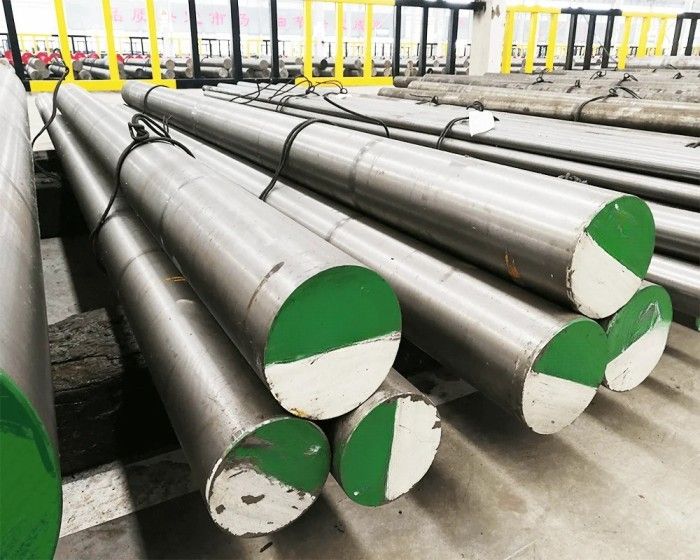
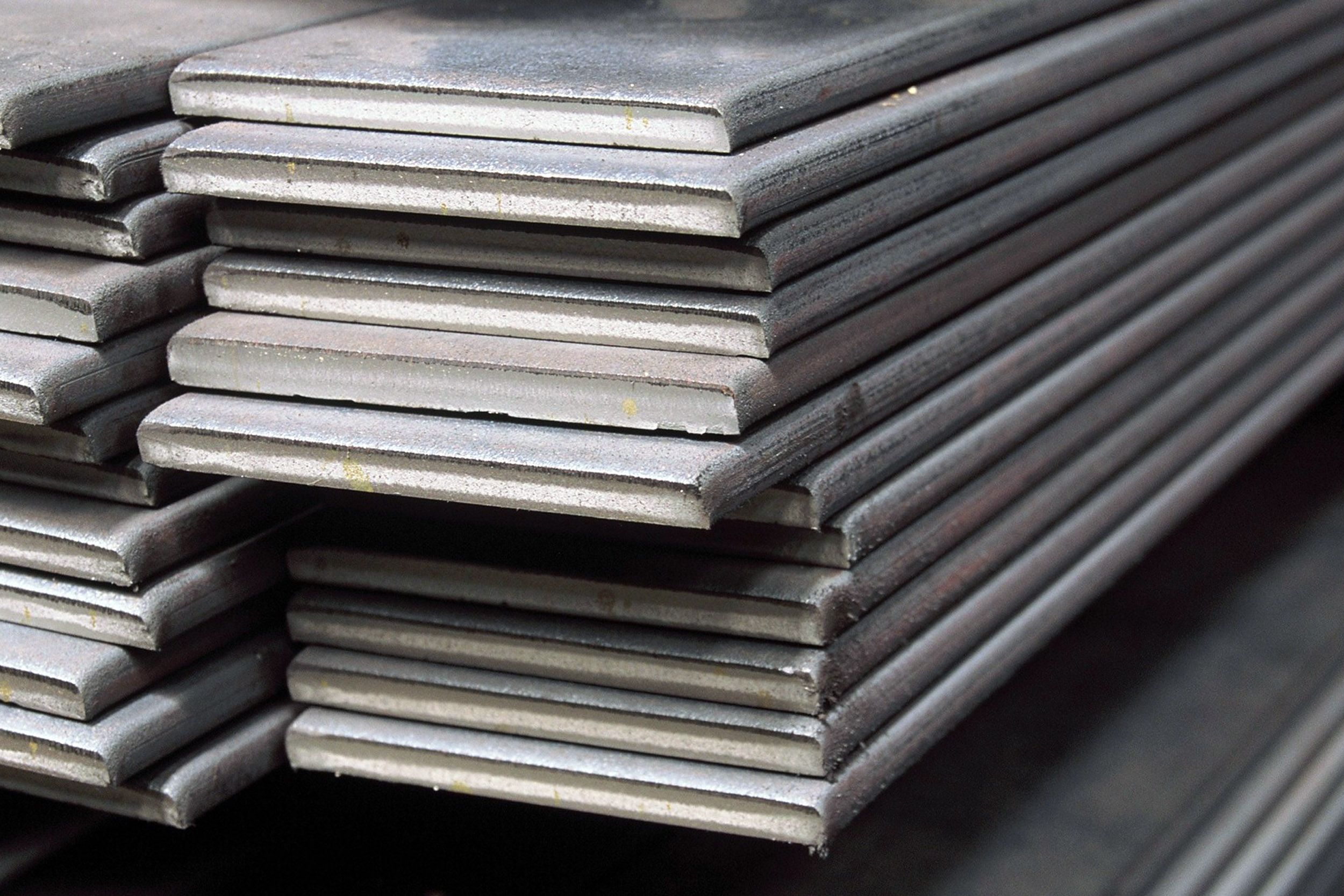
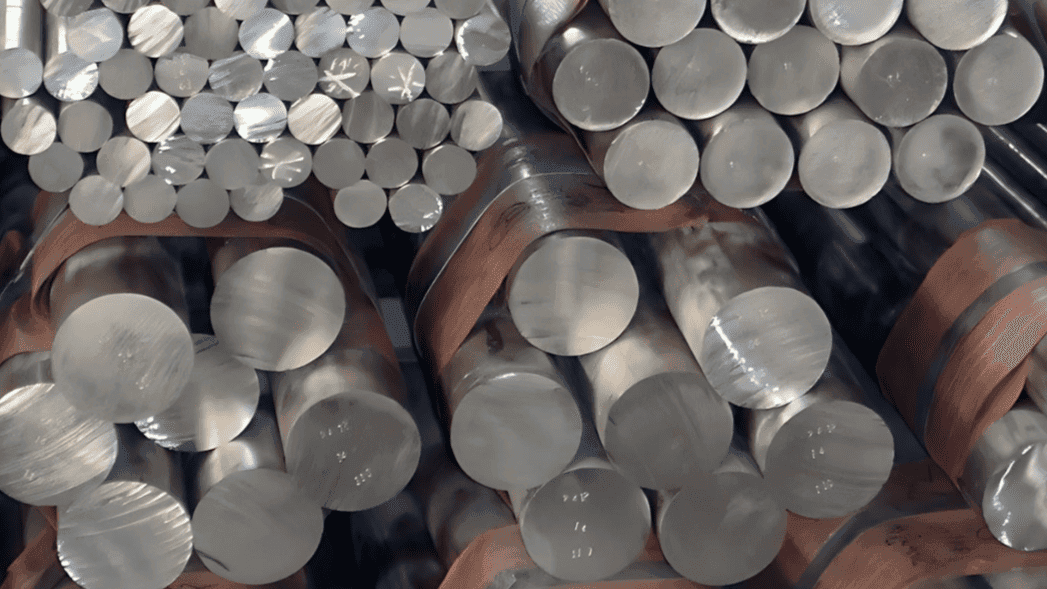
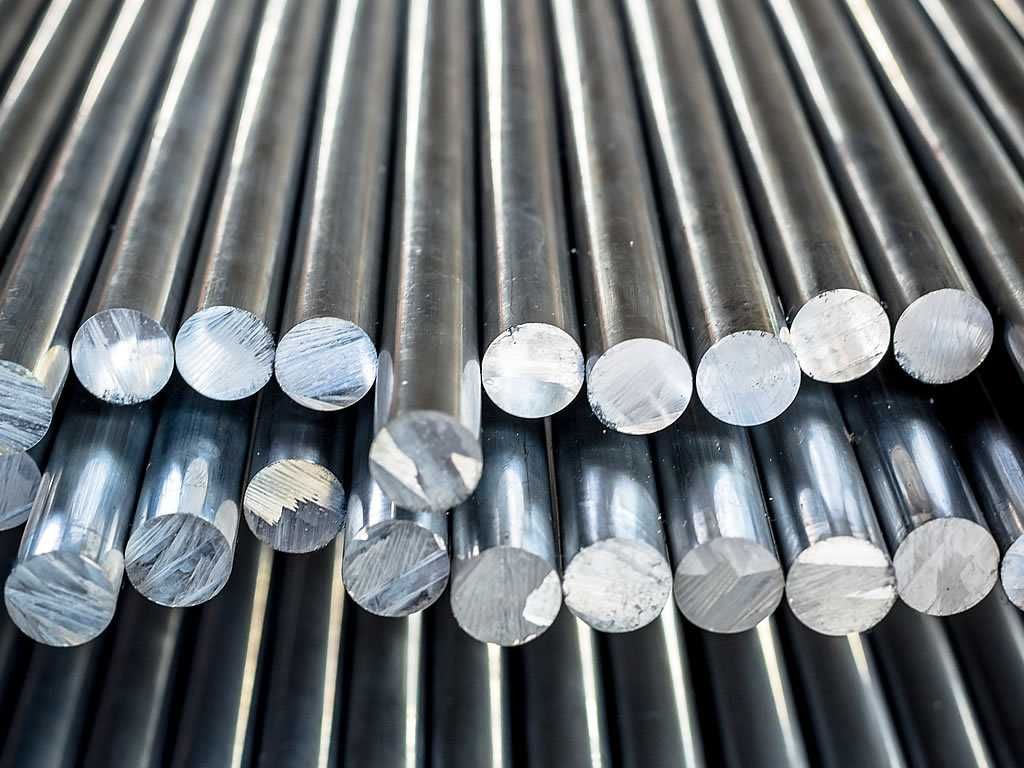
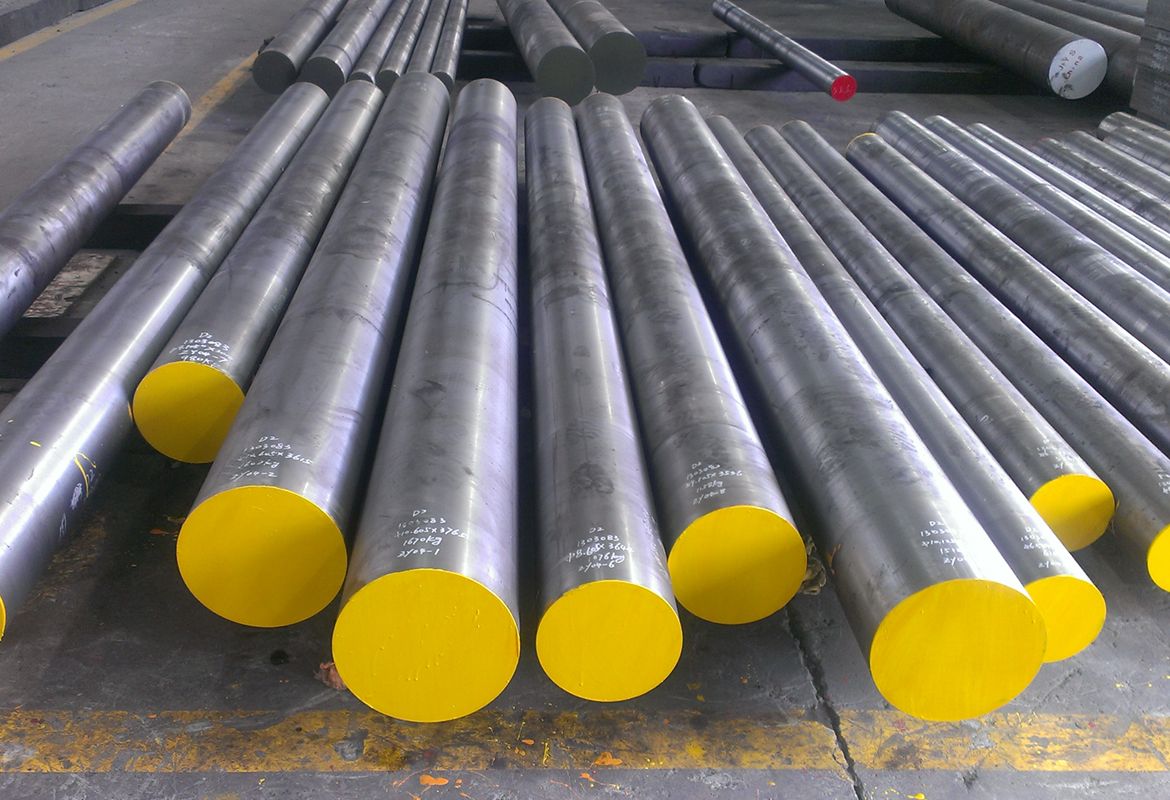
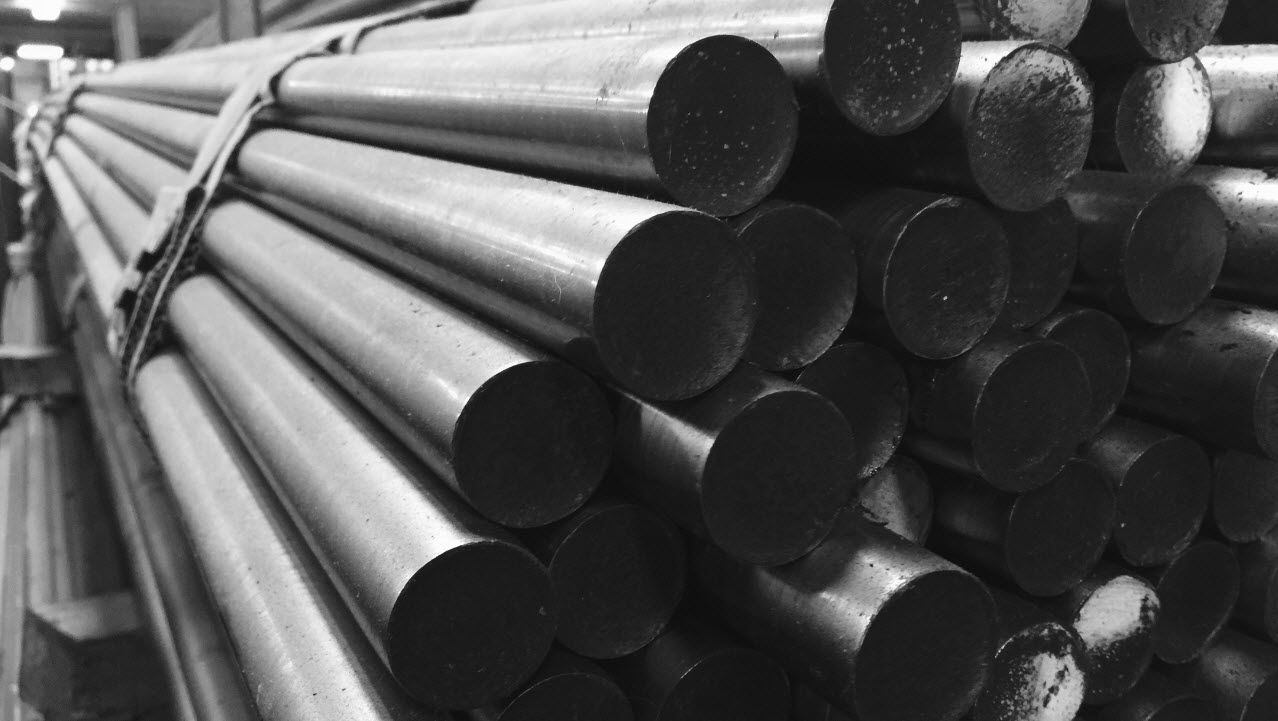
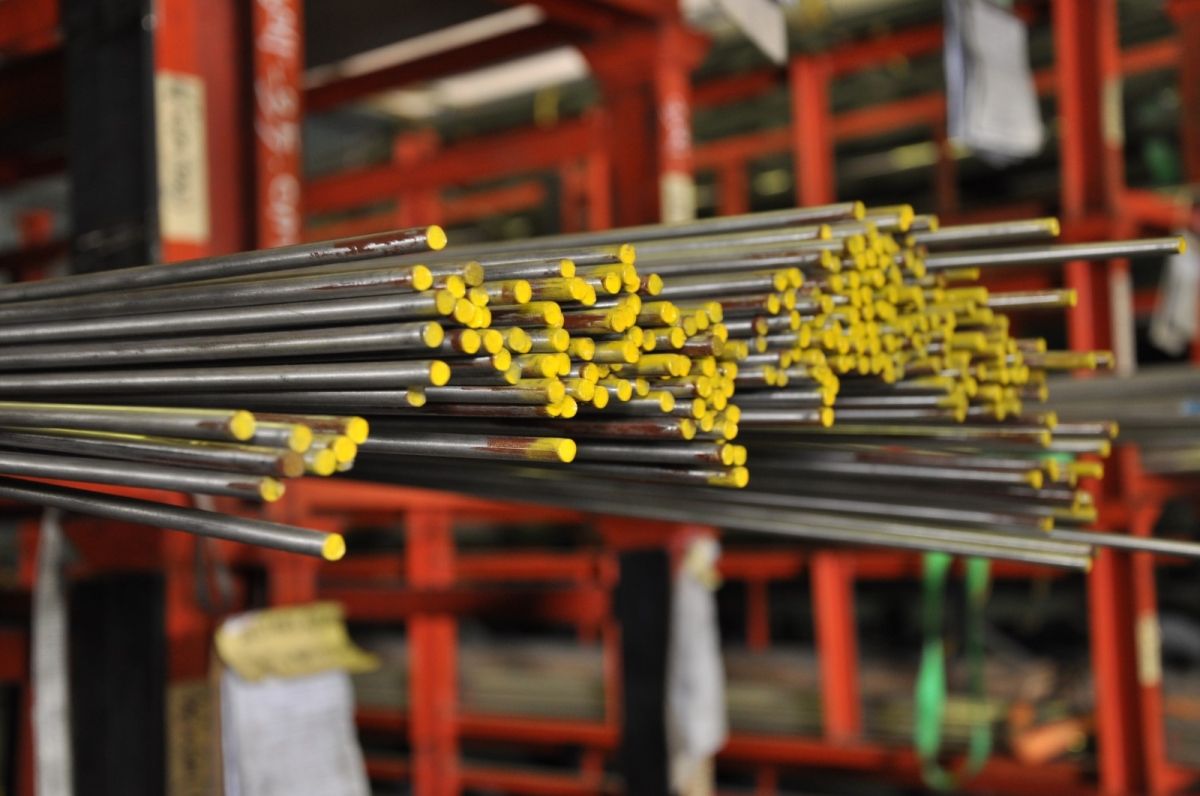
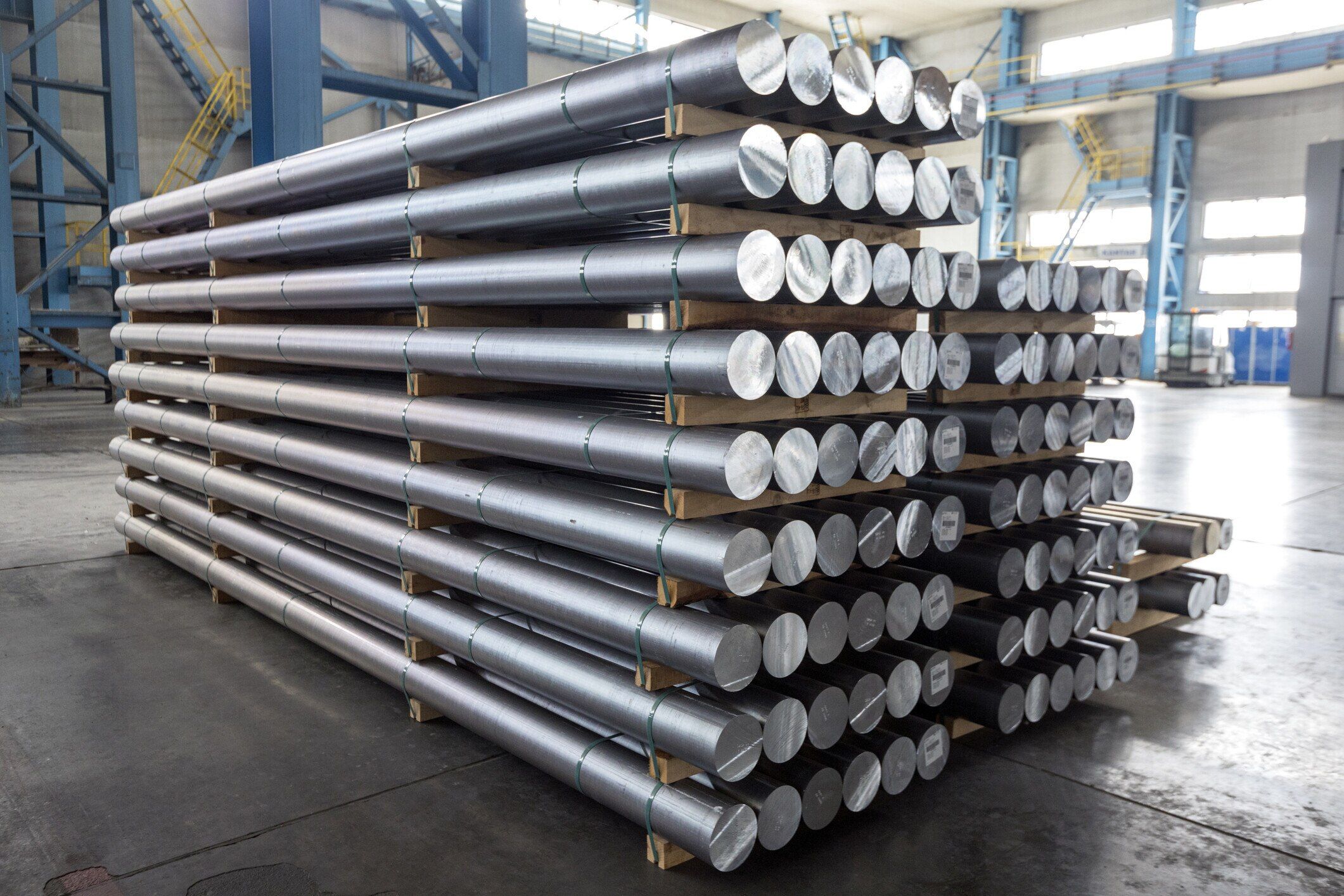
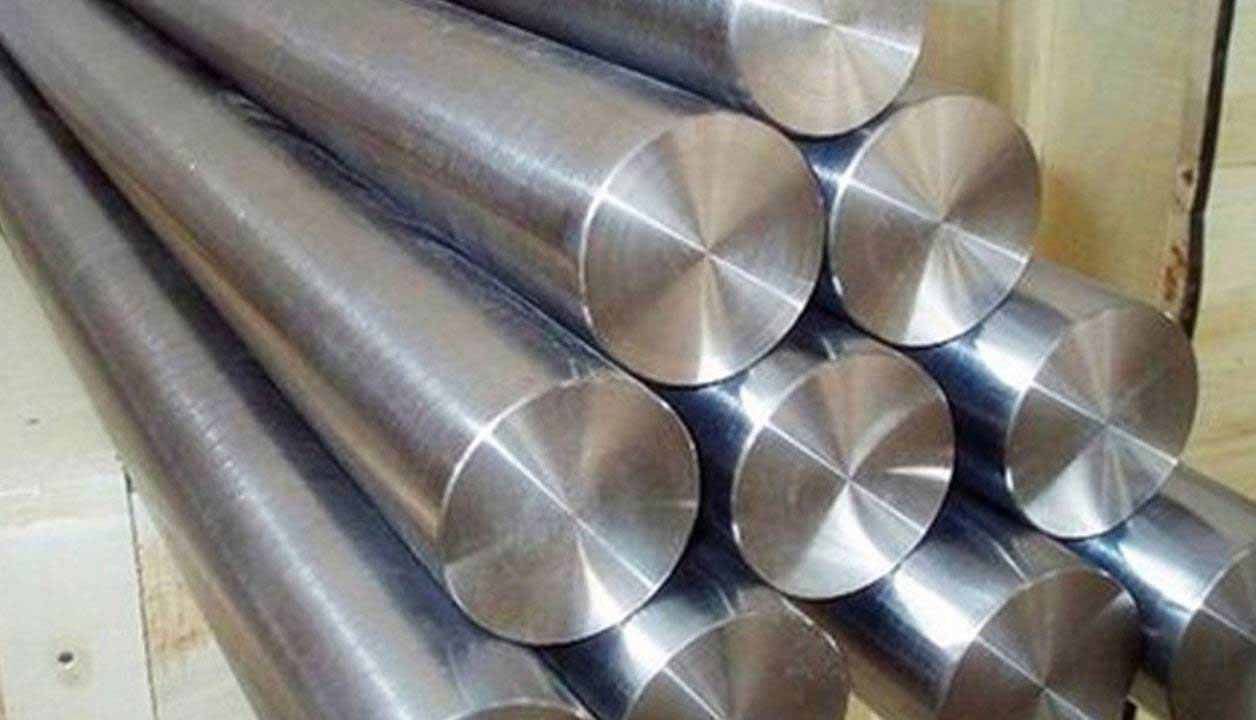
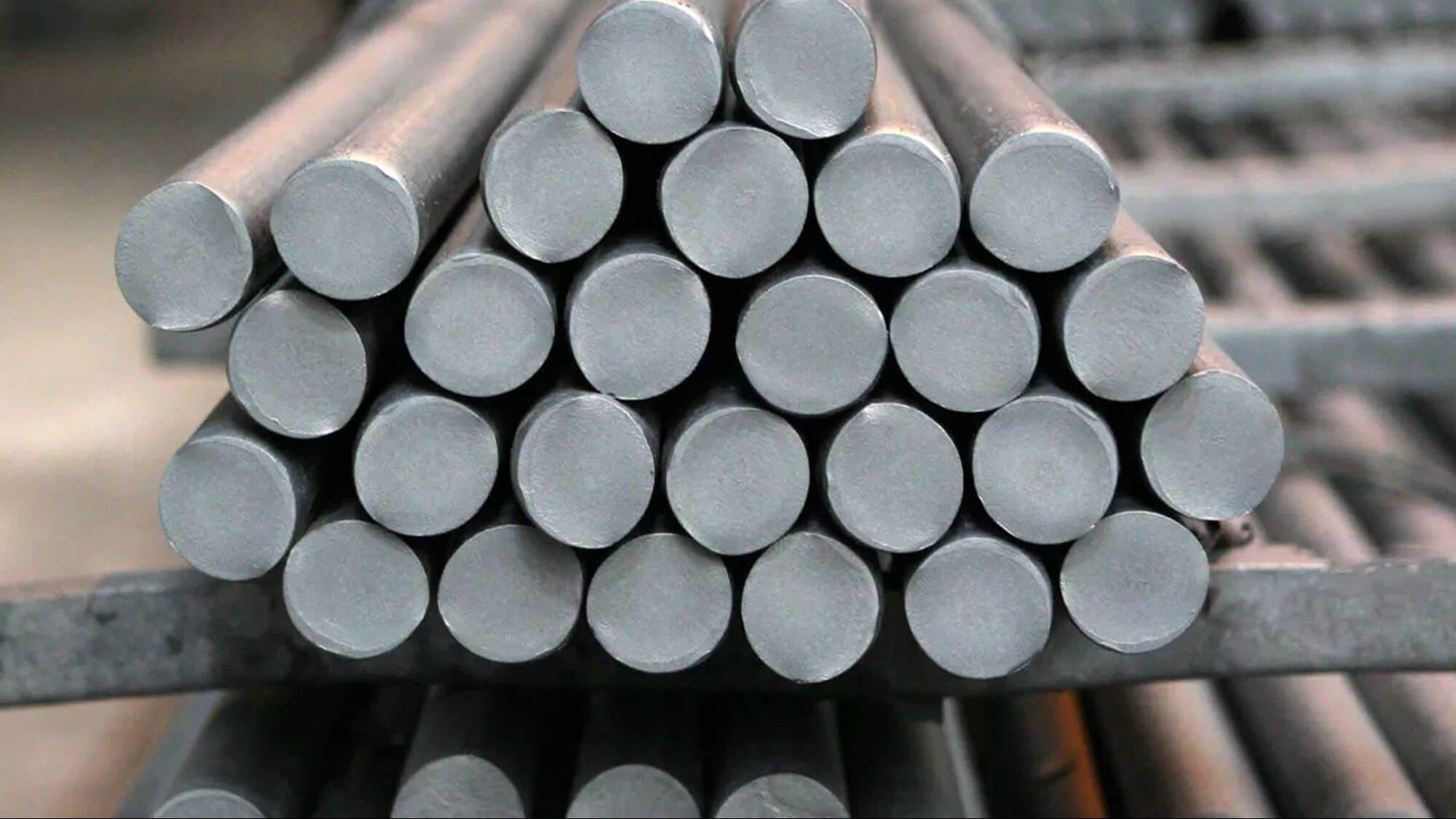
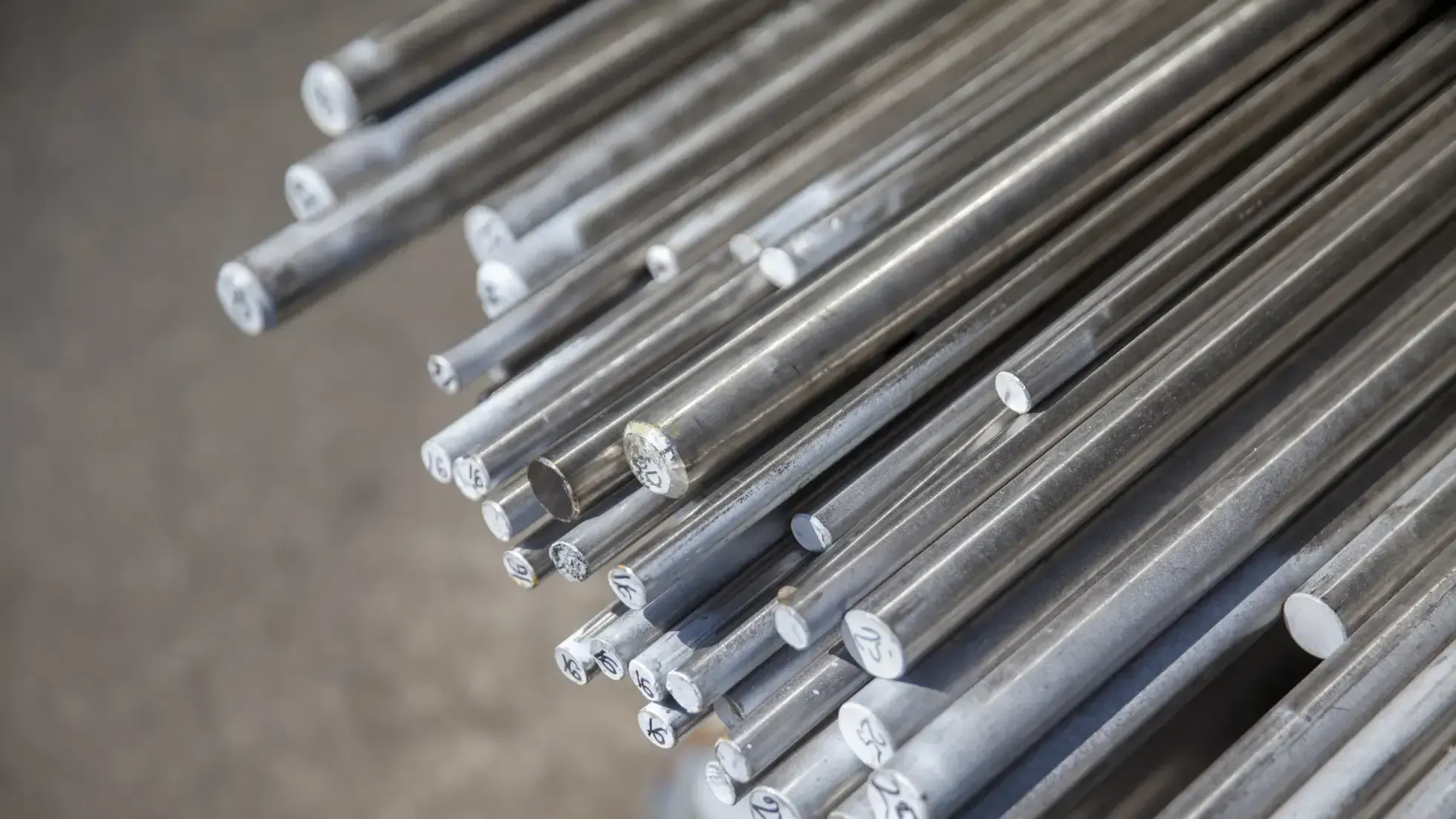
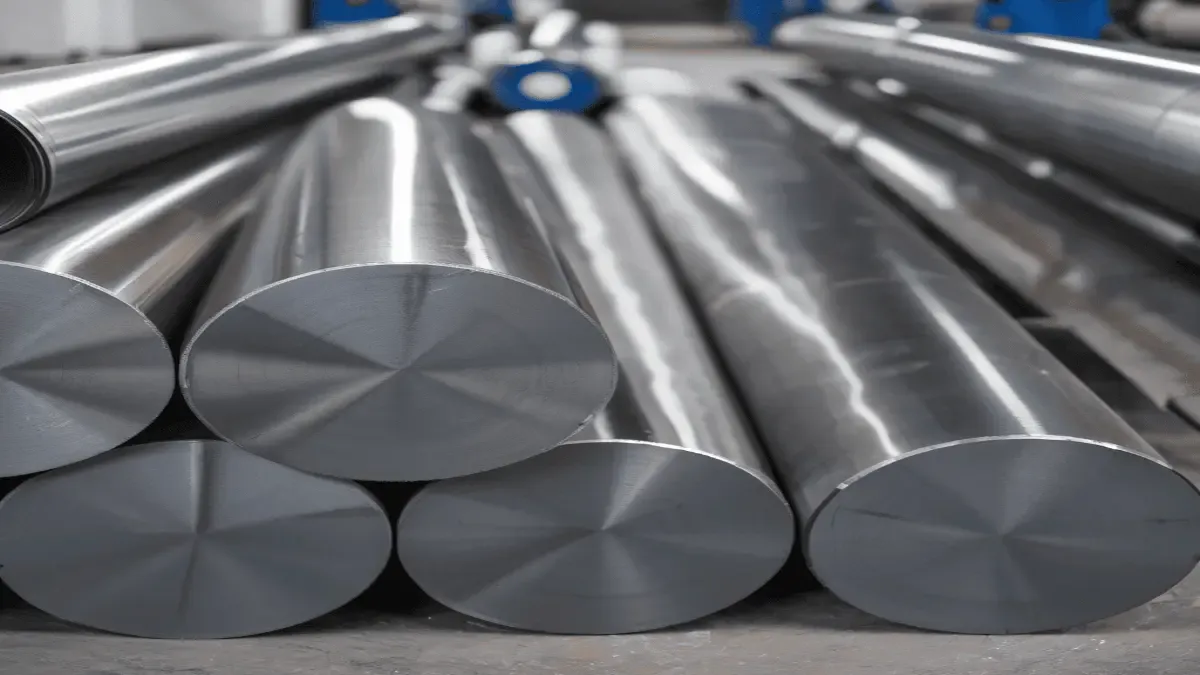
A solid steel bar has a density of 7.85 g/cm³.
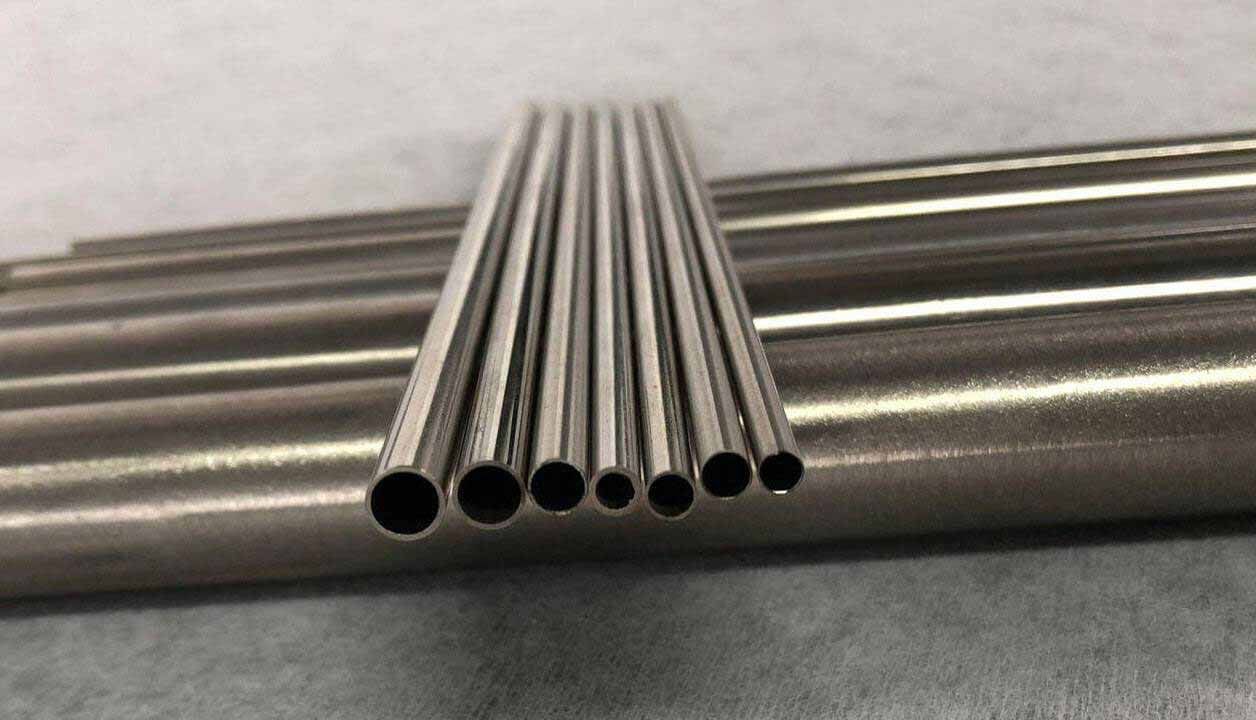
A hollow steel pipe has a density of 7.85 g/cm³.
Steel wool or a steel mesh has a material density of 7.85 g/cm³.
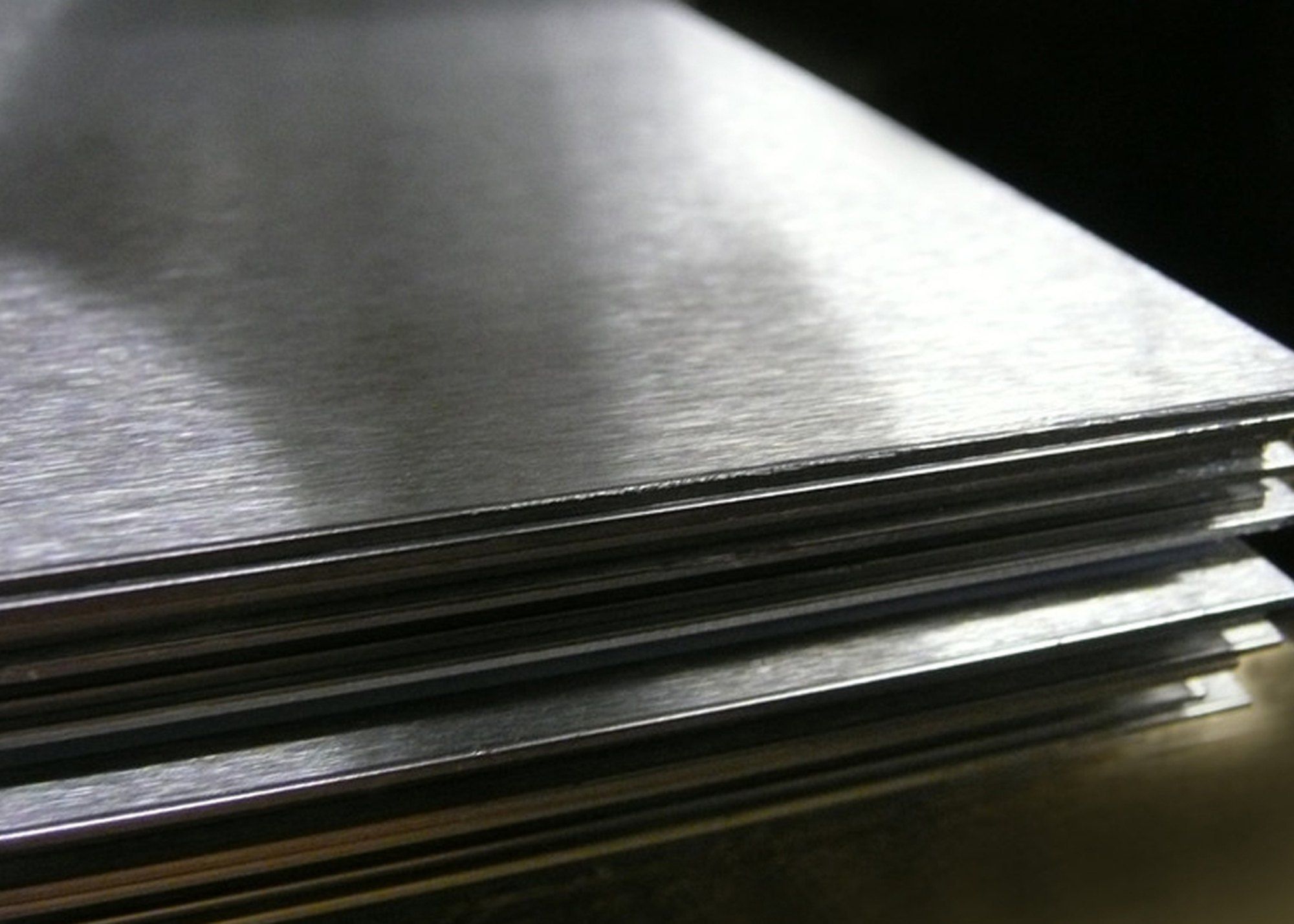
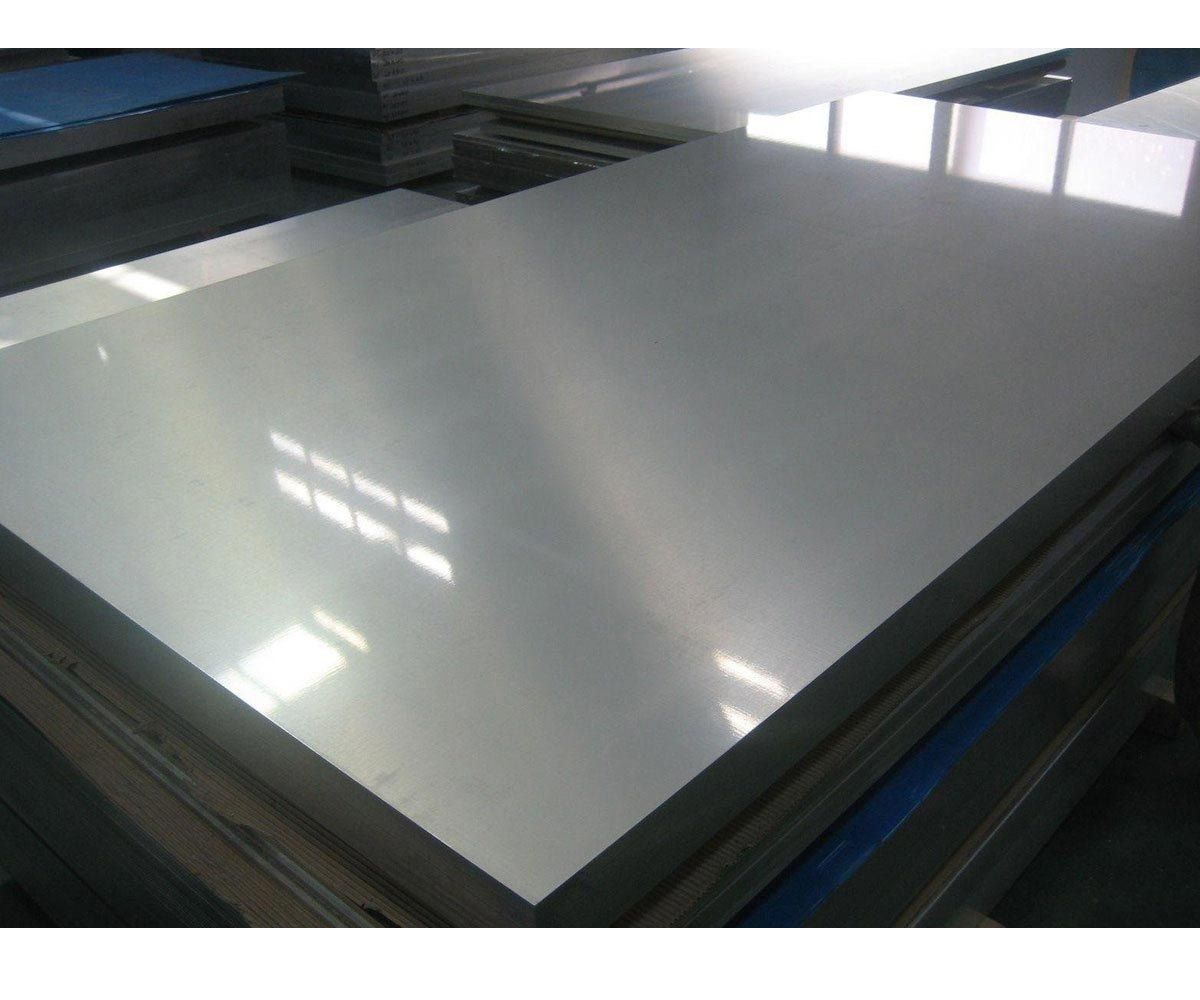
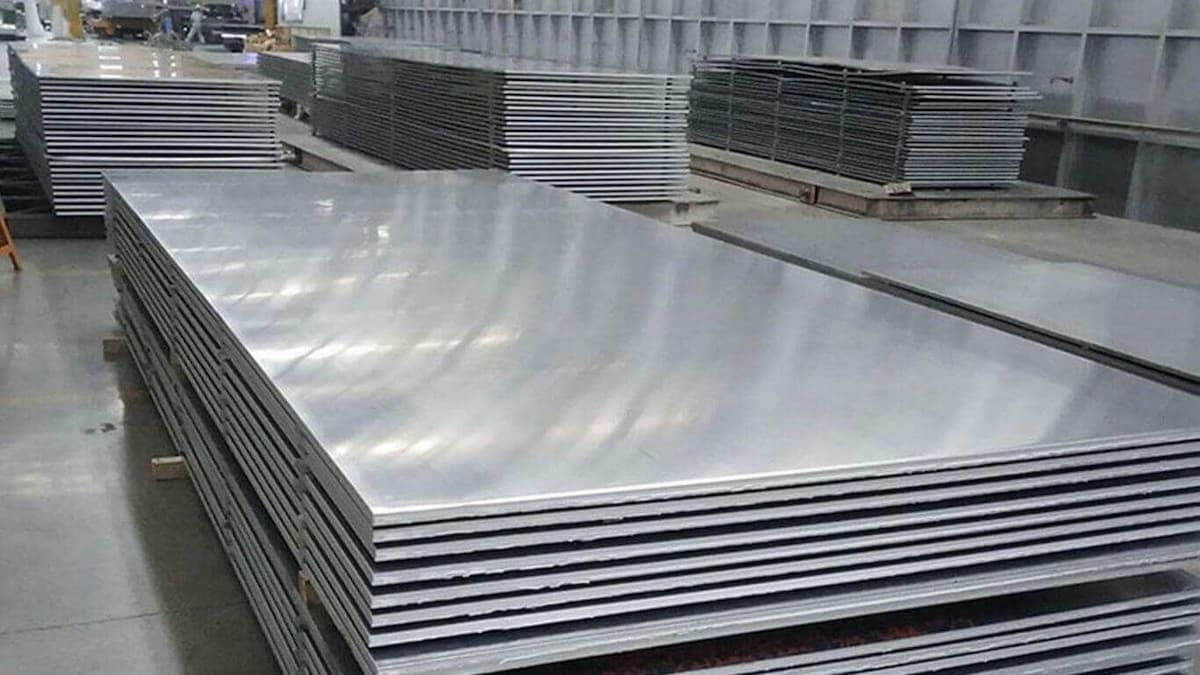
While the bulk density (including air gaps) changes, the material density remains constant regardless of whether the product is a plate, sheet, or coil. The total weight of the object changes based on its volume, but the density of the metal itself does not.
Steel Density by Type
While 7.85 g/cm³ is the rule of thumb, specific alloy families deviate from this average.
Carbon and Mild Steel
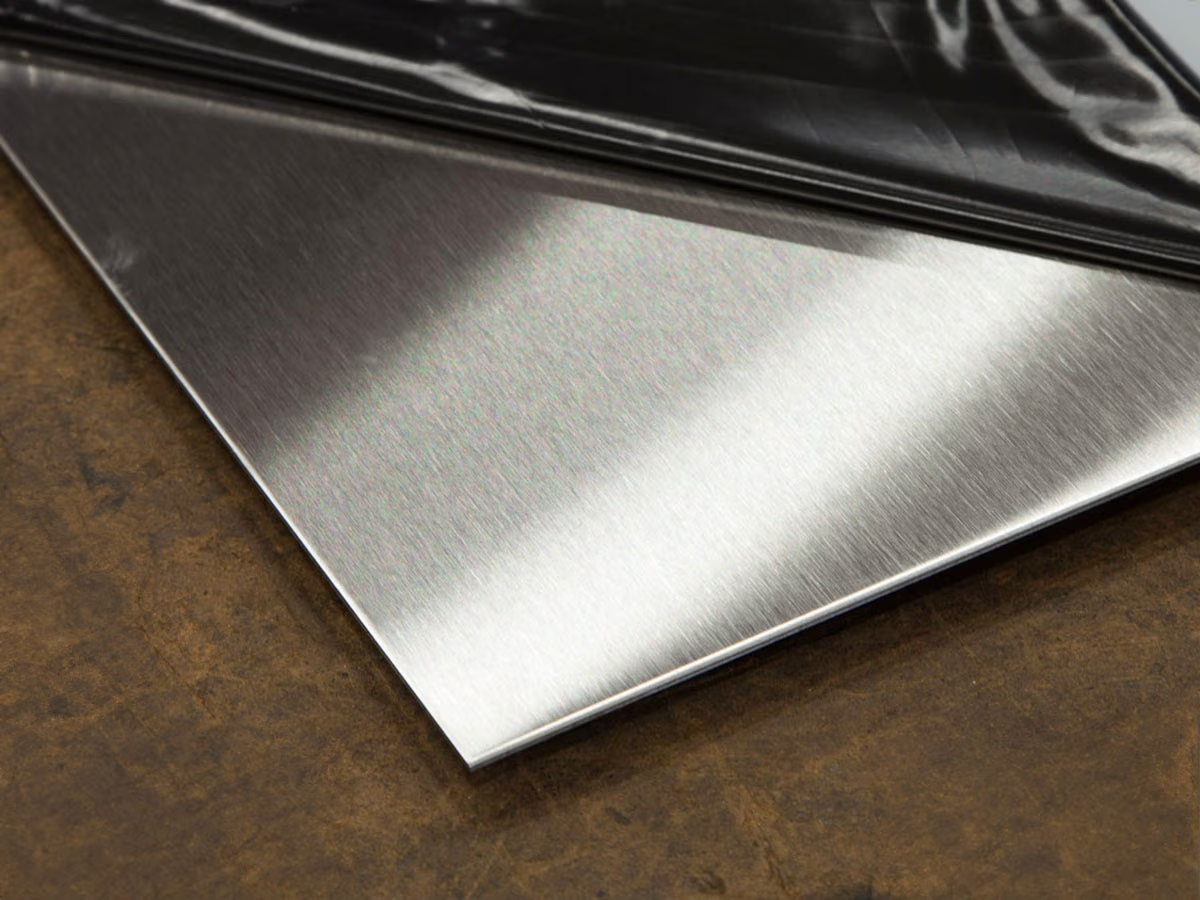
Carbon steel is the workhorse of the construction and piping industries. Grades like ASTM A36, A516 Gr 70, and A106 fall into this category.
- Typical Density: 7.85 g/cm³ (7,850 kg/m³)
- Composition Effect: Carbon atoms differ in mass from iron atoms, but because carbon content is usually very low (0.05% to 0.25% for mild steel), the density remains very close to that of pure iron. High-carbon steels may be marginally lighter, as carbon is less dense than iron, but the difference is negligible for standard engineering calculations.
Stainless Steel (300 & 400 Series)
Stainless steels contain significant amounts of Chromium (min. 10.5%) and often Nickel, Manganese, or Molybdenum. These alloying elements alter the crystalline structure and the density.
Austenitic (300 Series): The addition of Nickel (density ~8.9 g/cm³) increases the overall density.
- 304/304L: ~7.90 g/cm³ (7,900 kg/m³)
- 316/316L: ~8.00 g/cm³ (8,000 kg/m³) – The addition of Molybdenum makes 316 slightly denser than 304.
Ferritic/Martensitic (400 Series): These grades generally have little to no nickel.
- 410 / 430: ~7.70 – 7.80 g/cm³ (slightly lighter than carbon steel).
When procuring Stainless Steel piping or fittings, using the correct density (8.0 vs 7.85) can result in a 2% weight difference, which matters in large-scale logistics.
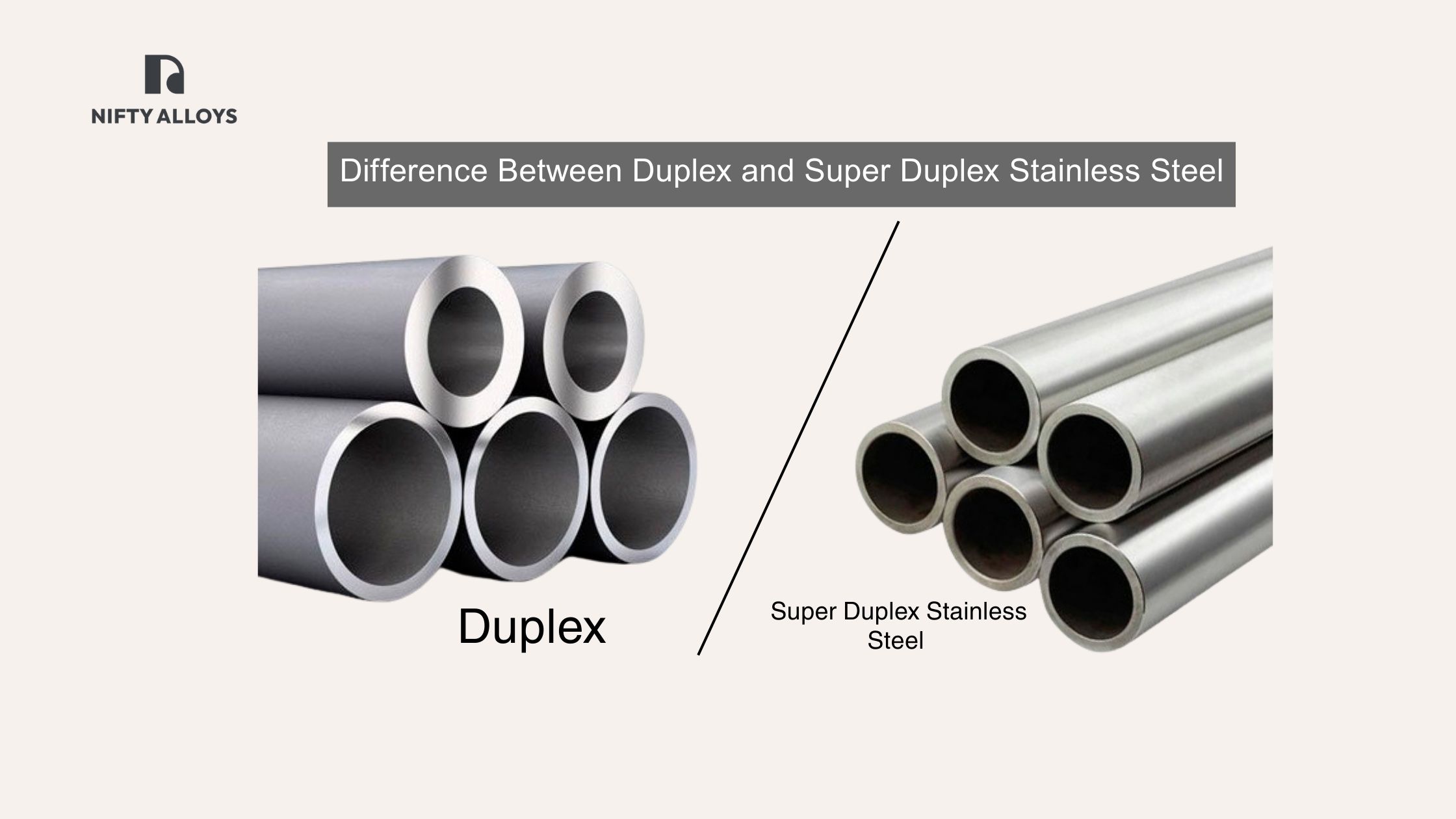
Duplex & Super Duplex Stainless Steel
Duplex steels have a mixed microstructure of austenite and ferrite. This balance results in a density that sits between the two standard stainless families.
- Typical Density: ~7.80 g/cm³ (7,800 kg/m³)
- Comparison: They are slightly lighter than austenitic 316 stainless steel but offer significantly higher strength. This is one reason Duplex and Super Duplex are favored in offshore oil and gas platforms where weight reduction is critical.
Alloy & Tool Steels
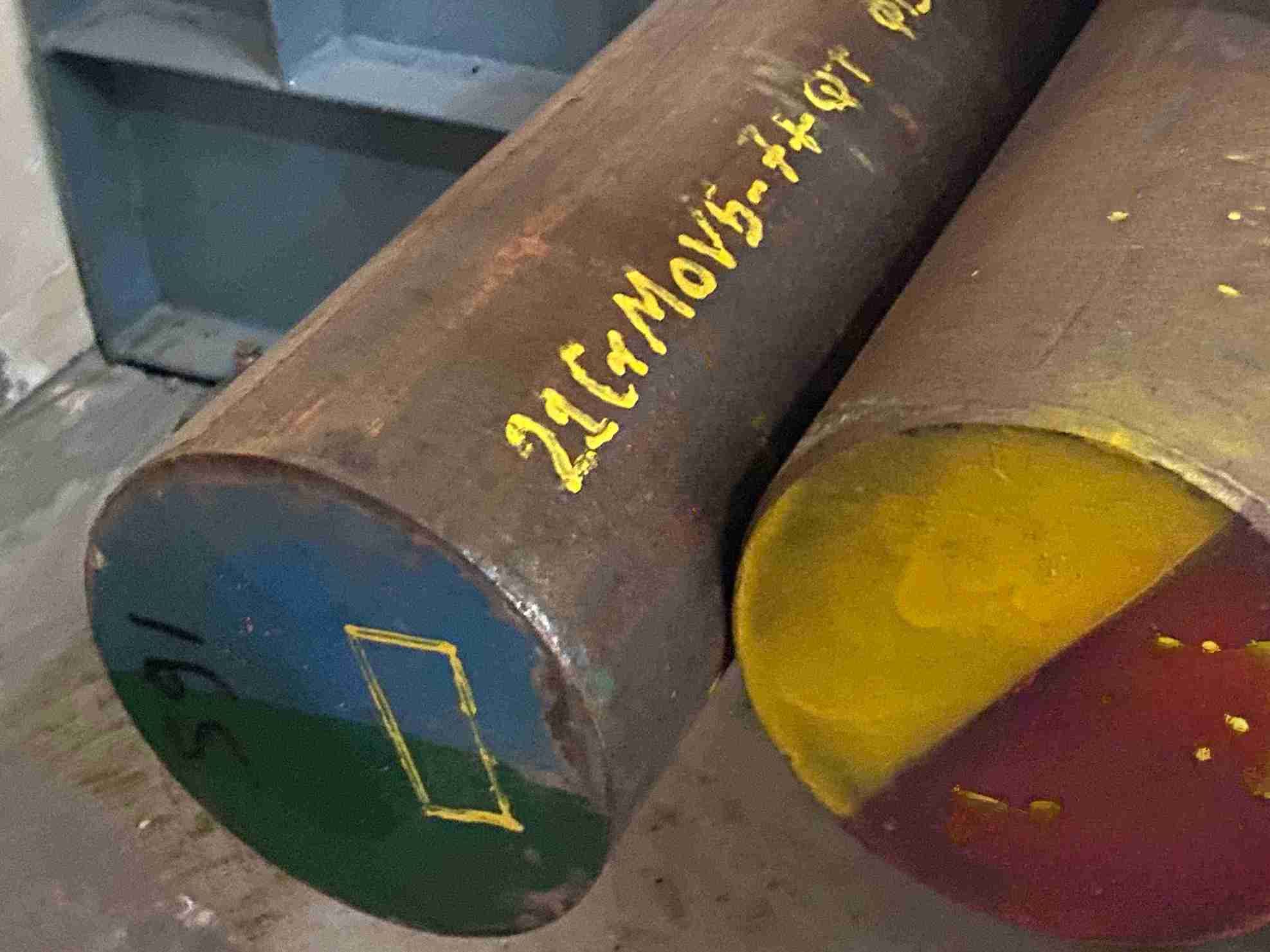
Alloy steels (like 4130, 4140, 4340) and tool steels are engineered for toughness, hardness, and wear resistance.
- Typical Range: 7.70 – 8.00 g/cm³
- Effect: Elements like Tungsten or Vanadium found in certain tool steels can increase density, while high Silicon content might slightly reduce it. However, for standard low-alloy engineering steels (AISI 4140), 7.85 g/cm³ remains a safe design value.
Density of Other Common Engineering Metals
While steel is dominant, many projects involve mixed materials. Here is how common non-ferrous metals compare.
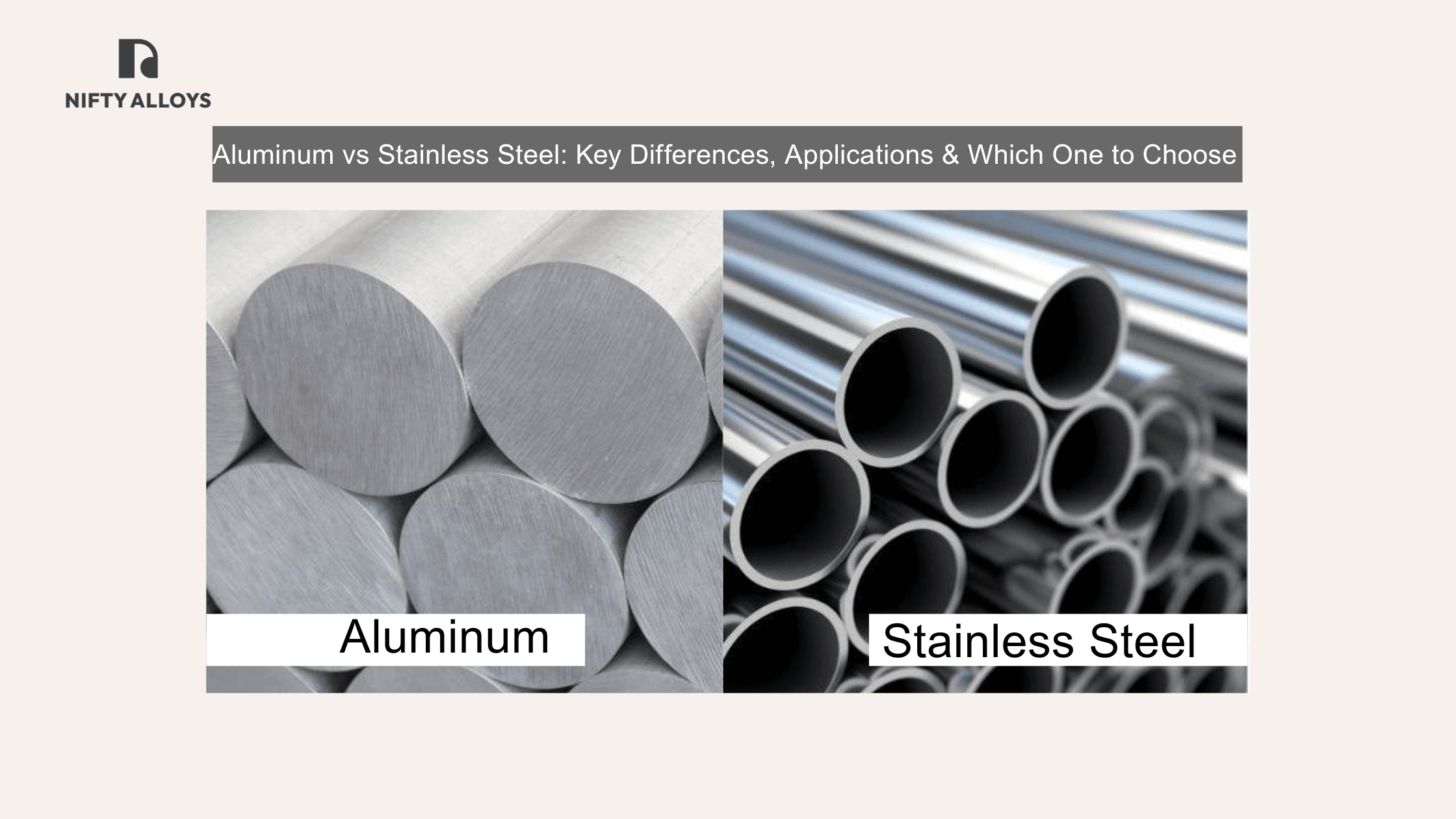
Aluminium
- Density: ~2.70 g/cm³
- Application: Aluminium is roughly one-third the weight of steel. This makes Aluminium the primary choice for aerospace, automotive panels, and lightweight structural frames where strength-to-weight ratio is paramount.
Titanium
- Density: ~4.43 – 4.51 g/cm³
- Application: Titanium sits in the "Goldilocks" zone—it is about 45% lighter than steel but significantly stronger and heavier than aluminium. Titanium Grade 2 and Grade 5 are critical for high-performance applications requiring corrosion resistance without the weight penalty of stainless steel.
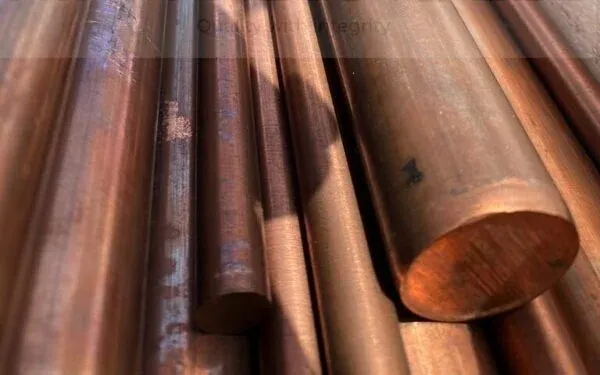
Copper & Brass
- Density: ~8.50 – 8.96 g/cm³
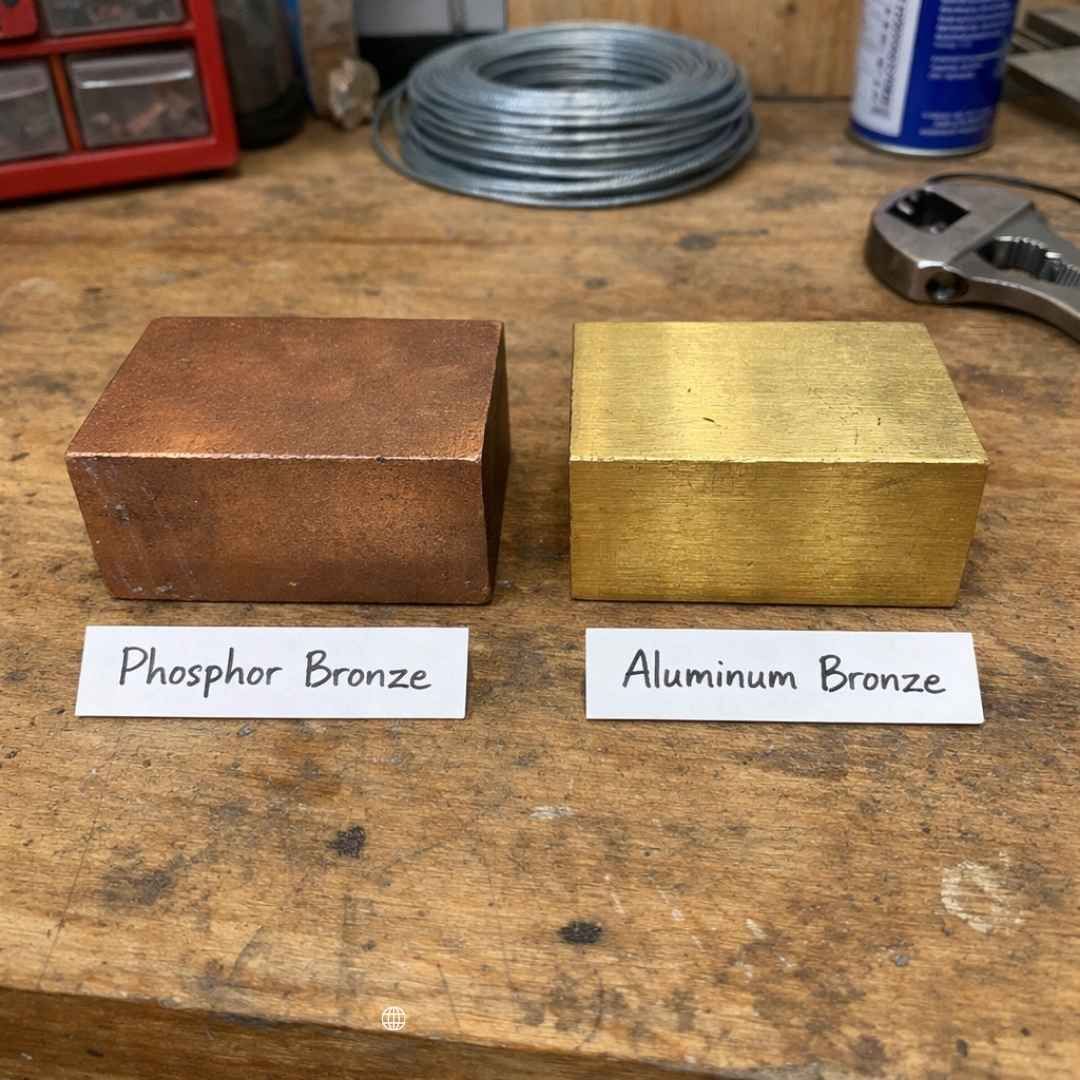
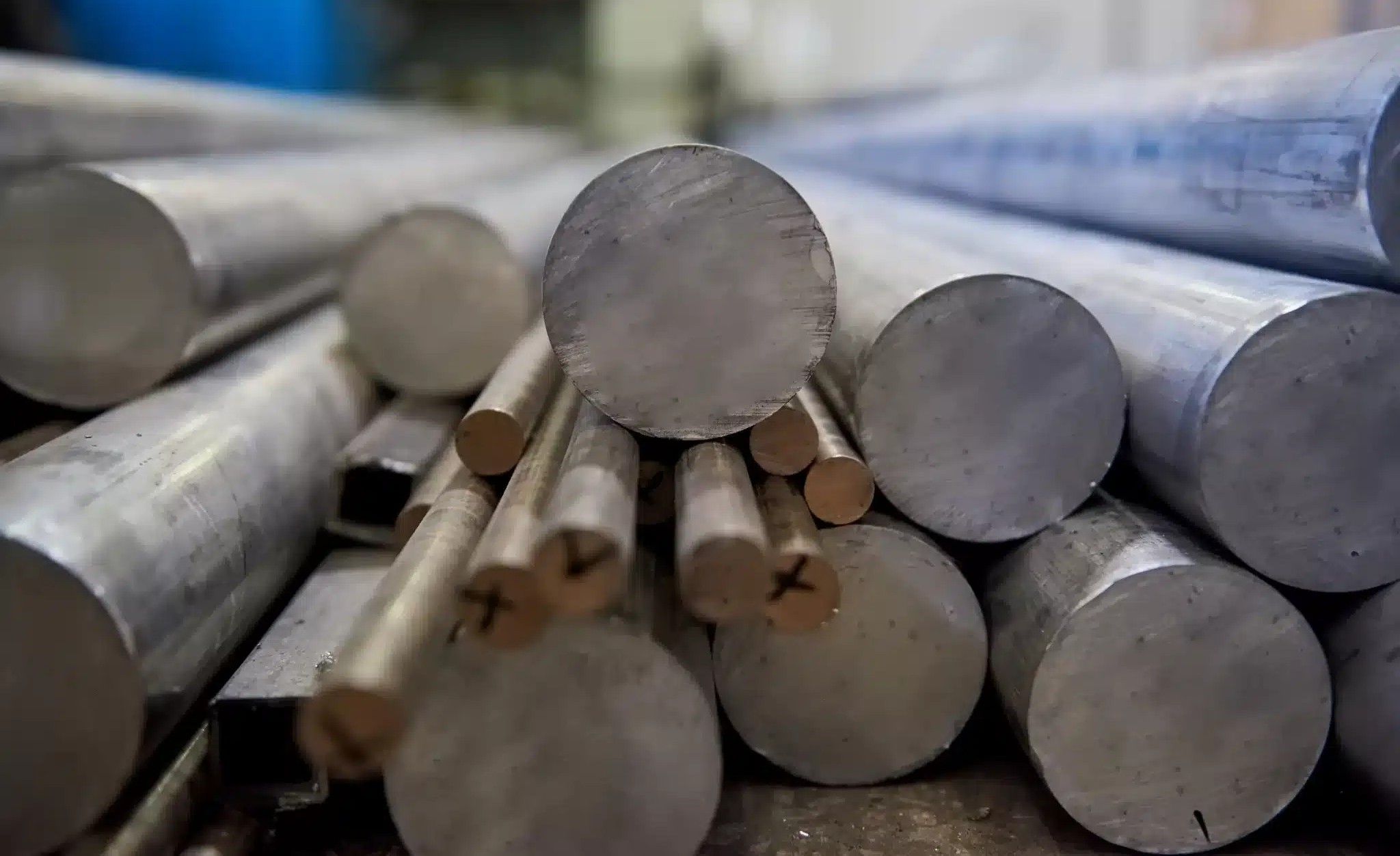
- Application: Copper and its alloys (Brass, Bronze) are denser than steel. A copper bar will weigh roughly 10-15% more than a steel bar of the same size. This density must be accounted for in electrical busbar supports and heat exchangers utilizing Copper Alloys.
High-Density Comparisons
For context, steel is relatively light compared to heavy metals like Tungsten (19.25 g/cm³) or Gold (19.3 g/cm³), which are more than twice as dense as steel.
Steel & Metal Density Table (Key Reference)
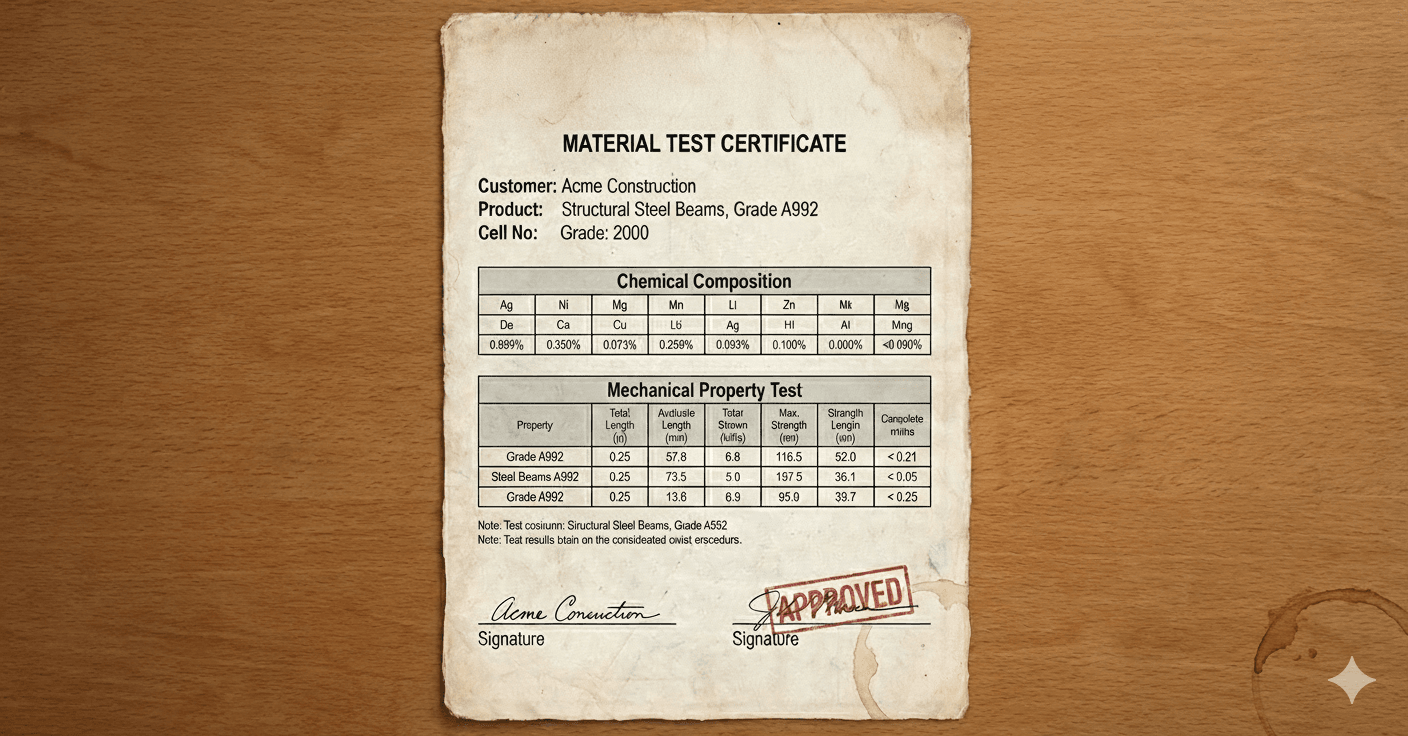
The following table provides density values for material estimation. Always confirm specific values with the Mill Test Certificate (MTC) for critical applications.
Material Family | Typical Grades | Density (g/cm³) | Density (kg/m³) | Density (lb/in³) |
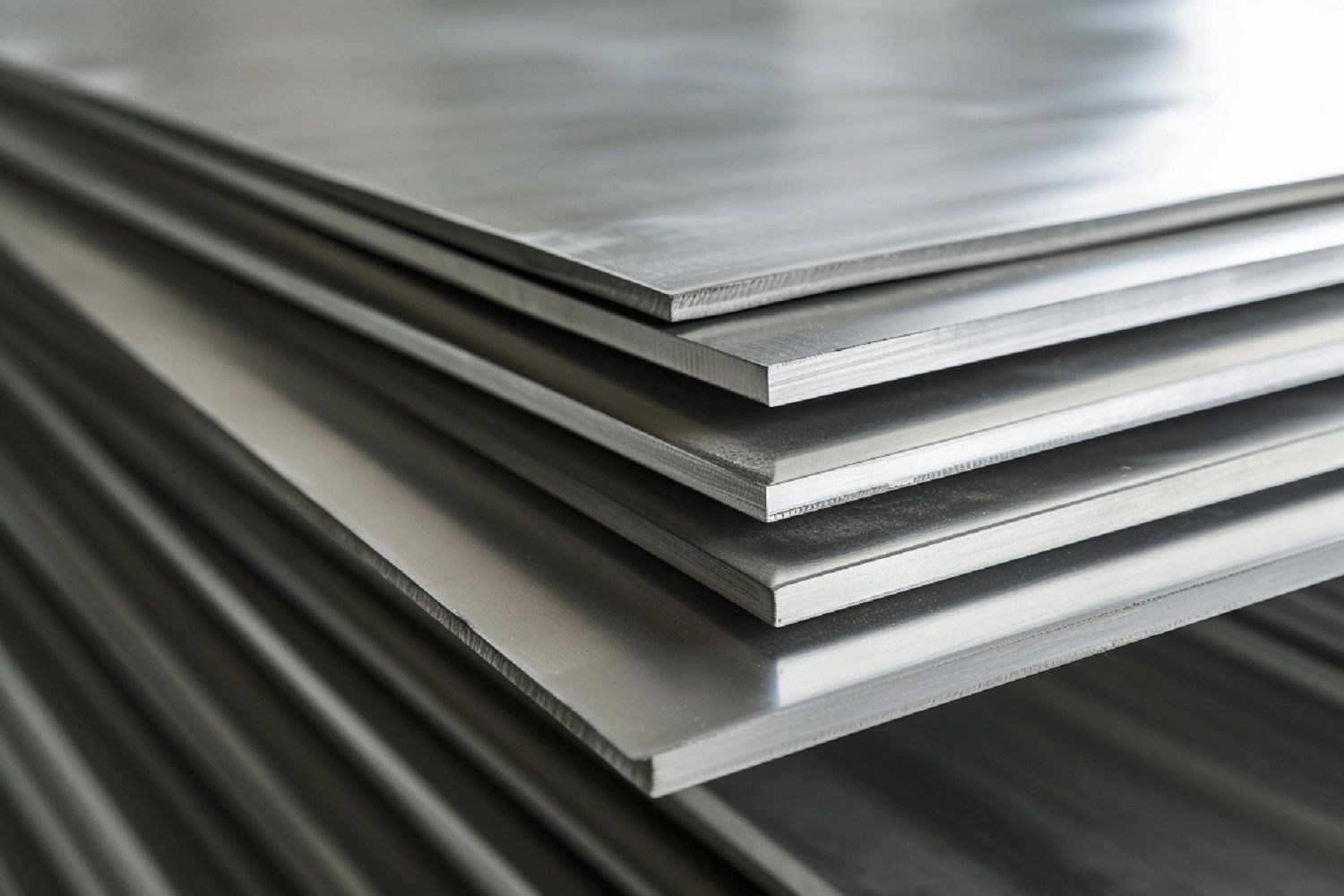
| Carbon Steel | A36, A106, A53, 1018 | 7.85 | 7,850 | 0.284 |
| Stainless Steel | 304 / 304L | 7.90 | 7,900 | 0.285 |
| Stainless Steel | 316 / 316L | 8.00 | 8,000 | 0.289 |
| Stainless Steel | 410 / 430 | 7.75 | 7,750 | 0.280 |
| Duplex Steel | 2205 (S31803) | 7.80 | 7,800 | 0.282 |
| Super Duplex | 2507 (S32750) | 7.80 | 7,800 | 0.282 |
| Alloy Steel | 4130, 4140 | 7.85 | 7,850 | 0.284 |
| Tool Steel | D2, H13 | 7.70 – 7.80 | 7,700 – 7,800 | 0.278 – 0.282 |
| Aluminium | 6061, 5052, 7075 | 2.70 | 2,700 | 0.098 |
| Titanium | Grade 2 / Grade 5 | 4.43 – 4.50 | 4,430 – 4,500 | 0.160 – 0.163 |
| Copper | C11000 | 8.96 | 8,960 | 0.324 |
| Brass | C36000 | 8.50 | 8,500 | 0.307 |
Note on Units:
- g/cm³ = Specific Gravity (approximate)
- kg/m³ = Used for SI calculations (Volume in m³)
- lb/in³ = Used for Imperial calculations (Volume in cubic inches)
How to Calculate Weight from Density
Calculating the weight of any metal component requires three steps: finding the volume, selecting the correct density, and applying the formula.
The Formulas
1. Basic Density Formula:
$$ \rho = \frac{m}{V} $$
Where:
- $\rho$ (rho) = Density
- $m$ = Mass (Weight)
- $V$ = Volume
2. Weight Calculation Formula (Rearranged):
$$ Weight = Density \times Volume $$
3. Weight per Meter (Linear Density):
For bars, pipes, and beams, it is often easier to calculate weight per unit length:
$$ Weight/meter = Density \times Cross\text{-}Sectional\ Area $$
Unit Consistency is Key
The most common error in engineering weight calculations is mismatched units.
- If Volume is in cubic meters (m³), use Density in kg/m³.
- If Volume is in cubic inches (in³), use Density in lb/in³.
- If Volume is in cubic millimeters (mm³), convert it to cm³ or m³ before multiplying.
Engineering Rounding:
Standard practice usually involves calculating to 3 decimal places and rounding the final weight to 2 decimal places (or kg) for procurement lists.
Worked Engineering Examples
To demonstrate how these values are applied in real-world scenarios, here are three worked examples for common forms found in stock at Nifty Alloys.
Example: Stainless Steel Round Bar
- Scenario: A procurement engineer needs to verify the shipping weight of 10 lengths of 304 Stainless Steel Round Bar.
- Diameter: 50 mm (0.05 m)
- Length: 6 meters each
- Quantity: 10 bars
- Material: 304 SS (Density $\approx$ 7,900 kg/m³)
Step 1: Calculate Cross-Sectional Area (Area of Circle)
$$ Area = \pi \times r^2 $$
$$ Radius (r) = 25\ mm = 0.025\ m $$
$$ Area = 3.14159 \times (0.025)^2 = 0.0019635\ m^2 $$
Step 2: Calculate Volume per Bar
$$ Volume = Area \times Length $$
$$ Volume = 0.0019635 \times 6 = 0.011781\ m^3 $$
Step 3: Calculate Weight
$$ Weight = Volume \times Density $$
$$ Weight = 0.011781 \times 7,900 = 93.07\ kg\ per\ bar $$
Total Weight: $93.07 \times 10 = 930.7\ kg$
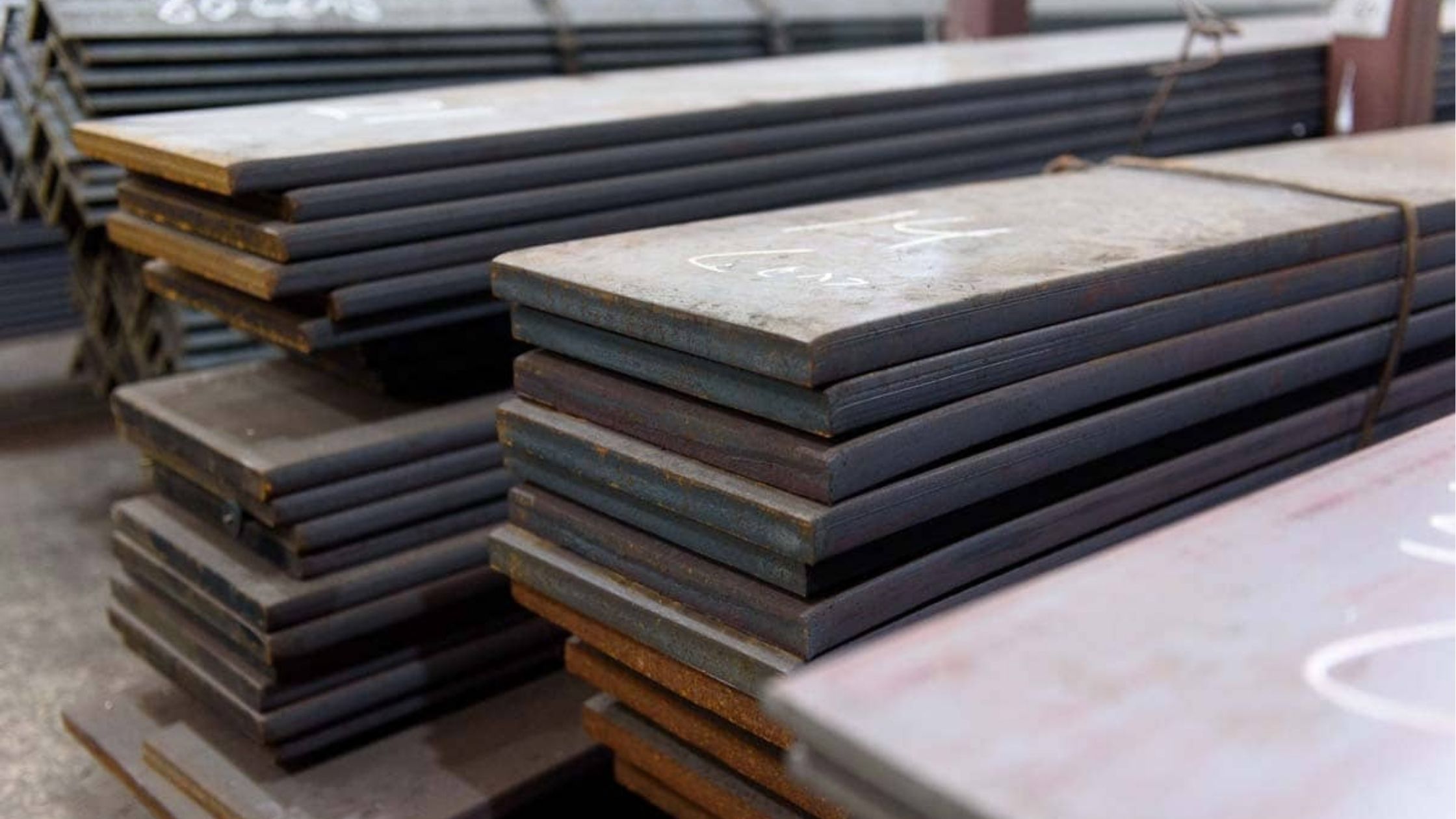
Example: Mild Steel Plate
- Scenario: Calculating the dead load of a floor plate.
- Dimensions: 2.5 meters x 1.5 meters
- Thickness: 20 mm (0.02 m)
- Material: Mild Carbon Steel (Density = 7,850 kg/m³)
Step 1: Calculate Volume
$$ Volume = Length \times Width \times Thickness $$
$$ Volume = 2.5 \times 1.5 \times 0.02 = 0.075\ m^3 $$
Step 2: Calculate Weight
$$ Weight = 0.075 \times 7,850 = 588.75\ kg $$
Tip: A handy shortcut for steel plates is: Weight (kg/m²) = Thickness (mm) × 7.85.
- $20 \times 7.85 = 157\ kg/m^2$
- $157 \times (2.5 \times 1.5)\ area = 588.75\ kg$
Example: Carbon Steel Pipe
- Scenario: Determining the dry weight of a process piping line.
- Pipe Size: 6-inch Sch 40
- Outer Diameter (OD): 168.3 mm (0.1683 m)
- Wall Thickness (WT): 7.11 mm (0.00711 m)
- Length: 12 meters
- Material: ASTM A106 Gr B (Density = 7,850 kg/m³)
Step 1: Calculate Cross-Sectional Area of Annulus (Ring)
$$ Area = \pi \times (OD - WT) \times WT $$
(This is a simplified engineering formula accurate for thin-walled pipes)
$$ Area = 3.14159 \times (0.1683 - 0.00711) \times 0.00711 $$
$$ Area = 3.14159 \times 0.16119 \times 0.00711 \approx 0.00360\ m^2 $$
Step 2: Calculate Weight per Meter
$$ Weight/m = Area \times Density $$
$$ Weight/m = 0.00360 \times 7,850 = 28.26\ kg/m $$
Step 3: Total Weight
$$ 28.26 \times 12 = 339.12\ kg $$
(Note: Standard chart tables usually list 6" Sch 40 at approx. 28.26 kg/m, confirming our calculation.)
Practical Design & Procurement Tips
While formulas are exact, the real world involves tolerances. Here is how to apply density knowledge effectively in procurement and design.
1. Nominal vs. Actual Weight
Most commercial steel standards (ASTM, ASME, EN) allow for dimensional tolerances on thickness and diameter. A plate ordered as 10mm thick might actually be 9.8mm or 10.2mm. Consequently, the actual weight may differ slightly from the theoretical weight.
- Procurement Tip: Steel is often sold by theoretical weight, but sometimes by scale weight. Ensure your purchase order clarifies which weight determines the final price.
2. Logistics and Shipping Costs
Accurate density calculations prevent surprises in logistics.
- Underestimating weight can lead to overloaded trucks or containers, resulting in fines or refused shipments.
- Always use the higher end of the density range (e.g., 8.0 g/cm³ for stainless) when calculating shipping capacities to build in a safety margin.
3. Material Substitution
When replacing carbon steel with stainless steel or duplex for corrosion resistance:
- Remember that 316 Stainless is ~2% heavier than carbon steel.
- Titanium is ~45% lighter. If weight reduction is a project KPI, switching to a high-strength Titanium Alloy can significantly reduce structural loads, potentially offsetting the higher material cost.
Verify with Mill Test Certificates (MTCs)
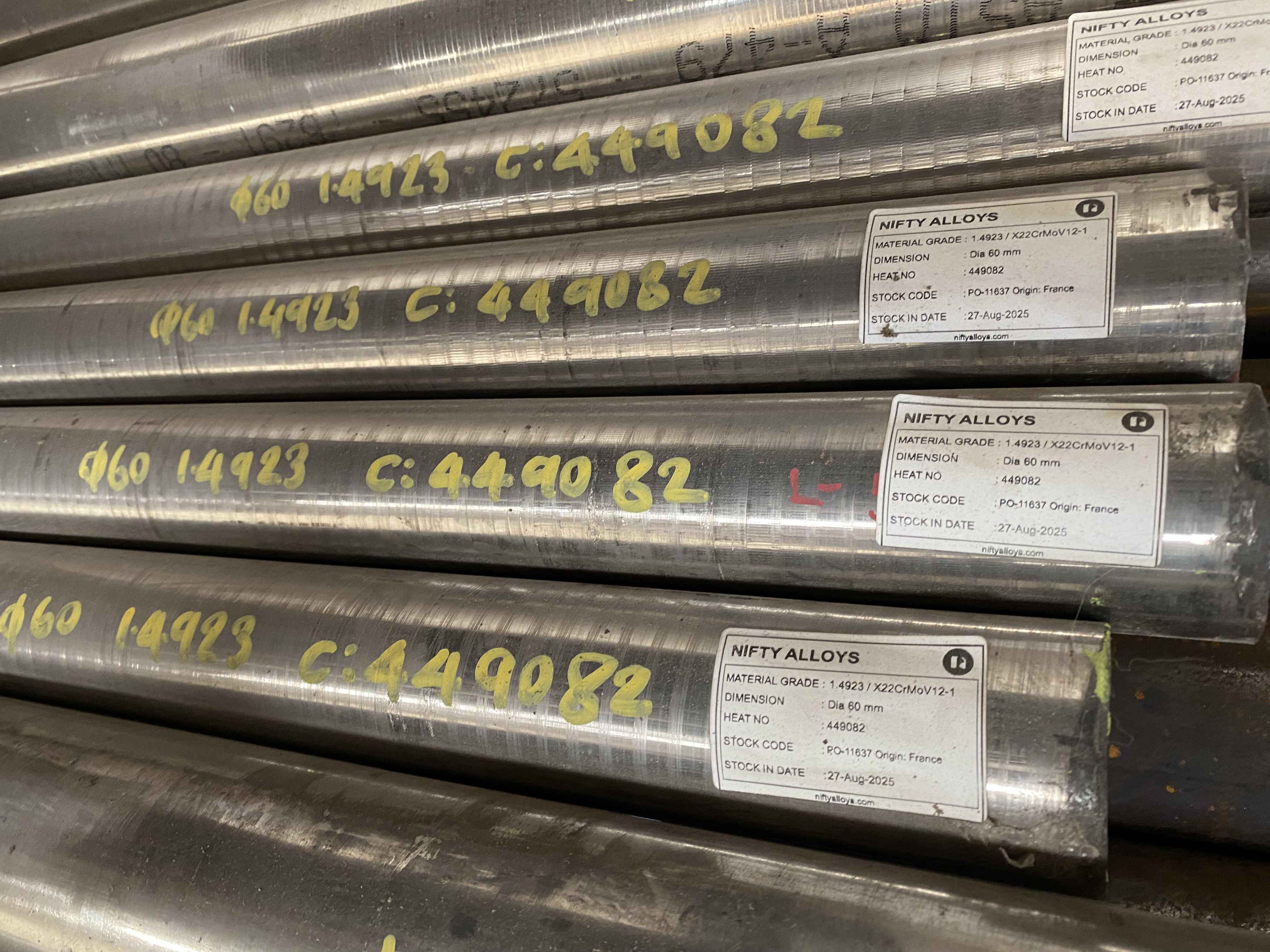
For critical aerospace or high-pressure applications, do not guess. Request the Mill Test Certificate from your supplier. The MTC provides the exact chemical composition, allowing for a precise density calculation if required. At Nifty Alloys, every product we supply is fully traceable and backed by certified MTCs.
FAQ Section
1. What is the density of carbon steel?
The standard density of carbon steel is 7.85 g/cm³ (7,850 kg/m³ or 0.284 lb/in³).
2. What is the density of mild steel in kg/m³?
Mild steel has a density of 7,850 kg/m³.
3. What is the density of stainless steel 304 and 316?
Both Stainless Steel 304 and 316 generally have a density of 8.00 g/cm³ (8,000 kg/m³), which is slightly higher than carbon steel due to the nickel content.
4. How do I calculate the density of metal?
To calculate density, divide the mass of the object by its volume ($\rho = m/v$). To find the weight of a metal part, multiply its volume by the material's density.
5. Does heat treatment affect density?
Heat treatment primarily alters the microstructure (e.g., martensite vs. austenite) and hardness. While there are minute changes in volume during phase transformations, for general engineering purposes, the density remains effectively constant.
6. Which metal has the lowest density?
Among common engineering metals, Magnesium (1.74 g/cm³) and Aluminium (2.70 g/cm³) have the lowest densities.
7. Which metal has the highest density?
Of the common industrial metals, Gold (19.3 g/cm³) and Tungsten (19.25 g/cm³) are extremely dense. In standard construction, Copper (8.96 g/cm³) is one of the heaviest.
8. What is the density of alloy steel 4140?
AISI 4140 alloy steel has a density of 7.85 g/cm³, similar to standard carbon steel.
9. Does density change in pipes vs solid bars?
No. Density is an intrinsic material property. A cubic centimeter of steel from a pipe wall weighs the same as a cubic centimeter from a solid bar. However, the weight per meter differs because pipes are hollow.
10. What is the density of copper-nickel marine alloys?
Copper-Nickel 90/10 has a density of approximately 8.90 g/cm³, making it significantly heavier than steel piping.
11. Why is density important in mechanical design?
Density dictates the strength-to-weight ratio. In automotive and aerospace design, selecting lower-density materials (like aluminium or titanium) improves fuel efficiency and performance.
12. Where can I buy certified steel with verified density?
For projects requiring strict adherence to material specifications, Nifty Alloys LLC supplies fully certified Carbon, Stainless, and Alloy steels. All our products come with Mill Test Certificates verifying chemical composition and physical properties.
Conclusion
Selecting the right material goes beyond just tensile strength and corrosion resistance; weight plays a pivotal role in the success of any engineering project. As shown in our comparison charts, the density of steel varies significantly across grades—from the lighter 400-series stainless to the standard carbon steel and the heavier copper alloys.
At Nifty Alloys LLC, we understand that precision is paramount. Whether you require lightweight Titanium, corrosion-resistant Duplex, or standard Carbon Steel for heavy fabrication, we provide materials that meet global standards (ASTM, ASME, DIN).
Every item we stock is backed by full traceability, Mill Test Certificates (MTCs), and compliance with international standards (ASTM, ASME, DIN).
Need certified materials for your next project?
Partner with a supplier that guarantees traceability and quality. Explore our full range of Stainless Steel, Carbon Steel, and Non-Ferrous Metals today, or contact our technical team for a custom quote.




Ras Al Khor Ind. Area-2, Dubai United Arab Emirtates
+971 565450916