Q1: What is the main difference between low and high carbon steel?
The main difference is the carbon percentage. Low carbon steel (under 0.25%) is soft, ductile, and easy to weld. High carbon steel (over 0.60%) is extremely hard, brittle, and difficult to weld but offers superior wear resistance.
Q2: Which carbon steel is best for welding?
Low carbon (mild) steel is best for welding. Its low carbon content prevents the formation of brittle microstructures (martensite) during the rapid cooling of the weld pool.
Q3: Can medium carbon steel be heat treated?
Yes. Medium carbon steel responds very well to heat treatment. Processes like quenching and tempering are commonly used to increase its yield strength and hardness for automotive components.
Q4: Does high carbon steel rust?
Yes. All plain carbon steels will rust if exposed to moisture and oxygen because they lack the chromium content found in stainless steel. Protective coatings or oiling are necessary for storage and use.
Q5: What is "mild steel" vs "high carbon steel" in terms of machining?
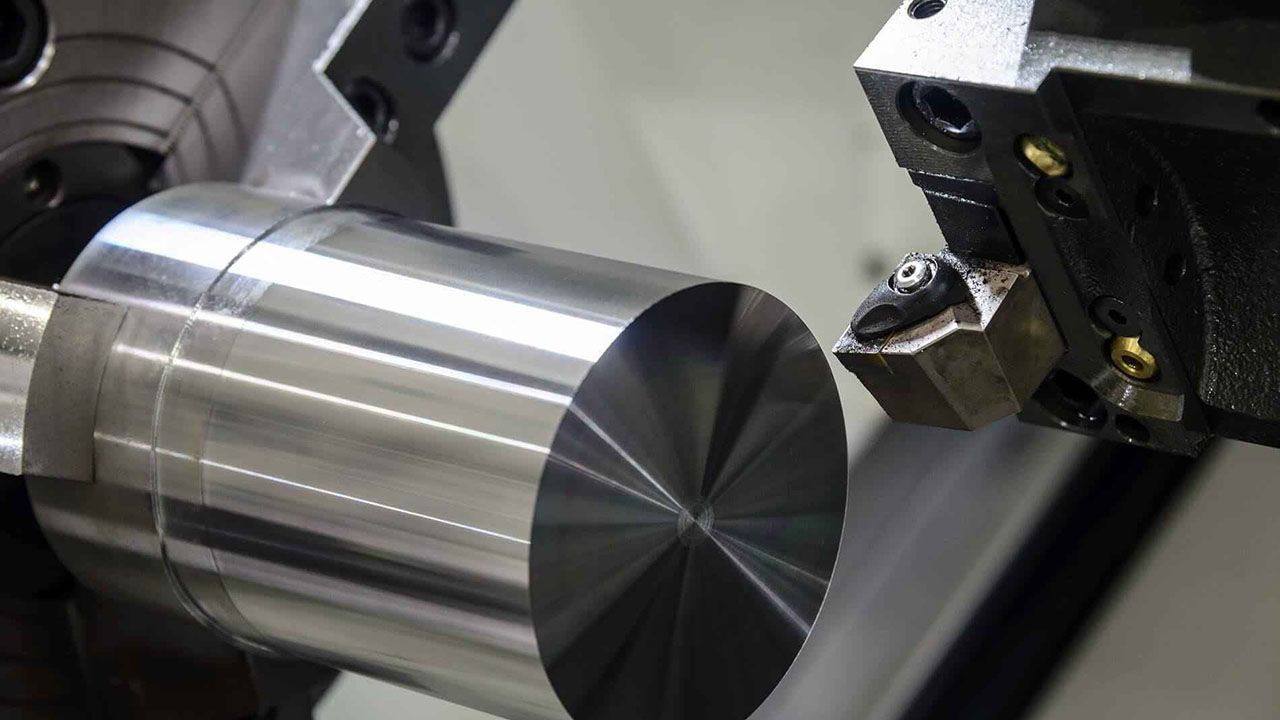
Mild steel creates long, continuous chips and is generally easy to machine but can be "gummy." High carbon steel is harder to cut and causes more tool wear, requiring robust tooling and lower cutting speeds.
Q6: Why use low carbon steel if it isn't very strong?
It is cheap, widely available, and sufficiently strong for static structures (buildings, bridges) where ductility is more important than extreme hardness. It prevents sudden, brittle failure.
11. Why Choose Nifty Alloys?
At Nifty Alloys LLC, we understand that precision, performance, and reliability are critical to your operations. When you are sourcing carbon steel for industrial applications, the integrity of the material determines the safety and success of your project.
We specialize in sourcing, stocking, and supplying high-quality alloys to meet the diverse needs of industries across the UAE, the Middle East, and beyond.