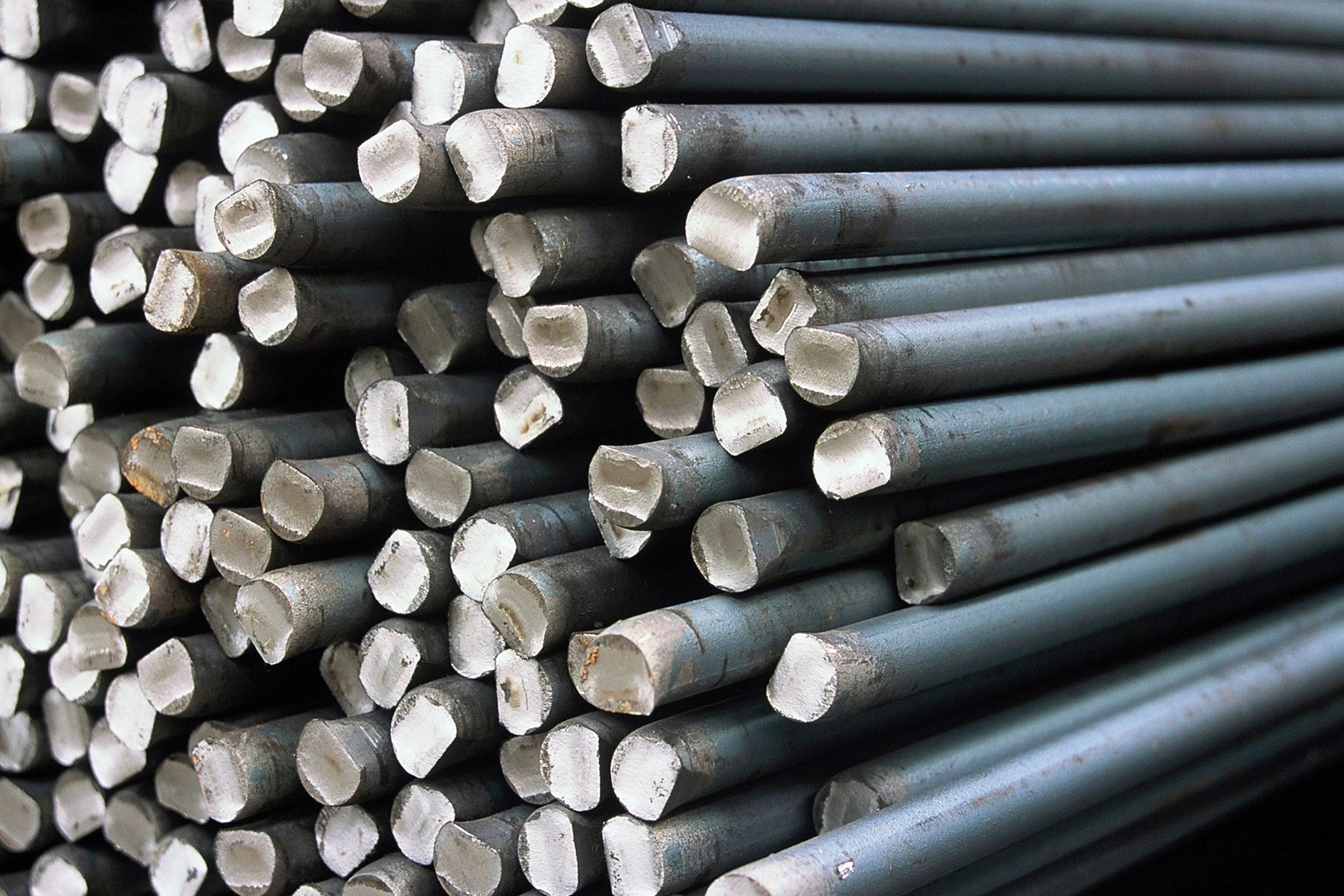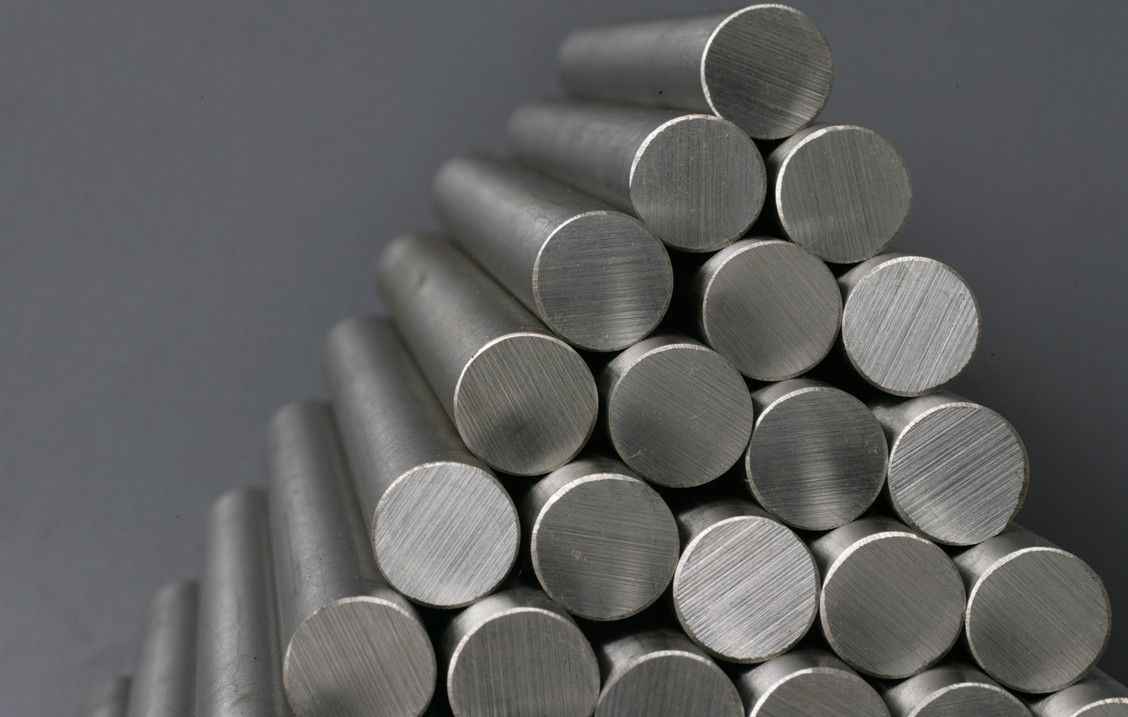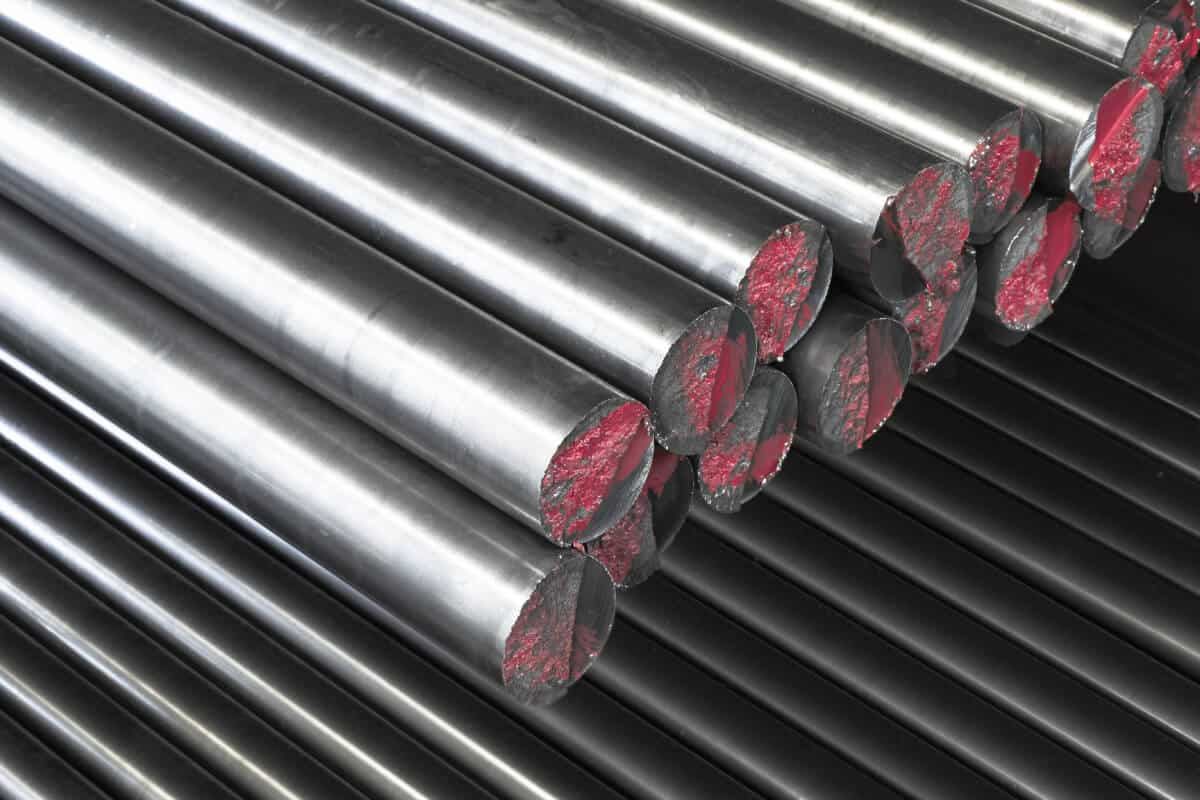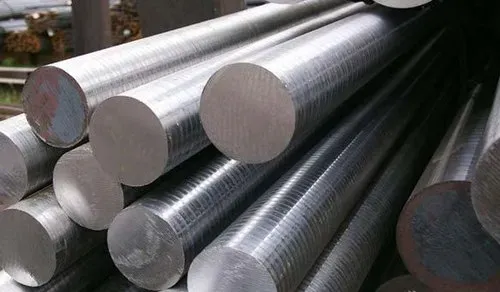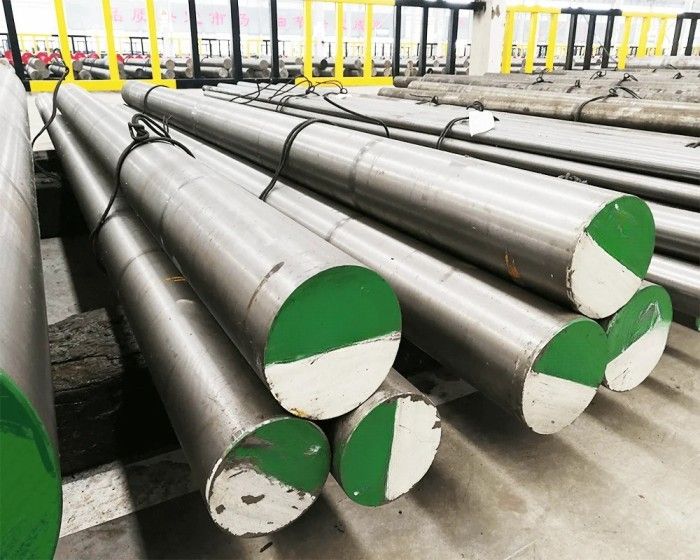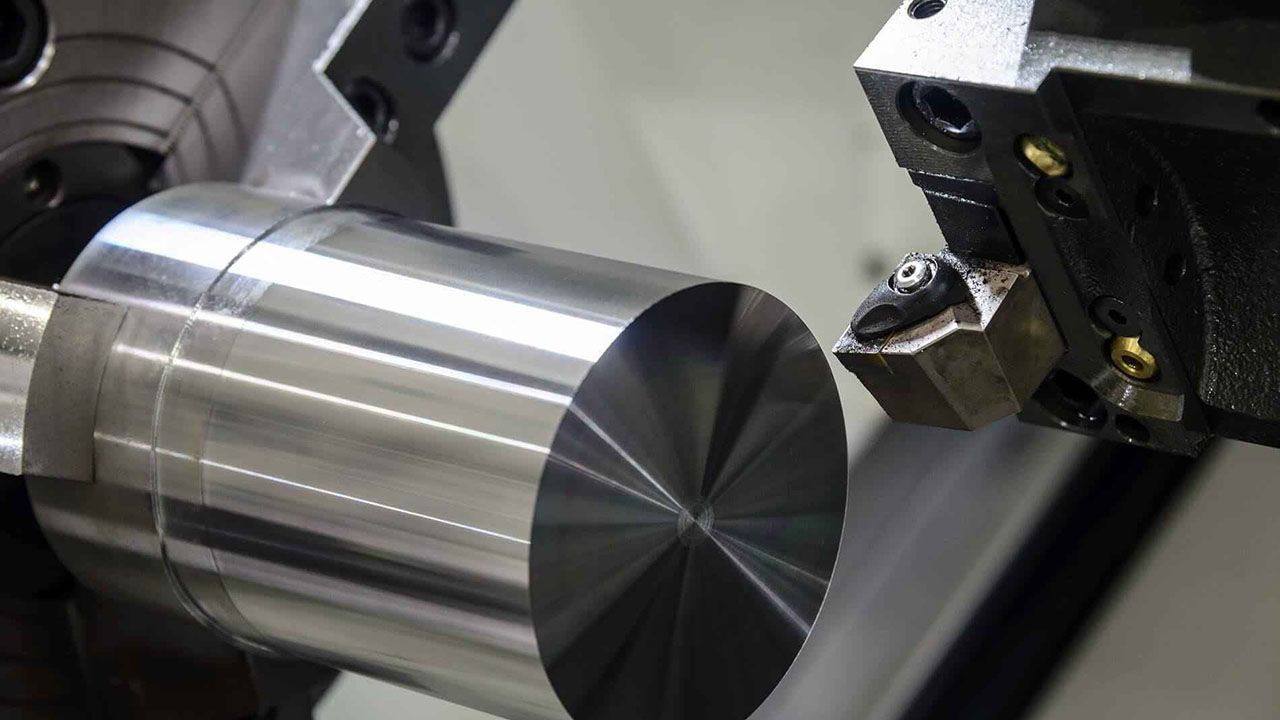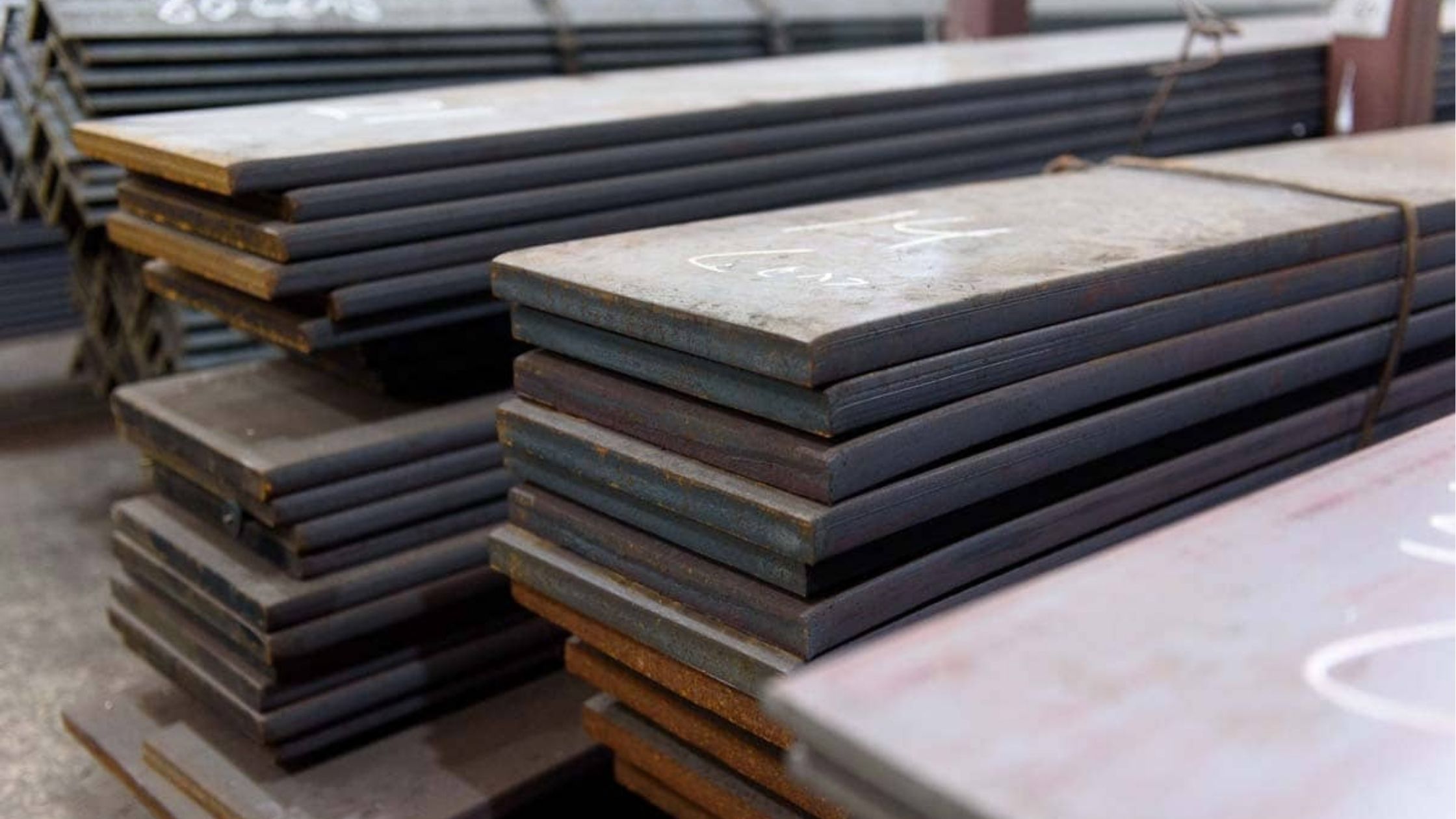
Spring steel is a category of low-alloy, medium-to-high carbon steels that possess a very high yield strength. This allows the material to return to its original form after significant bending or twisting. The unique spring steel composition is what differentiates it from standard carbon steels. Specific alloying elements are added to enhance its mechanical properties.
The primary elements in spring steel material include carbon, silicon, and manganese. Each contributes to its final performance characteristics.
- Carbon (C): As the principal hardening element, carbon content (typically 0.5% to 1.0%) provides the necessary strength and hardness.
- Silicon (Si): Often added in concentrations up to 2%, silicon increases the steel's elastic limit and resistance to tempering.
- Manganese (Mn): Manganese improves hardenability and tensile strength, allowing for more consistent properties after heat treatment.
- Chromium (Cr) & Vanadium (V): These elements are added to certain grades to improve fatigue resistance, toughness, and hardenability, making the steel suitable for highly dynamic applications.
Below is a table illustrating a typical spring steel composition.
| Element | Percentage (%) | Contribution to Properties |
| Carbon (C) | 0.50% - 1.00% | Primary source of hardness and strength. |
| Silicon (Si) | 0.15% - 2.00% | Increases yield strength and elasticity. |
| Manganese (Mn) | 0.50% - 1.00% | Improves hardenability and wear resistance. |
| Chromium (Cr) | 0.30% - 1.20% | Enhances corrosion resistance, hardness, and toughness. |
| Vanadium (V) | 0.10% - 0.30% | Refines grain structure, increasing fatigue strength. |
Compared to regular carbon steel, the addition of these alloying elements gives spring steel a superior ability to withstand repeated stress cycles without failure.